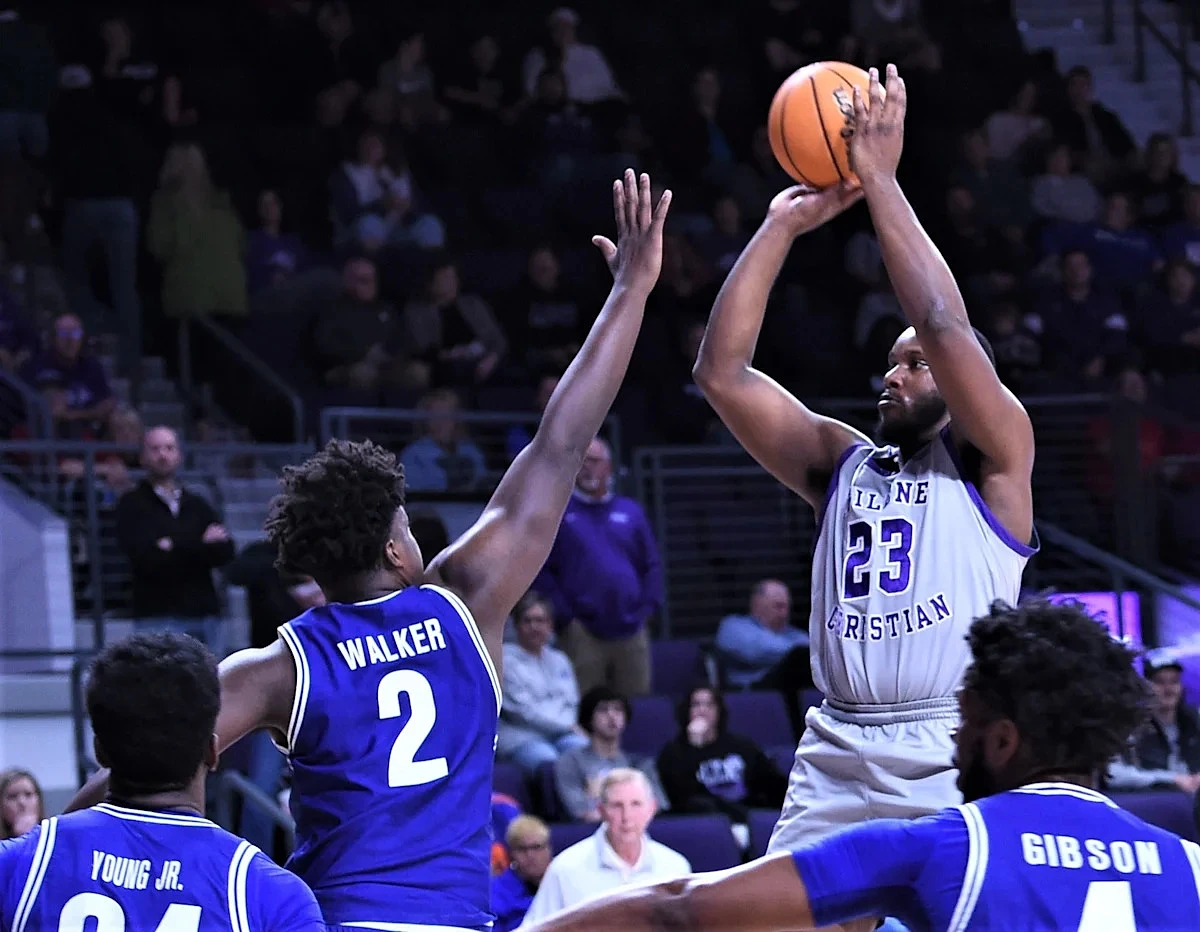
In a stunning turn of events that has sent shockwaves through the college basketball world, a former Abilene Christian University standout has been handed a permanent ban by the NCAA for his role in an alleged game-rigging scheme tied to sports betting.
Airion Simmons, who played forward for the Wildcats from 2019 to 2024, received the lifetime ban on Friday after investigators determined he knowingly provided inside information to bettors and agreed to manipulate his performance during a game—all in exchange for financial gain.
The incident in question occurred on March 20, 2024, during Abilene Christian's regular-season finale against Tarleton State. According to the NCAA's resolution, Simmons violated "the principles of NCAA honesty and sportsmanship" by conspiring with individuals involved in sports wagering activities.
The investigation was triggered when a former Abilene Christian student—who had since transferred to another Division II school—reported that Simmons and another teammate had pressured him to participate in a scheme to intentionally lose a game for money. During a December 2025 interview with NCAA investigators, Simmons admitted that a second bettor had also approached him about throwing the game.
Simmons was allegedly offered $3,500 by one bettor to "play bad" in the game, despite dealing with a hand injury at the time. The first bettor reportedly called Simmons while he was with the transfer student and another teammate, instructing all three players to lose the game so the bettors could cash in.
The fallout extends beyond the NCAA's ruling. In January, federal prosecutors in Pennsylvania indicted Simmons and two bettors on charges including bribery, fraud, and conspiracy—marking a serious escalation in what began as a college basketball scandal.
For Wildcats fans and the broader college basketball community, this case serves as a sobering reminder of the dangers lurking at the intersection of sports and gambling. As the legal landscape around sports betting continues to evolve, stories like this underscore the importance of maintaining the integrity of the game—both on and off the court.