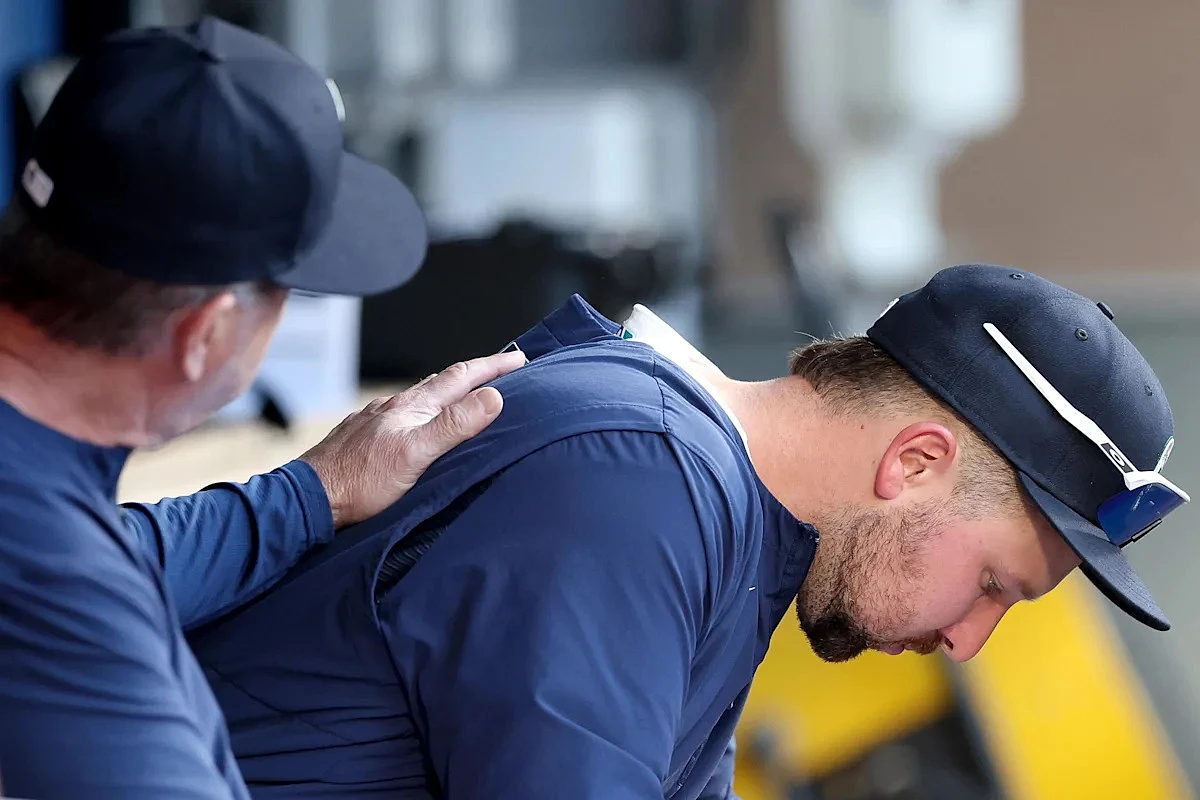
For Seattle Mariners fans, seeing Cal Raleigh on the injured list feels like spotting a unicorn—rare, surprising, and a little unsettling. The team's iron man catcher, known for his remarkable durability behind the plate, has been forced to take an unexpected step back. And while the timing is far from ideal, this pause might offer something just as valuable as playing time: perspective.
In the Mariners' clubhouse, there's a popular team-issued t-shirt that reads "(AVAIL)ABILITY," with "ABILITY" highlighted in white. It's a clever nod to the old saying "the best ability is availability," designed to remind players of the importance of conditioning and showing up every day. For Raleigh, that shirt has been more than just a slogan—it's been a way of life. Year after year, he's led or ranked near the top of the league in innings caught, shrugging off bumps and bruises that would sideline most players for a week. Watching him play is like watching someone get knocked down seven times and stand up eight, often in the same game.
But even the toughest athletes have their limits. "To be honest, I wanted to play," Raleigh admitted when meeting with the media on Friday. "I wanted to see if I could do it—to what extent it was going to affect me. I told the trainers, if it ever got to a point where I was hurting the team or I couldn't go anymore, I'd let them know. And essentially it just got to that point where I didn't want to hurt the team."
For those who question why players push through pain, consider this: Raleigh is an everyday catcher, accustomed to a constant hum of discomfort that would send the average person to a Victorian-era convalescent asylum. Pain is his constant companion, like an overhead fluorescent light that never turns off. So it's easy to understand why he thought he could push past this latest ailment, just one more in a long line of challenges he's faced and conquered.
Now, the real challenge begins. The question isn't just when Raleigh will return to the lineup, but whether he can forgive himself for stepping away—or at least find some peace with the unpredictable nature of baseball injuries. "It's tough," he said. "You get frustrated, because you know…it's nothing really I could have controlled."
For a player whose identity is built on being available, learning to step back might be the hardest lesson of all. But sometimes, the best ability isn't just availability—it's knowing when to rest, recover, and come back stronger.