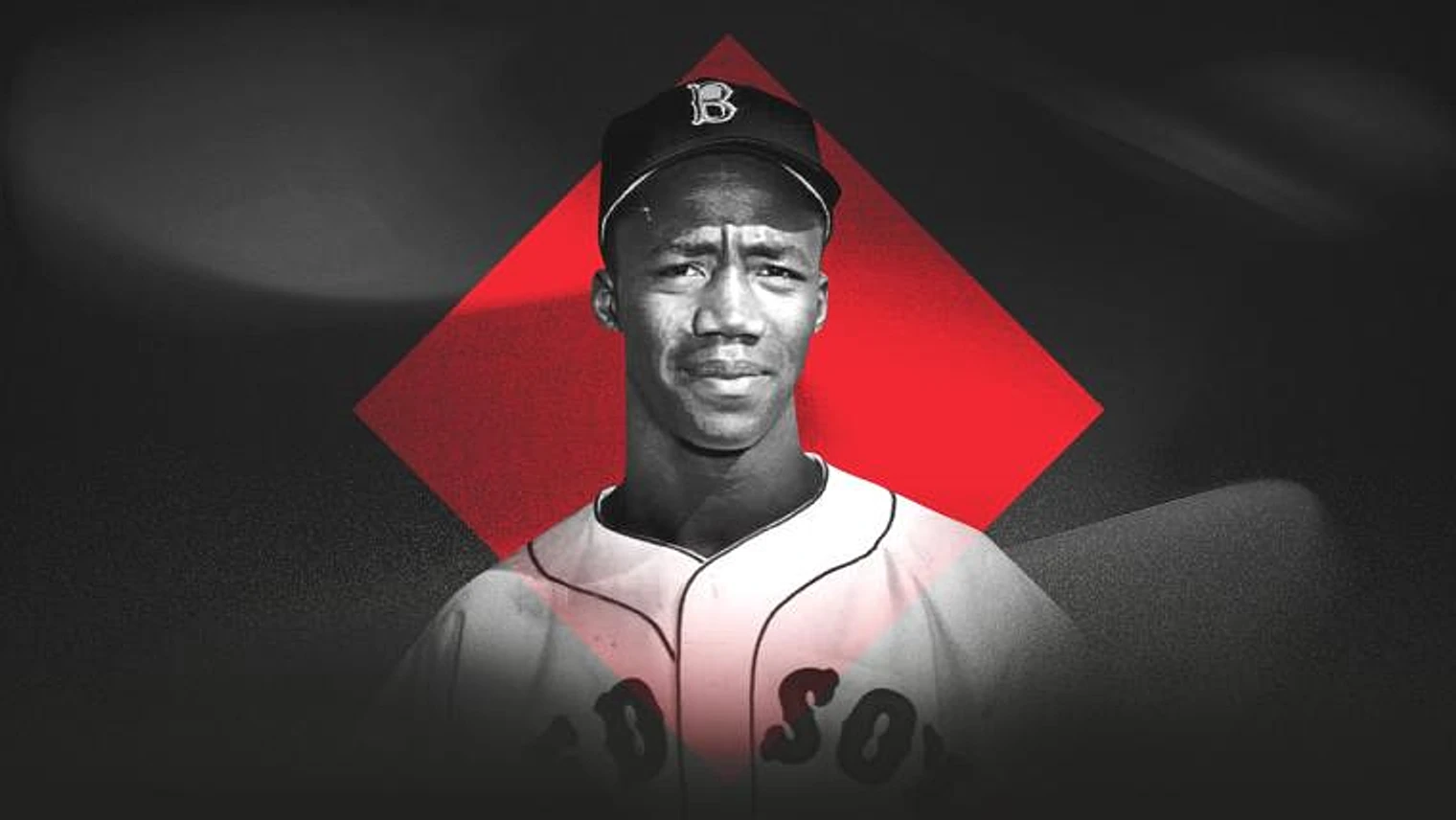
Every April 15th, Major League Baseball pauses to honor Jackie Robinson, whose 1947 debut with the Brooklyn Dodgers shattered the sport's color barrier. While Robinson's courage changed the game forever, integration was a painfully slow process, and nowhere was that resistance more entrenched than in Boston. For over a decade after Robinson's historic moment, the Red Sox remained the final all-white team in Major League Baseball.
That shameful chapter finally closed on July 21, 1959, when Elijah Jerry "Pumpsie" Green stepped onto the field as a pinch-runner against the Chicago White Sox. His debut marked the end of the Red Sox's status as the last holdout, making Green's journey to Fenway Park a pivotal, if long-delayed, moment in baseball history.
A switch-hitting infielder, Green worked his way through the minors facing immense pressure and prejudice. His path was obstructed by the franchise's notorious resistance to integration under owner Tom Yawkey, who had previously passed on signing legends like Robinson and Willie Mays. Green's own spring training in 1959 was marred by segregation policies in Scottsdale, Arizona, which forced him to stay in separate housing from his teammates.
Despite these barriers, Green carried the weight of being "the last first" with remarkable grace. Over a five-year MLB career, primarily with Boston, he served as a versatile utility infielder. While his .246 career batting average won't dominate the record books, his true legacy is one of resilience and quiet dignity, breaking a barrier that had stood for far too long.
Today, as the Red Sox honor Jackie Robinson's universal legacy each season, the franchise also reflects on the courageous path of Pumpsie Green. His story is a crucial reminder of both the progress made and the perseverance required to achieve it, forever linking his name to a transformative moment in Boston sports history.