FIFA has announced it will reassess its ticketing strategy for the 2030 World Cup, following widespread backlash over soaring prices for the 2026 tournament set to be hosted across Canada, Mexico, and the United States.
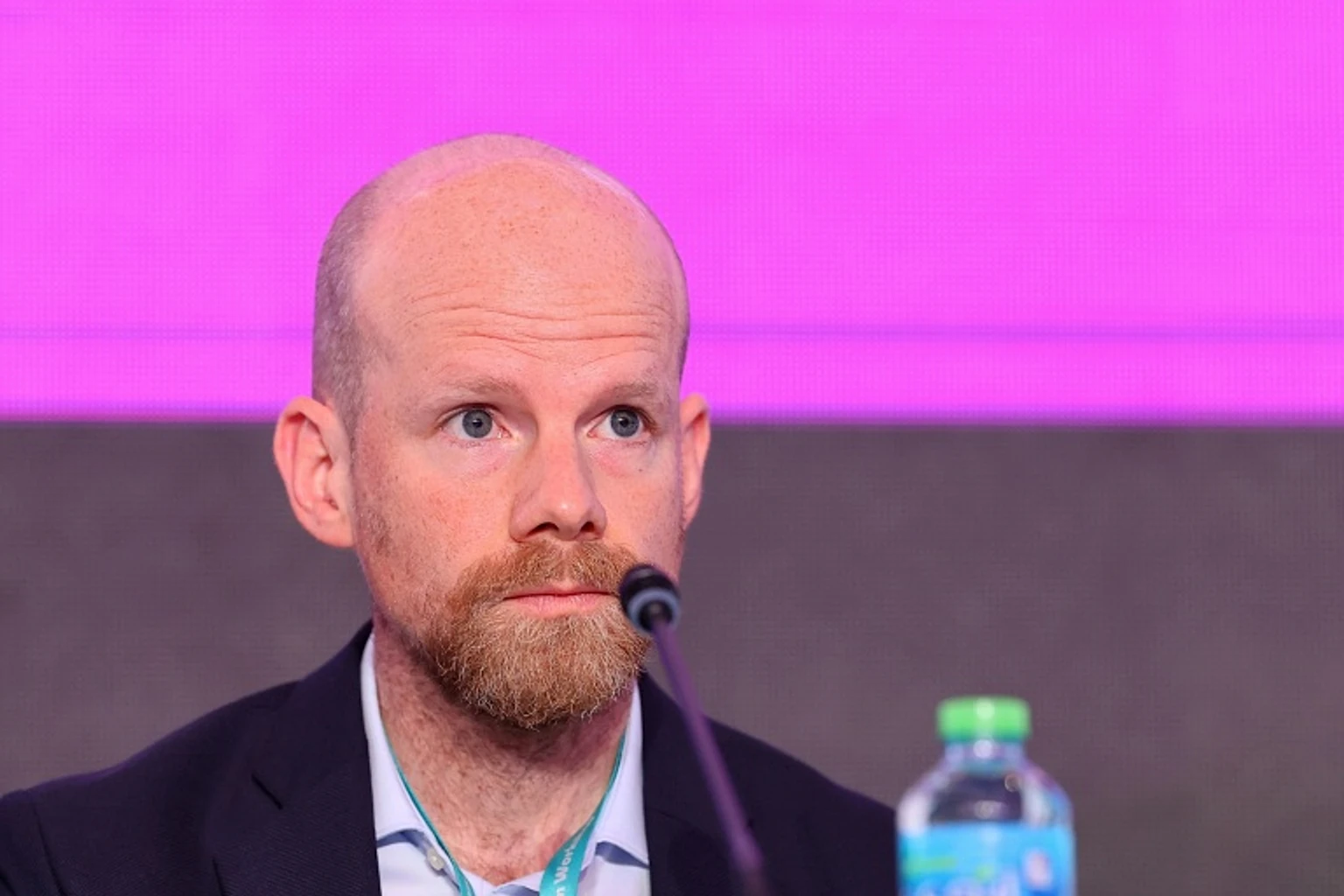
Speaking at the FIFA Congress in Vancouver, Secretary-General Mattias Grafstrom acknowledged the criticism but defended the current pricing structure as a reflection of "the reality of the market in North America." He emphasized that FIFA listens to fan feedback and will adjust its approach for the next World Cup, stating, "We will review and see how we do it for the next one."
The controversy comes as ticket prices for the 2026 finals have skyrocketed, drawing sharp criticism from fan organizations like Football Supporters Europe (FSE), which labeled the pricing as "extortionate" and a "monumental betrayal" of supporters. FSE has even filed a lawsuit with the European Commission to challenge what it calls excessive pricing.
FIFA President Gianni Infantino has defended the costs, attributing them to "dynamic pricing," a system common in the U.S. where prices fluctuate based on demand. This has led to jaw-dropping figures on resale platforms, with reports of four tickets for the July 19 final at MetLife Stadium listed at an astonishing $2 million each. Other resale sites commonly show final tickets priced in the tens of thousands of dollars.
When asked if the anger over ticket prices could tarnish the legacy of the 2026 World Cup, Grafstrom pointed to the tournament's projected $13 billion in revenue, which he said will be reinvested into football globally. "The legacy is also what we'll be able to do with the money it generates," he explained, adding that the financial success will fuel grassroots development and infrastructure projects worldwide.
As FIFA looks ahead to the 2030 World Cup, which will span six nations across three continents, fans and advocacy groups will be watching closely to see if the organization delivers a more accessible and fair ticketing model. For now, the debate over balancing profitability and fan affordability continues to dominate the conversation in the world of football.