The beautiful game is becoming a pricey one. As the 2026 FIFA World Cup approaches, fans are facing a new reality: dynamic ticket pricing. For the first time, ticket costs will fluctuate in real-time based on demand—think airline fares, not fixed stadium seats. This shift marks a major change for the world's biggest soccer tournament, and it's already sparking debate.
Gone are the days of a set price for a seat. Now, fans might find themselves refreshing their phones, waiting for a price dip to snag entry to a coveted match. FIFA sees this as a smart reform, aiming to boost revenues and keep the sport's global engine running. Reports suggest the governing body could pocket nearly $3 billion from ticket sales alone, with about 30% from each sale going directly to FIFA.
There's a logic to it: dynamic pricing could help shut down scalpers and touts who profit from a secondary market. But critics argue it simply opens the door for bots and speculators to take their place. The bigger concern, though, is affordability. As ticket prices for big games climb, the World Cup risks becoming a two-tier event—one for deep-pocketed fans and another for those priced out.
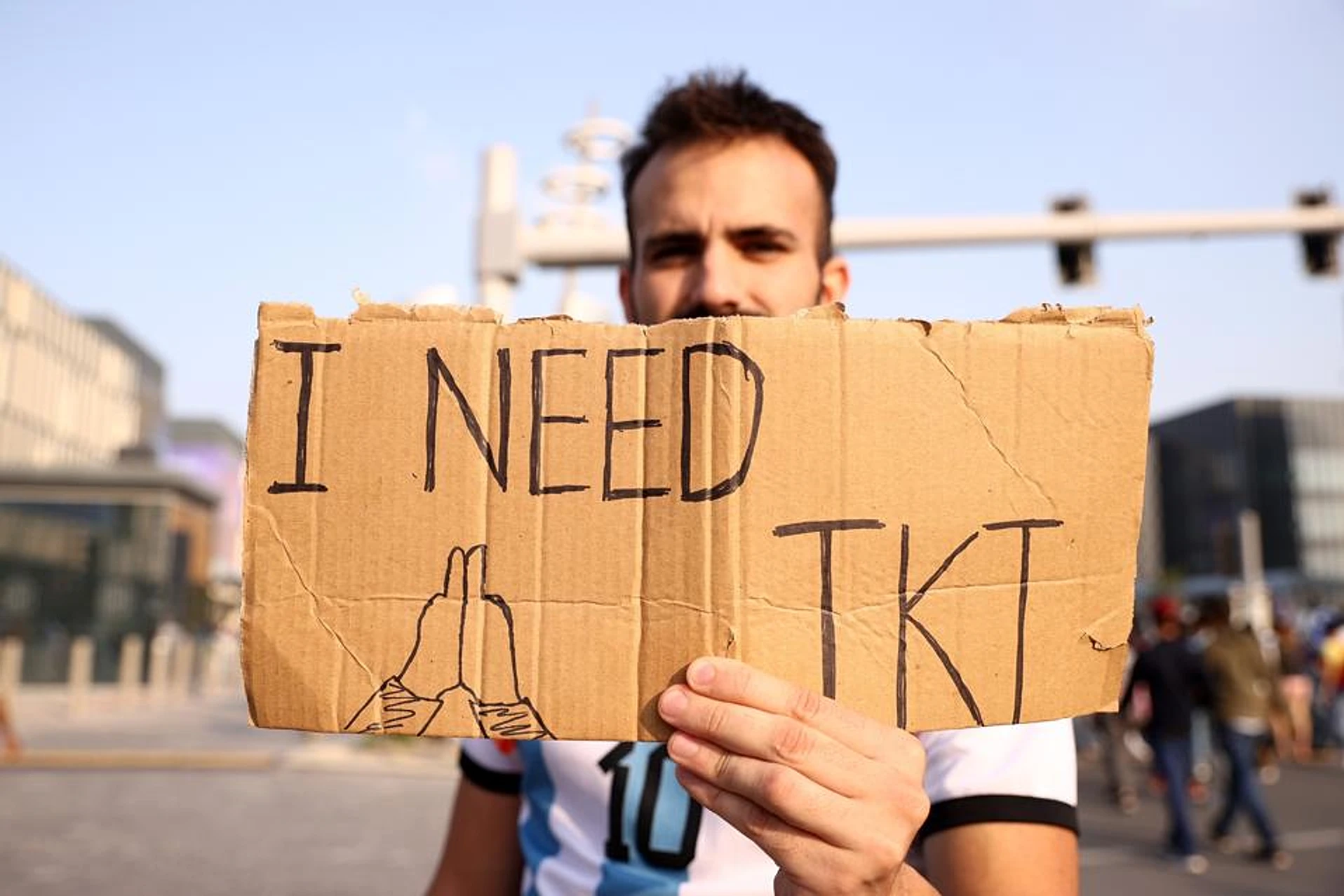
For a tournament that prides itself on uniting the world through sport, this shift raises questions about who gets to be part of the action. At the 2022 final in Qatar, we saw fans holding signs outside the stadium, hoping for a last-minute ticket. In 2026, that scene might become even more common. Whether you're a die-hard supporter or a casual viewer, the changing economics of the game are something to watch—and prepare for.