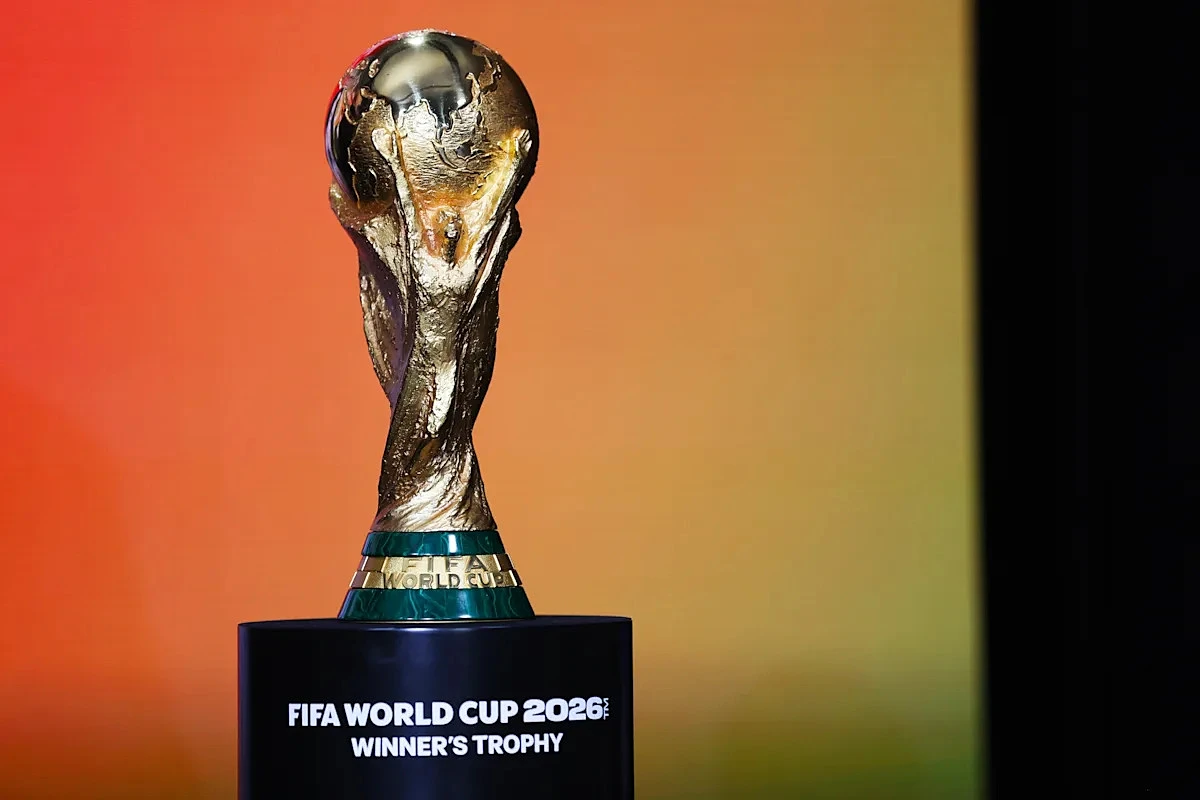
FIFA has finally secured a World Cup broadcast rights deal in China, and it came down to the wire—just 27 days before the opening match. The agreement, announced on Friday, sees China Media Group (CMG) lock in coverage for the next four World Cups (two men's and two women's) through 2031. This includes the massive 48-team, 104-game men's tournament kicking off in North America on June 11, even though China didn't qualify this time around.
Here's the kicker: the reported price tag is a fraction of what FIFA initially wanted. Chinese state media valued the 2026 rights at just $60 million, while FIFA had reportedly been aiming for $300 million. It's a classic case of leverage—or the lack thereof. With a 15-hour time difference between Beijing and the 16 host cities across the U.S., Canada, and Mexico, FIFA's bargaining power took a hit. Still, FIFA Secretary General Mattias Grafström expressed relief, calling the deal "a real pleasure" after spending the week in China for talks with local soccer officials.
This isn't a complete loss for FIFA, though. Chinese companies have already poured big money into the 2026 World Cup, which is projected to earn FIFA over $11 billion. Tech giant Lenovo is a top-tier sponsor, while dairy firm Mengniu and electronics maker Hisense have signed on as second-tier partners. The landscape has shifted, though—Wanda Group, a Chinese conglomerate that inked a long-term deal with FIFA back in 2016, saw its partnership terminated two years ago.
Looking ahead, the 2030 World Cup will be a global affair, hosted mostly in Spain, Portugal, and Morocco, with special centenary matches in Argentina, Paraguay, and Uruguay. For now, the China deal ensures that fans there can still catch all the action, even if their national team isn't on the pitch. It's a reminder that in the world of sports broadcasting, timing and market realities can sometimes rewrite the playbook.