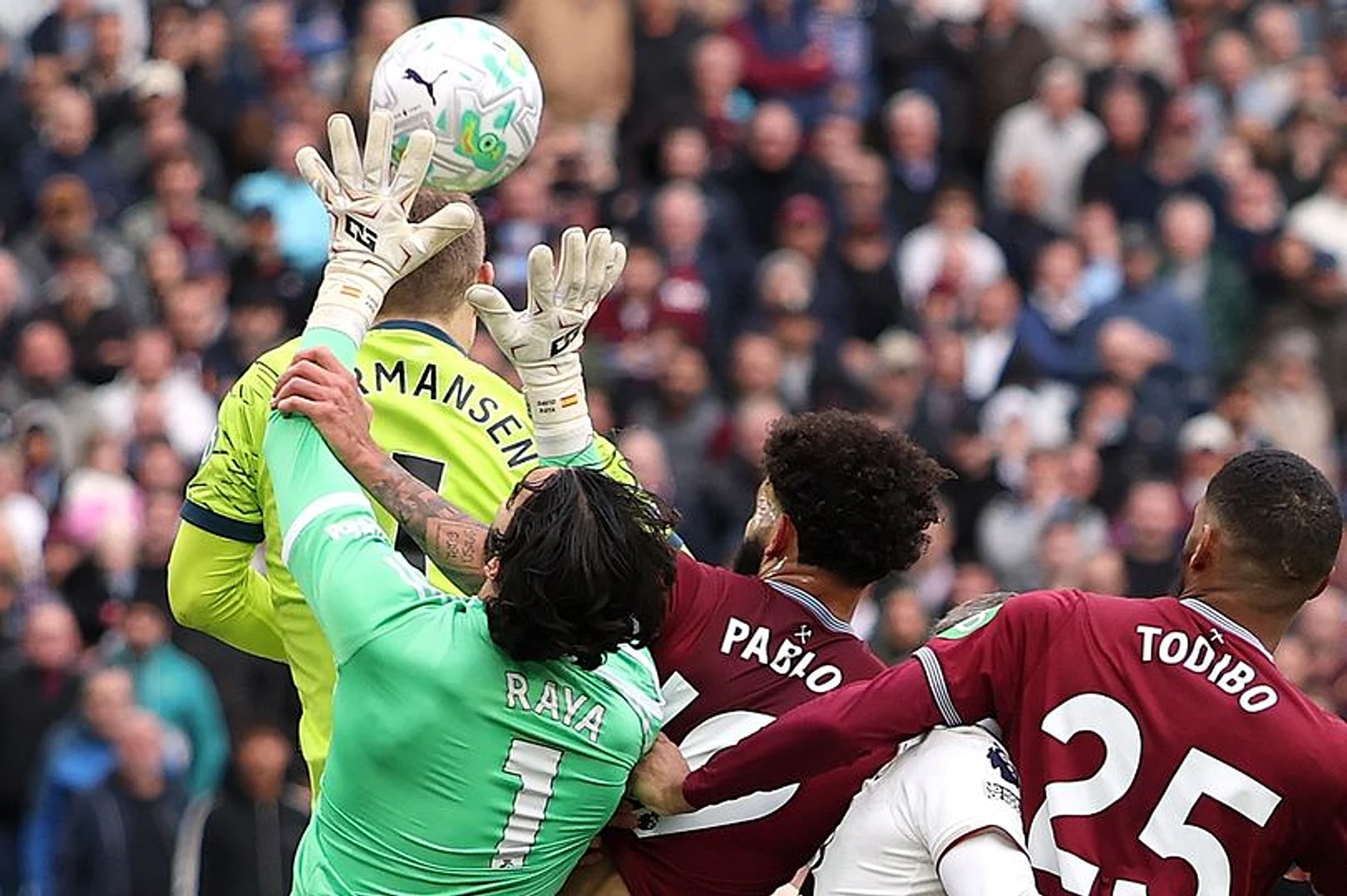
FIFA is making a bold move to clean up the chaos in the penalty box, with new rules aimed at stopping the ugly grappling and pushing that has become all too common at set-pieces. As the World Cup approaches, the governing body is determined to ensure that corner kicks and free kicks don't turn into wrestling matches—a problem that has plagued the Premier League this season.
Under consideration is giving referees greater authority to penalize fouls before the ball is even kicked. That's right: FIFA is exploring ways to award fouls before corners are taken, targeting blocking, holding, and blatant shoving that often goes unpunished. While the tournament is just a month away, the finer details are still being ironed out. But one thing is clear: referees will be instructed to be extra vigilant and strict, with new directives already communicated to managers.
A prime example of the issue? England's friendly against Uruguay in March. Ben White scored at Wembley, but there were claims that Adam Wharton blocked José María Giménez in the build-up. Emma Hayes, now head coach of the U.S. Women's National Team, was analyzing the match for ITV and didn't hold back: "I think nine times out of ten, blocking off someone like that is a foul, and I'm surprised it wasn't given." FIFA is taking note and plans to scrutinize such incidents closely.
The move comes amid growing frustration with set-piece controversies, including a recent VAR drama involving West Ham United's late goal being ruled out against Arsenal. FIFA wants to avoid similar scenes at the World Cup, and the message is clear: the penalty box will be policed more strictly than ever.
How exactly referees will intervene before the whistle blows remains to be seen, but the discussion is heating up. A tournament-specific directive could be issued, with match officials receiving their instructions when they arrive at their Miami World Cup base next month. As for Premier League referees like Michael Oliver, they'll be watching closely—because if FIFA leads the way, the ripple effects could change how set-pieces are defended for years to come.