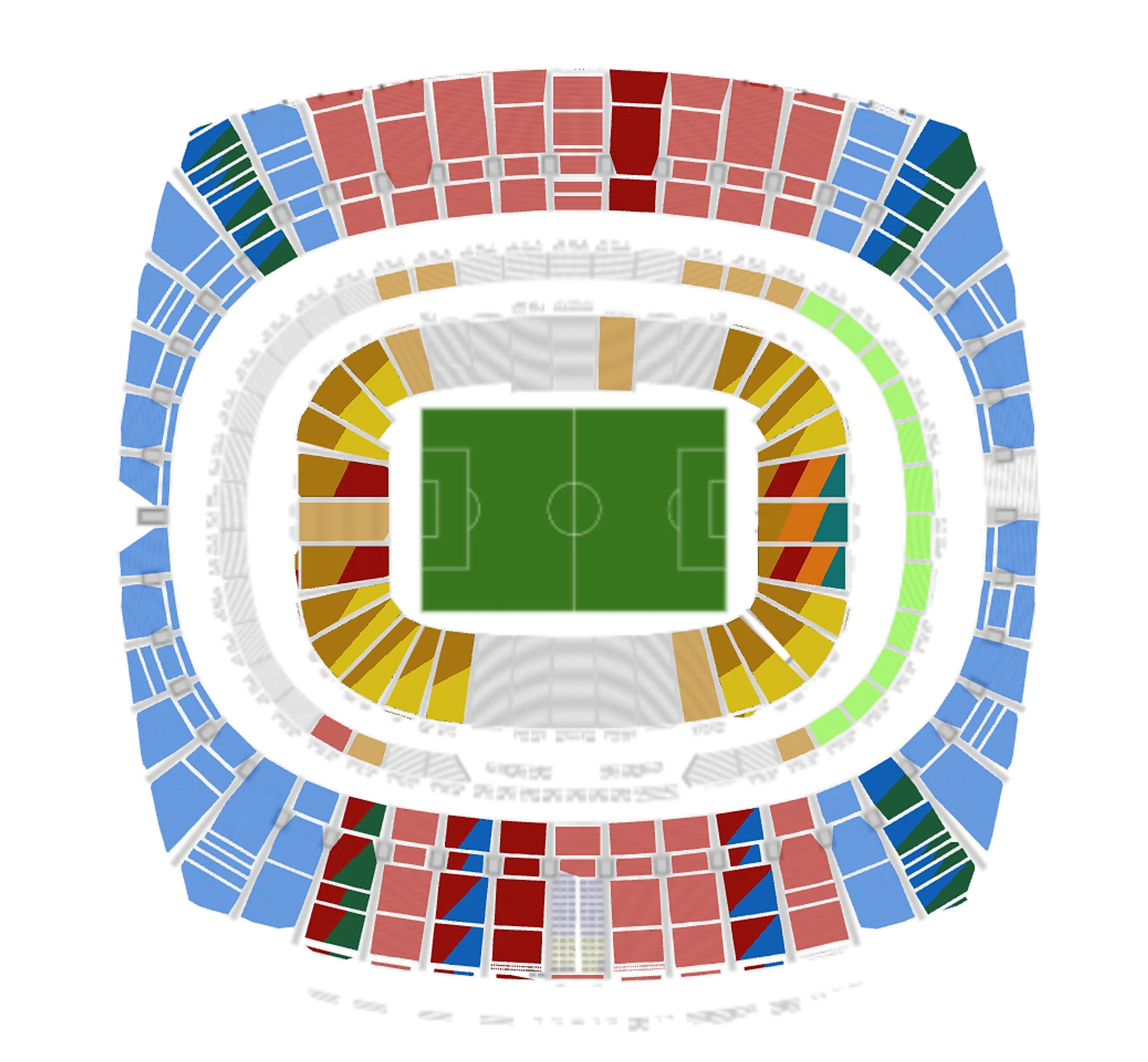
With just over a month until the 2026 World Cup kicks off across the United States, Mexico, and Canada, FIFA finds itself in a curious position. The organization has repeatedly claimed that demand for tickets is astronomical—boasting a staggering 508 million requests for just 7 million available seats. Yet, as fans queue up for the latest "last-minute" ticket release, many are discovering that seats are far more available than advertised.
On Thursday, FIFA launched its third ticket drop since April 1, offering tickets on a first-come, first-serve basis. After spending over three and a half hours in the digital queue, one journalist found that supplies were plentiful—and lasting far longer than FIFA might want to admit. This includes matches featuring some of the world's most popular teams and players.
The disconnect between FIFA's messaging and reality isn't new. Back in February, FIFA President Gianni Infantino confidently declared at a business conference that "every match is already sold out," adding that only a small number of tickets were being held back for last-minute sales. FIFA later walked back that statement, telling The Athletic that Infantino had misspoken and that the organization actually "expects" to sell out every game—a subtle but significant shift in tone.
Now, with the tournament just weeks away, the question is hard to ignore: Has FIFA been overselling ticket interest all along? The numbers tell an interesting story. On April 29, all but seven of the 72 group stage matches were listed as having "limited availability." Fast forward just eight days, and 57 matches were showing as normal availability, with only 15 still marked as limited. That's a dramatic reversal for a tournament that was supposedly on the verge of selling out.
Want to see Lionel Messi and defending champion Argentina take the field? Nearly every section of Kansas City's Arrowhead Stadium still has tickets available for their June 16 opener against Algeria, with entry-level prices starting at $770. England, a nation known for sending massive traveling support in pursuit of their first World Cup since 1966, faces a similar situation. Their opening match against Croatia at Dallas' AT&T Stadium on June 17 has plenty of upper-bowl seats still up for grabs, with a get-in price of $920.
For fans who have been hesitant to commit, this could be welcome news. The narrative of impossible-to-get tickets may have been part of the hype, but the reality suggests that with a little patience—and a willingness to pay premium prices—there are still plenty of opportunities to catch the world's biggest sporting event live. Whether this reflects genuine supply catching up with demand, or simply a pricing strategy that has cooled interest, one thing is clear: The World Cup ticket market isn't quite as red-hot as FIFA would have us believe.