In a move that has the Formula 1 world buzzing, FIA President Mohammed Ben Sulayem has confirmed that the iconic V8 engine roar is set to return to F1 cars by 2030. Speaking candidly in a recent interview, Ben Sulayem shared exciting new details about what fans can expect from this major power unit overhaul—and why it's a game-changer for the sport.
After first hinting at the shift during the Miami Grand Prix, where he confirmed plans to phase out the current V6 hybrid engines, Ben Sulayem is now diving deeper into the reasoning behind the switch. The current power units, which split energy equally between electric and internal combustion, have become incredibly complex and costly. For newer teams, developing their own power units is a steep challenge, forcing them to rely on established engine suppliers like Mercedes, Ferrari, and Honda.
"We now have this engine, which is a 1.6-liter, and it did what it had to do, in a way," Ben Sulayem explained. "But it's the 14th year and we still have it. For the sustainability of the business—the cost, the efficiency, the lighter weight, and the sound for the fans—I think the V8 ticks many boxes."
He highlighted how the current MGU-H technology, once seen as the future, has become outdated. The new V8 power units will be simpler, more affordable, and more reliable. "If you make it simple, others can afford it," he added, calling the transition "a no-brainer."
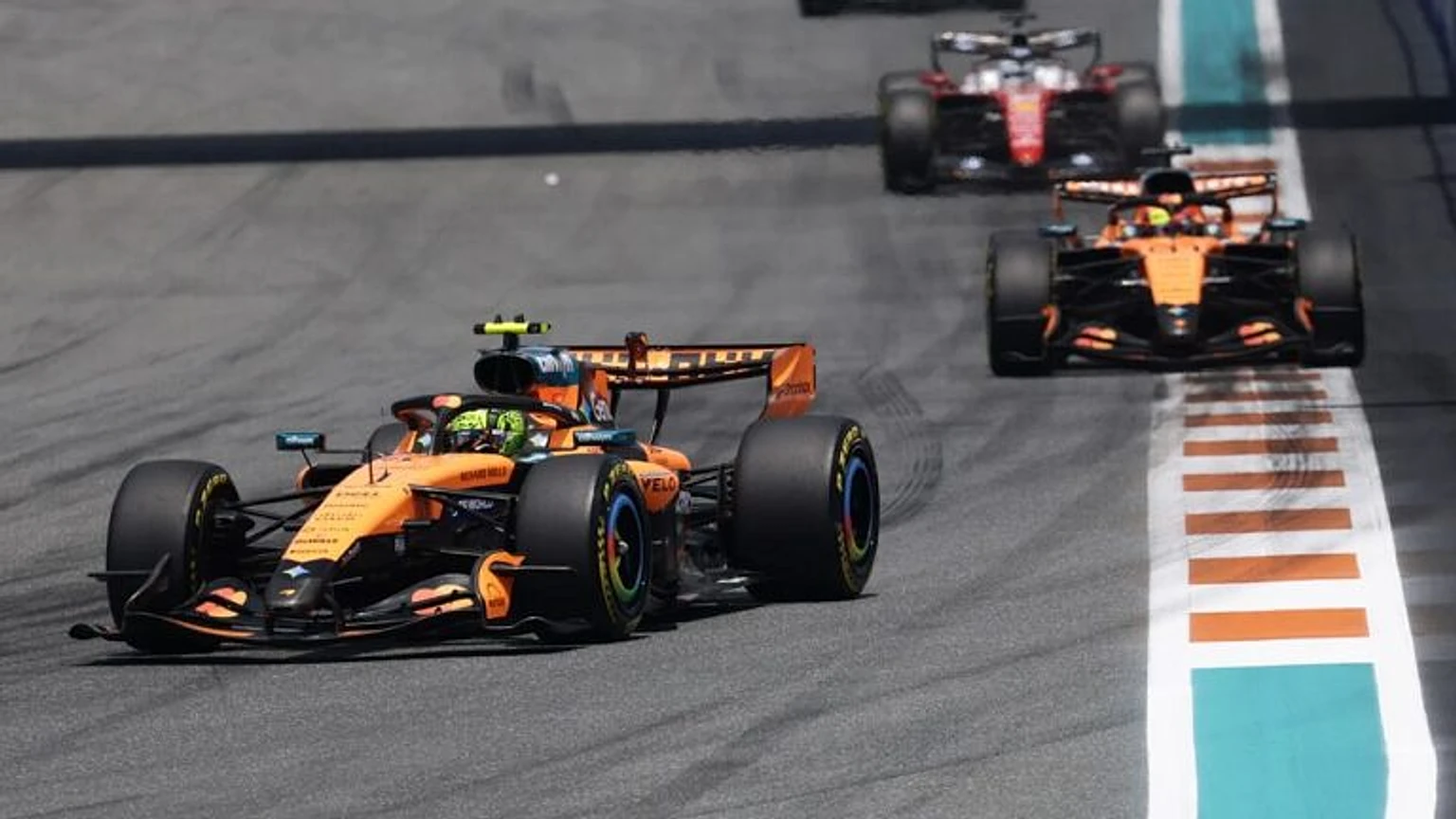
One of the most intriguing outcomes? The return of the V8 could spark a new era of engine development independence. Ben Sulayem believes that with a simpler, more accessible power unit design, even teams like McLaren might build their own engines instead of relying on customer deals. "I believe that when we introduce it, I feel that even McLaren will do their own engine," he stated.
For fans, this means a return to the spine-tingling sound that defined F1 for decades, paired with lighter, more competitive cars. For the sport, it promises lower costs, greater parity, and a more level playing field. With four years to go, the countdown to 2030 has officially begun—and it's shaping up to be a thrilling ride.