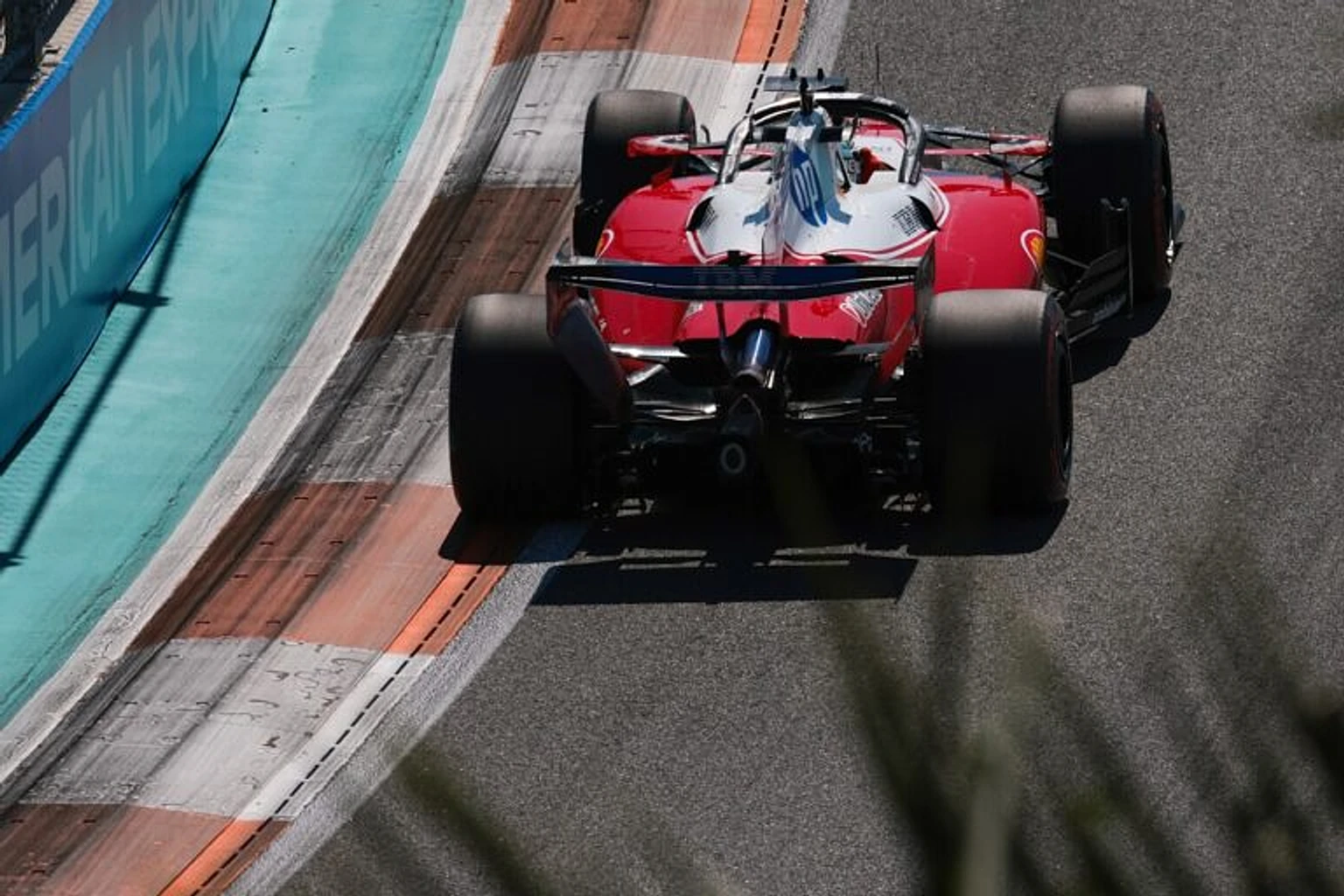
The 2026 Formula 1 season is barely four races in, and already the sport is plotting a dramatic escape from its own future. FIA President Mohammed Ben Sulayem dropped a bombshell during the Miami Grand Prix weekend, confirming what paddock insiders had long suspected: the iconic V8 engine is roaring back to Formula 1—and it doesn't matter if the manufacturers agree.
"It's coming, oh yes, it is coming," Ben Sulayem told reporters, per Reuters. "At the end of the day, it's a matter of time. In 2031, the FIA will have the power to do it, without any votes from the power unit manufacturers."
For fans who miss the thunderous symphony of V8 engines, this is music to the ears. The sport swapped its beloved V8s for V6 turbo-hybrids back in 2014, a move driven by the automotive industry's electrification push and the need to lure manufacturers like Audi and Honda into the fold. The current 2026 regulations deepened that commitment with a near 50-50 split between combustion and electric power—but the result has been far from smooth. Just four rounds into the season, battery management has dominated racing, forcing early tweaks to reduce energy harvesting reliance and improve safety.
Ben Sulayem has set his sights on 2030, a year before the current engine rules officially expire. Here's the math: if four out of six manufacturers vote in favor, the change can happen by 2030. If not, the FIA can unilaterally force the switch for 2031. The president insists manufacturers are broadly on board, but he's ready to move forward either way.
"You will hear about it very soon. It will not be something like now, which is a 46-54 split. There will be very minimal [electric] power," Ben Sulayem said. The new V8s will retain some electrification—just nowhere near the current formula's near-equal weighting between combustion and battery power.
As for V10 engines? They've been ruled out, mainly because they no longer align with road car relevance. Instead, the V8 takes center stage. "It's the most popular and easiest to work with," Ben Sulayem explained. "Its sound is incredible, the mechanics aren't overly complex, and it's a lighter option of engine." For fans and teams alike, that means more raw power, less weight, and a return to the ear-splitting roar that defined an era of F1 racing.