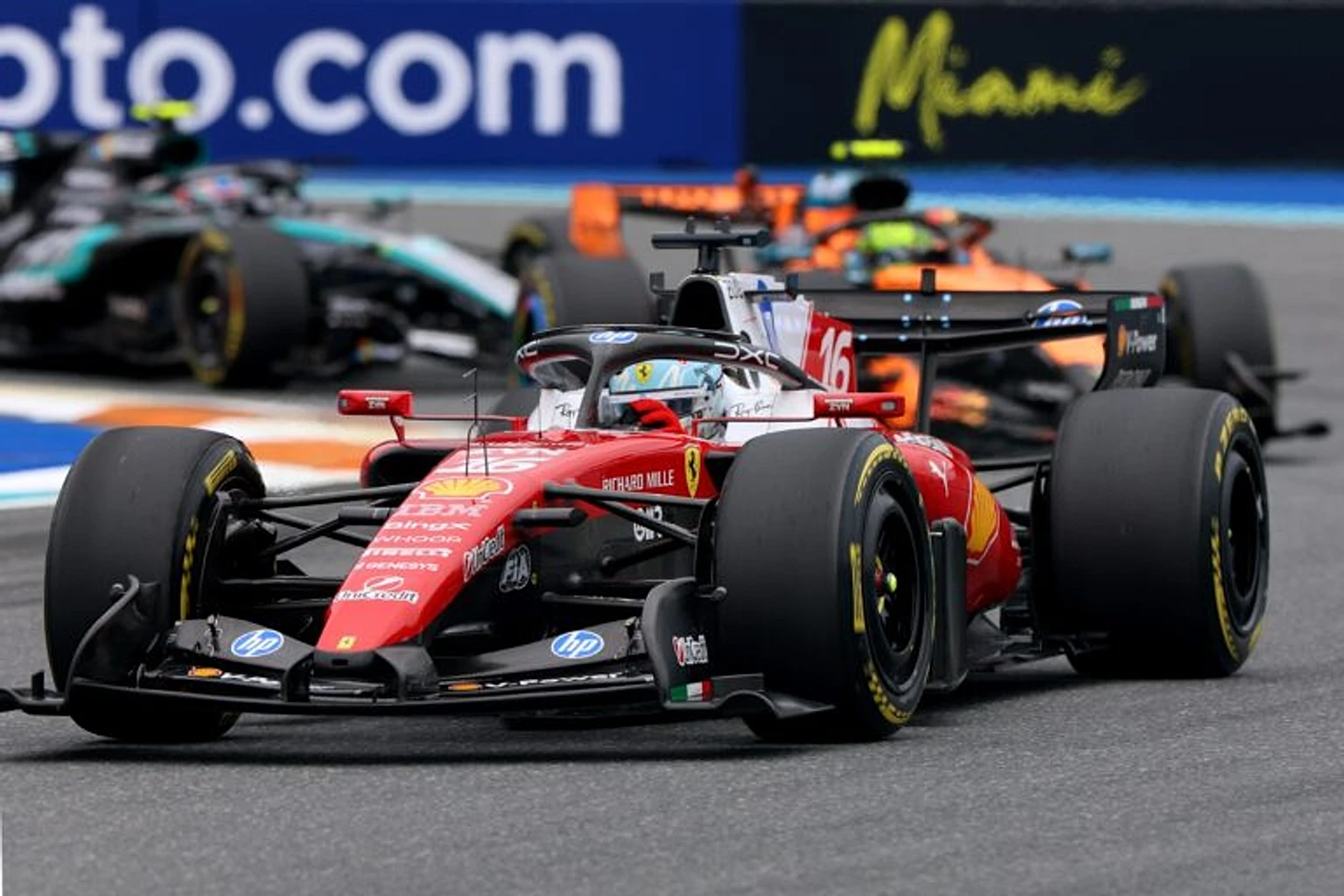
The FIA has officially confirmed that the 2027 power unit regulations will shift Formula 1 back toward its combustion roots—and the news is sending ripples through the paddock. After an online meeting following the US Grand Prix, involving all 11 team principals, Formula One Management, and the five power unit manufacturers, the governing body agreed in principle to a set of hardware changes that mark a significant departure from the current trajectory.
The headline change? A nominal increase in internal combustion engine (ICE) power of approximately 50kW, paired with a corresponding fuel-flow increase. At the same time, ERS deployment power will be reduced by roughly the same amount. In simple terms: the combustion side goes up, the electrical side comes down. It's an admission that the 50-50 power split written into the 2026 regulations was too aggressive—and that admission has been a long time coming.
For context, the 2026 rules were designed around a near-50:50 split between electrical and combustion power. From the very first weekend in Australia, problems emerged. Energy deployment became such a critical performance differentiator over a qualifying lap that drivers found themselves rewarded for driving to the power unit's algorithm rather than the limit of grip. High-speed corners became harvesting zones instead of attack opportunities, with drivers saving energy to deploy on the straights.
The criticism was swift and loud. Max Verstappen famously called it "Formula E on steroids." Reigning champion Lando Norris, after finishing second in Miami, described the earlier tweaks as "a small step in the right direction, but not to the level that Formula 1 should still be at yet."
Those Miami tweaks—reducing qualifying energy harvesting from 8 megajoules to 7, increasing superclipping from 250kW to 350kW, and introducing a minimum MGU-K acceleration threshold for race starts—were considered a success by the FIA. The post-Miami meeting opened with a review deeming the package an improvement, with no material safety concerns identified. Drivers near-universally agreed that one-lap pace felt closer to traditional F1. The race itself was much better, though some yo-yoing remained.
But as the FIA has now made clear, Miami was just the start. The 2027 changes represent a more fundamental shift—one that brings F1 back toward its combustion heritage while still embracing hybrid technology. For fans who've longed for the raw sound and feel of screaming engines, this is a win. For teams and manufacturers, it's a clear signal that the sport's soul remains firmly rooted in the roar of the ICE.