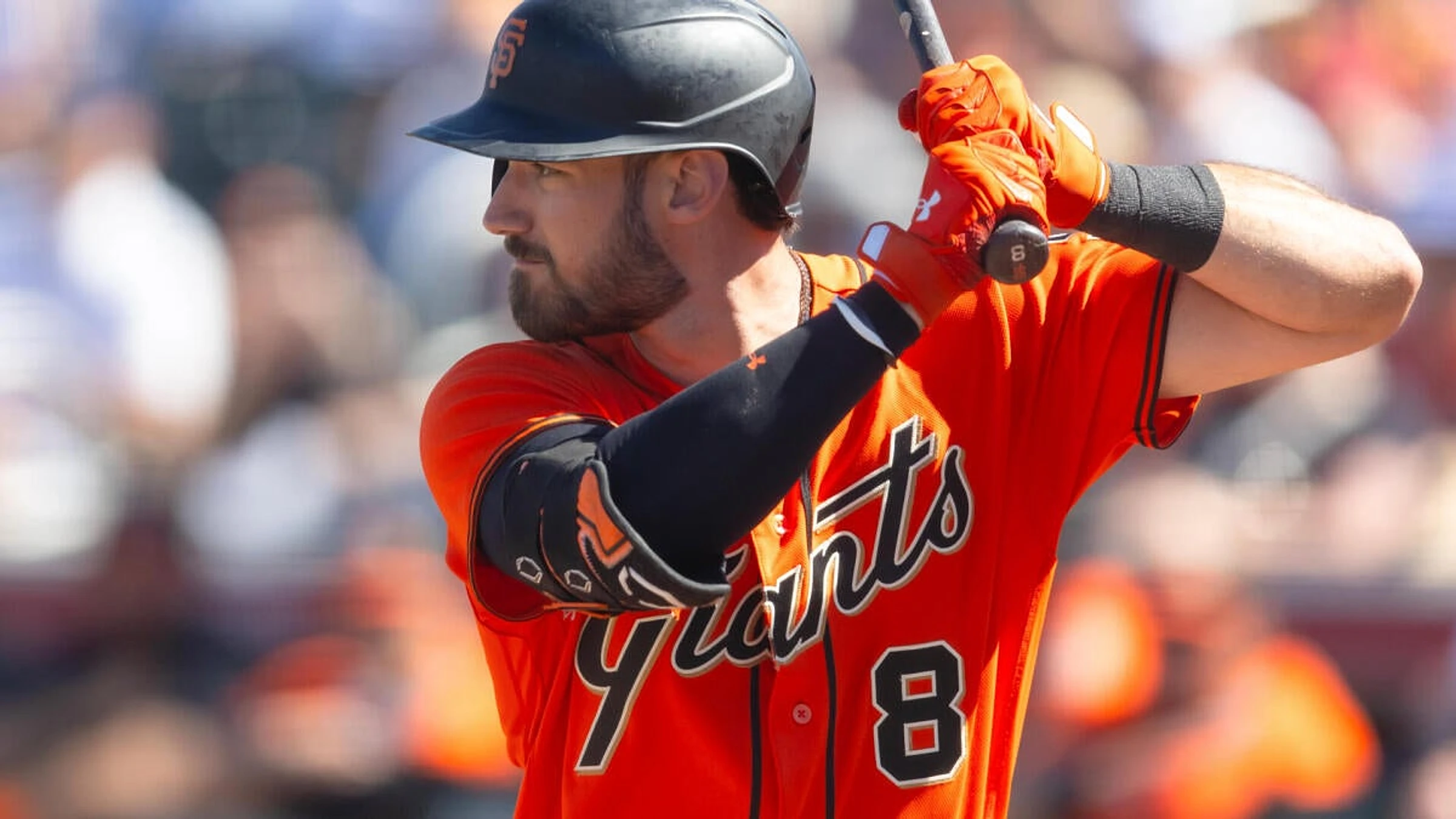
Fantasy baseball managers, get ready—Bryce Eldridge is back in the big leagues. The 21-year-old slugger was called up Monday, and if you've been following the prospect landscape, you know this is a moment that's been brewing for a while. But before you rush to add him to your roster, let's break down what this return really means for your team.
First, the simple question: Why now? The answer is simple—Eldridge got scorching hot. Over his last seven games in the minors, he went 14-for-28 (.500) with three home runs. That kind of tear is impossible to ignore, especially for a player who already debuted last September and nearly won a job out of spring training. The only thing standing in his way was Casey Schmitt's hot start, but Schmitt's versatility allows him to slide into a super utility role, clearing the path for Eldridge.
Now, the big question on everyone's mind: What can you expect from him at the plate? The short answer is power, but with a catch. Eldridge struck out 13 times in 37 major league plate appearances last September—a 35.1 percent rate. His career minor league strikeout rate sits at 27.4 percent, and at Triple-A last year, it climbed to 29.9 percent. That's right on the edge of the dreaded 30 percent threshold that often decides whether a player can maintain a respectable batting average. Players like Nolan Gorman, Ryan McMahon, and Oneil Cruz live in this territory—it's risky, but it doesn't have to be a deal-breaker.
The key for Eldridge is that when he does make contact, it's often devastating. Standing 6-foot-7, his plate coverage will always be a challenge, but his raw power is elite. Think of him as a true lottery ticket—his best-case outcome could be the kind of run that wins you your league. But he's not a must-add; he's a calculated gamble for managers willing to ride the highs and lows.
For those already in the mix, the strategy is clear: if you have a bench spot to spare and can absorb some strikeout risk, Eldridge offers a ceiling few prospects can match. Keep an eye on his early at-bats—if he's making hard contact consistently, he could be the difference-maker your roster needs.