Formula 1 is hitting the reset button on its engine regulations, with major changes coming for the 2027 season after widespread criticism of the current rules. The 2026 season has been overshadowed by unpopular technical tweaks that have left drivers and fans alike frustrated.
At the heart of the controversy is the 50-50 split between combustion and electrical power. This setup forces drivers to manage their battery usage aggressively, often slowing down during qualifying laps to conserve energy. The addition of "gimmicks" like a boost button for overtaking has also drawn fire, with four-time world champion Max Verstappen leading the charge against the changes.
Following a meeting on Friday between F1, the FIA (the sport's governing body), and all 11 team principals, a decision was made to adjust the engine design. The power from the Internal Combustion Engine (ICE) will increase by 50kw, while the Energy Recovery System (ERS) will decrease by the same amount. This shift aims to eliminate the need for drivers to lift off the throttle to recover energy during qualifying, making racing more "intuitive" for the stars of the sport.
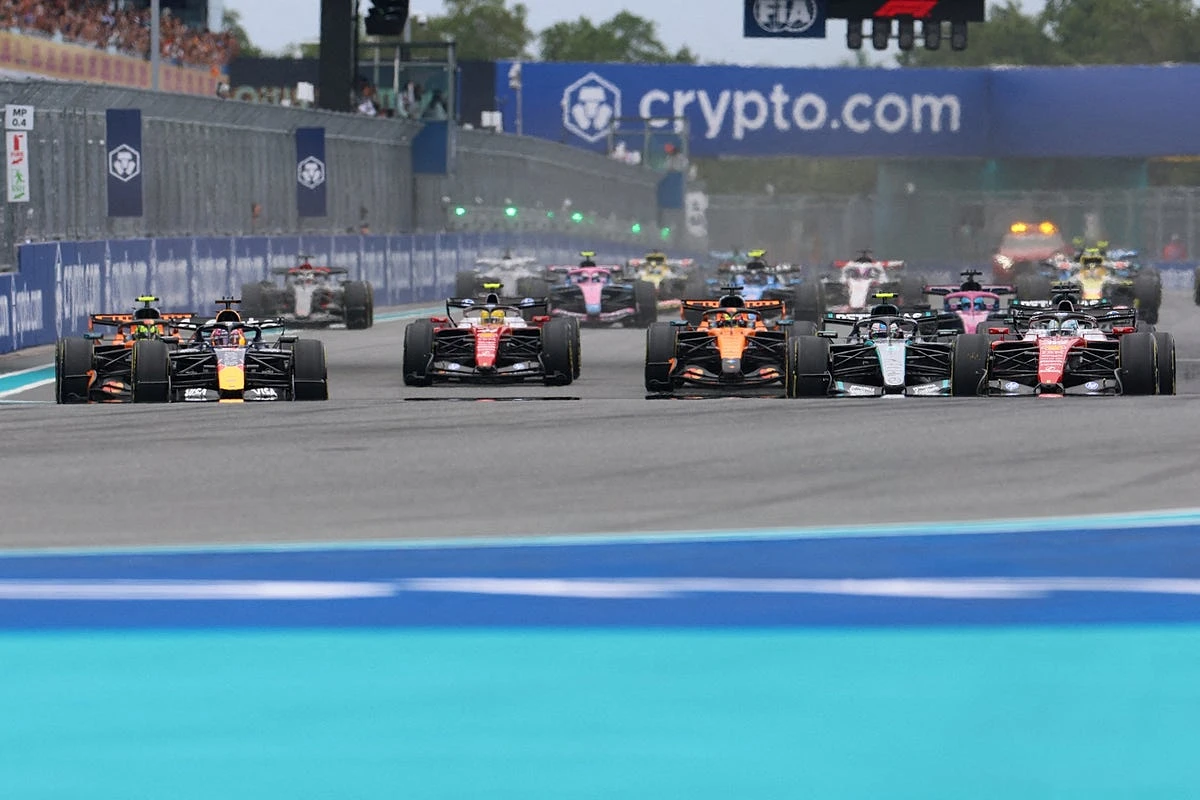
The FIA confirmed that initial tweaks tested at last weekend's Miami Grand Prix showed promise. "The conclusion from the deployment of modifications in Miami, designed to improve safety and reduce excessive harvesting, was that they resulted in improved competition and were a step in the right direction," read a statement. "Turning to the longer-term measures, there is unanimous commitment to introduce changes which further enhance fair and safe competition, that were intuitive for drivers and teams and were in the best interests of the sport."
On the track, Mercedes' Kimi Antonelli is leading the world championship, ahead of British teammate George Russell, after winning three of the first four rounds. The next race is set for Canada on May 24, where fans will be watching closely to see how these early adjustments play out.