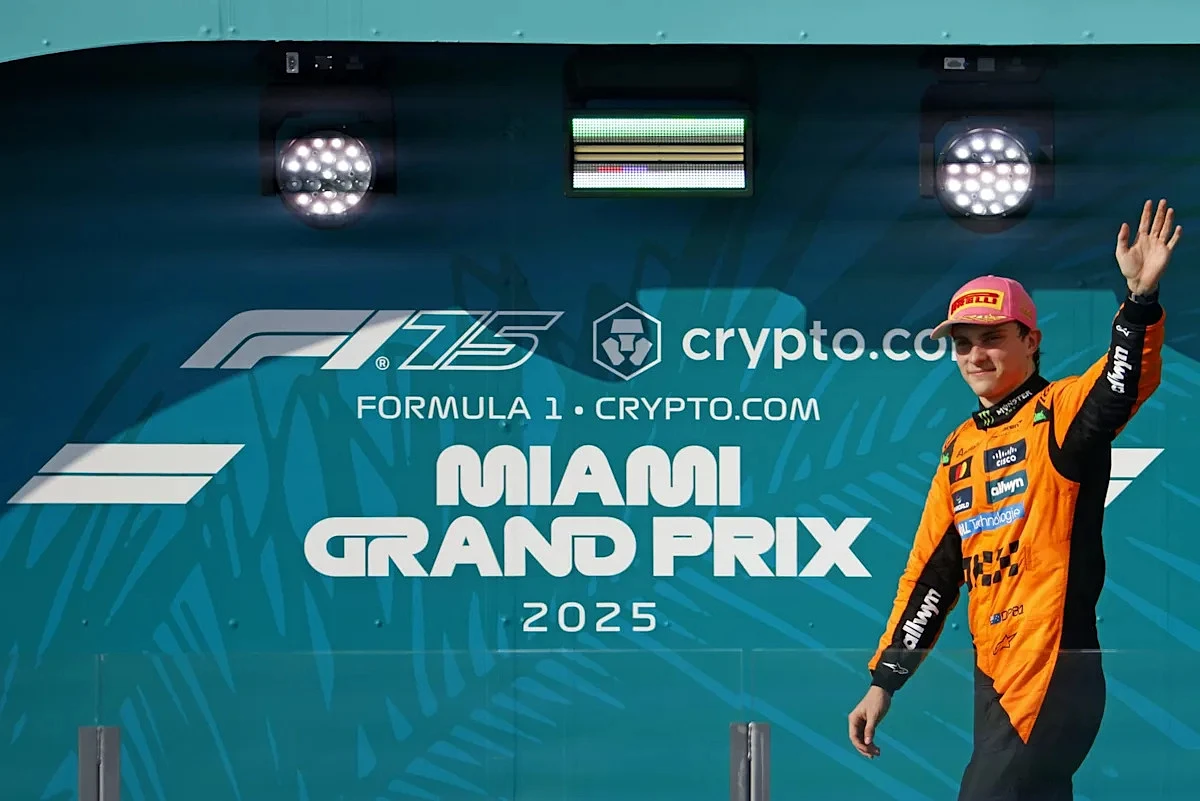
The 2026 Formula One season has been defined by controversy, but this weekend's Miami Grand Prix could mark a turning point. After an unexpected early-season break gave teams time to regroup, all eyes are on how they'll adapt to the sport's most polarizing new regulations.
This year, F1 introduced major car overhauls, including hybrid engines with a 50-50 split between electrical and internal combustion power. The result? Cars are now a few seconds slower per lap—a massive gap in a sport where qualifying margins are measured in tenths or hundredths of a second. But speed isn't the only concern. The new rules have also created safety issues due to dangerously high closing speeds between cars.
The danger became real at the Japanese Grand Prix, when Haas driver Oliver Bearman crashed at nearly 190 mph while trying to avoid Alpine's Franco Colapinto. Bearman escaped serious injury, but the incident highlighted growing driver frustrations.
Four-time world champion Max Verstappen has been among the most vocal critics, comparing the cars to "Formula E and Mario Kart." Even 2026 champion Lando Norris called it "probably the worst" car in F1 history to drive. Both drivers have slipped in the standings—Norris to P5 and Verstappen to P9—a stark contrast to their dominance last season.
F1 CEO Stefano Domenicali, however, defends the changes, pointing to increased overtaking and more exciting races for fans. "The fans want to have excitement on the race, want to have a lot of overtaking, want to have action on the track," he told Yahoo Finance.
Teams now have a rare chance to recalibrate. The Bahrain and Saudi Arabian Grands Prix were canceled due to geopolitical tensions, creating an extended break that allowed engineers to tweak their cars. As the paddock rolls into Miami, the question is simple: Will these adjustments close the gap between driver complaints and on-track performance? The answer could define the rest of the season.