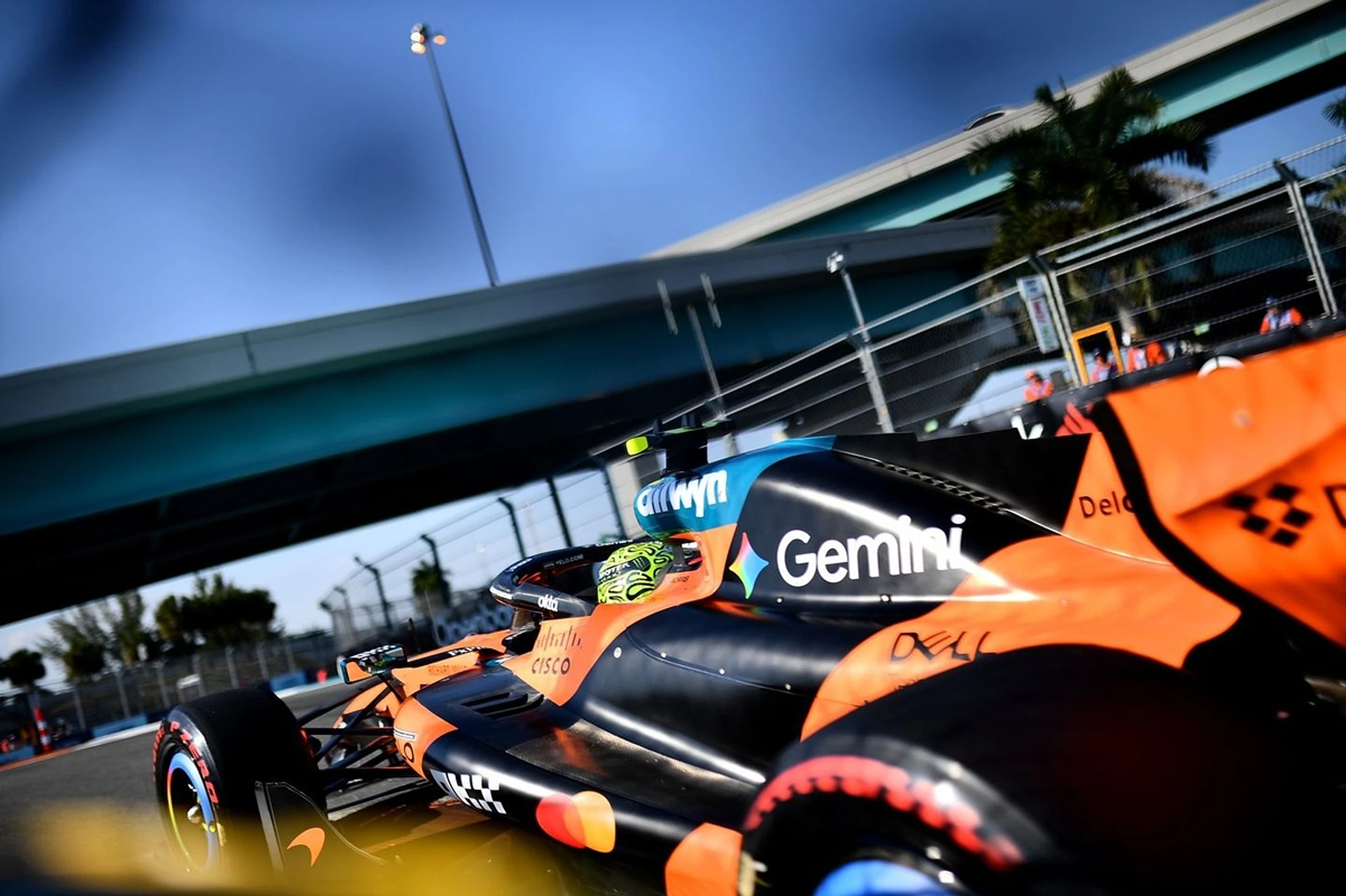
When it comes to the future of Formula 1, the conversation is shifting from lap times to timelines—and McLaren team principal Andrea Stella believes the sport's power unit regulations still need a major tune-up, even if it means waiting until 2028 to make it happen.
Fresh off the first race weekend under the tweaked 2026 rules at the Miami Grand Prix, F1 has already taken initial steps to improve the qualifying spectacle and address the extreme closing speeds that raised eyebrows earlier this season. While those early adjustments showed modest promise, the real test will come when the calendar shifts to circuits that demand more from the energy management systems—leaving many wondering if the fixes go far enough.
Stella argues that the current formula requires more than just sporting tweaks. Real progress, he says, will come from hardware changes to the power unit itself. Think more fuel flow to unleash extra horsepower from the internal combustion engine, or a larger battery to prevent cars from running out of energy mid-race. Even a modest reduction in downforce could help, as lower cornering speeds naturally consume less energy.
But here's the challenge: these aren't quick fixes. An increase in fuel flow, for example, isn't something the current engines are built to handle. It would ripple downstream, affecting fuel tanks and chassis designs—and several teams have already locked in their chassis plans for next season. That means any structural changes to the power unit are all but impossible before 2028, even if F1's stakeholders can agree through the sport's governance structure.
Stella, whose McLaren team runs Mercedes customer engines, didn't mince words when asked about the path forward. "Hardware adjustments to the power unit in order to improve Formula 1 in general, I personally think are required," he told Motorsport. "They will have to deal realistically with the fuel flow and battery capacity to rebalance the performance between the combustion and electric sides of the power unit."
For now, F1 fans and teams alike will have to wait—but the message from the McLaren camp is clear: the sport's next great leap forward won't come from a simple rule change. It will require a fundamental rethinking of what powers the show.