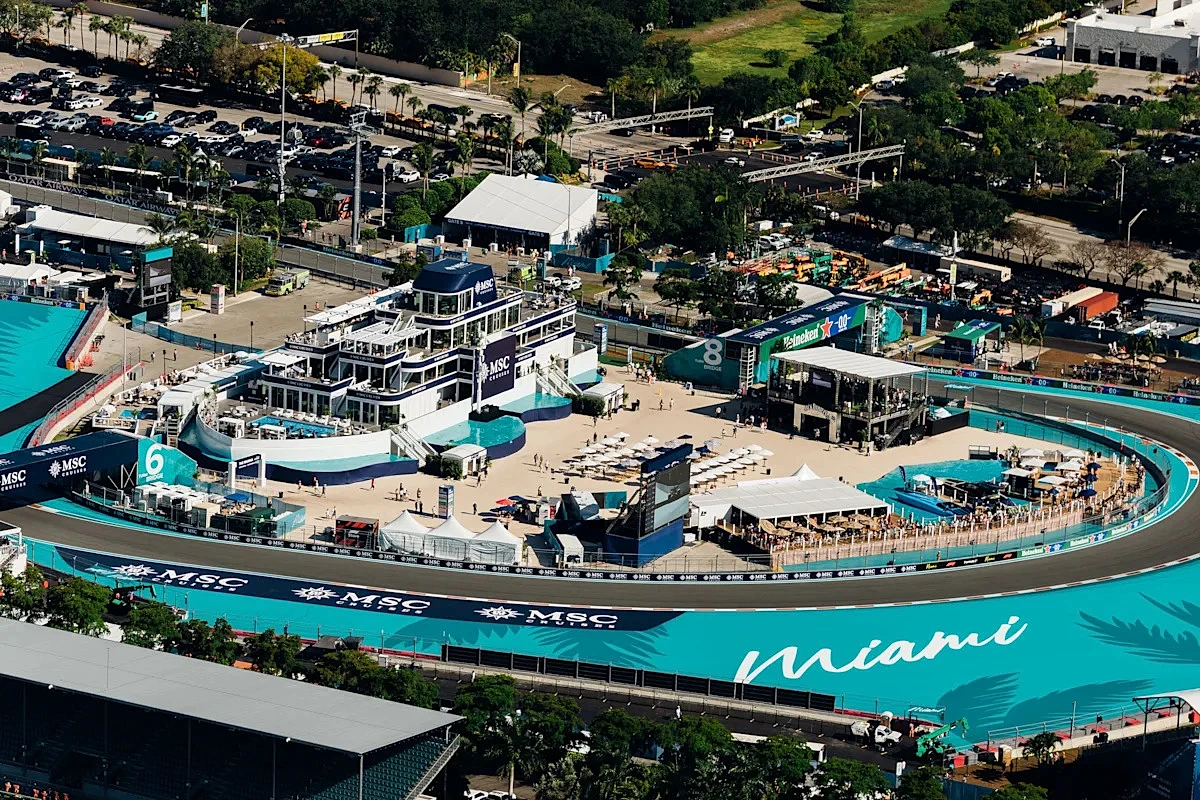
The checkered flag has dropped on the fifth Formula 1 Miami Grand Prix, but at Hard Rock Stadium, the engines are already revving for the next challenge. While 19-year-old Kimi Antonelli celebrated his victory on Sunday, crews began dismantling the multi-million-dollar infrastructure that took over three months to build—including a custom boat that will never sail. It's all part of a dizzying 2026 schedule that's turning this venue into the ultimate sports chameleon.
Next up? The FIFA World Cup, the largest sporting event on the planet. That means Hard Rock Stadium is sprinting through a non-stop cycle: prep for a mega-event, host the crowds, tear it all down, and start again. It's a rhythm that would exhaust most venues, but for this stadium, it's business as usual.
Think about what we've already witnessed. The college football national championship delivered a thriller between Indiana and Miami. The Miami Open brought the world's best tennis stars to town. Now, the F1 race—once a pipe dream—has roared through, and seven World Cup matches, including a quarterfinal, are on the horizon. This lineup rivals any stadium in the country, fulfilling a vision Joe Robbie had when he first built this place.
Katharina Nowak, president of the Miami Grand Prix, credits a tireless team for making the impossible look routine. "This is the type of stuff we do at Hard Rock Stadium that really no other stadium does in the world," she says. From night shifts to beat tight deadlines, the crew's dedication is rewriting the playbook for multi-sport venues.
So while we've celebrated championships from the Panthers, Dolphins, Heat, Marlins, and Inter Miami, this spring offers something different. It's not about playoffs—it's about hosting the world's biggest events back-to-back. Take a moment to appreciate the spectacle. The engines may have quieted, but the stadium never sleeps.