Formula 1 is shifting gears once again, with leaders agreeing to an engine design change for the 2027 season that will boost internal combustion power. This decision comes after a rocky start to the year, when F1 introduced a controversial 50-50 power split between traditional engines and onboard battery packs—a move that drew immediate criticism from drivers.
In an online meeting Friday, the FIA, alongside teams and F1 officials, reached an agreement in principle to tweak the power balance. According to an FIA statement, the 2027 changes will increase internal combustion engine (ICE) output by approximately 50kW, paired with a fuel-flow increase, while reducing the energy recovery system (ERS) deployment power by a similar amount. The goal? To make the cars "more intuitive for drivers and teams," as the FIA put it.
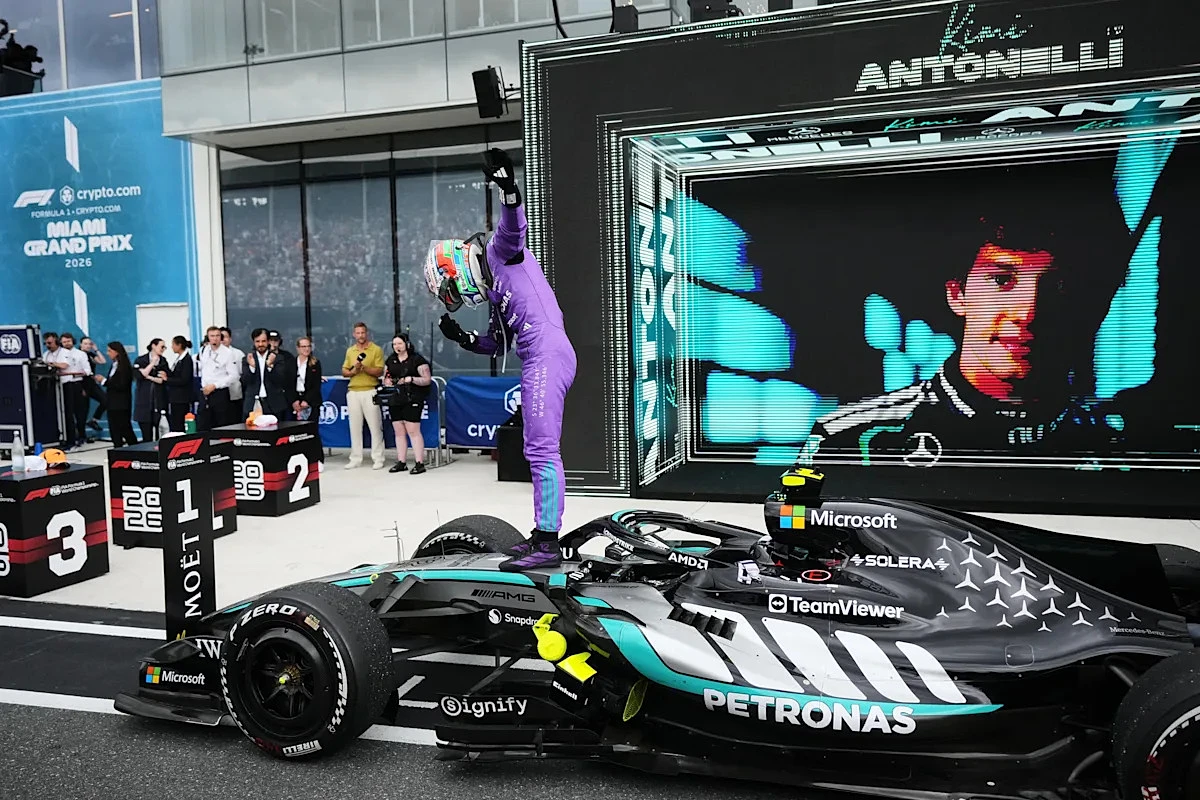
This isn't the first adjustment this season. After just three grands prix, early tweaks curbed the influence of electrical power, addressing driver concerns that the tech-heavy setup was overshadowing pure racing skill—especially in qualifying. The recent Miami Grand Prix was the first race under those modifications, and it delivered one of the most thrilling, wide-open contests in recent F1 memory. Drivers from four different teams led the pack before Kimi Antonelli clinched his third win of 2026 for Mercedes.
The push toward electrification has been a defining—and divisive—theme in F1 since the introduction of V6 hybrid engines in 2014. Today, timing electrical boost and recharging is a tactical art, but not everyone is a fan. Four-time world champion Max Verstappen has been so vocal in his criticism that he's questioned his future in the sport.
Friday's session also reviewed the Miami adjustments, which were designed to improve safety and reduce excessive energy harvesting. The verdict? They "resulted in improved competition and were a step in the right direction," per the FIA. However, evaluation continues, with further fine-tuning expected at future events.
For fans and gearheads alike, this signals a sport listening to its stars while pushing the limits of engineering—a perfect balance for those who love the roar of the engine and the thrill of the race.