Aston Martin's decision to skip performance upgrades at the recent Miami Grand Prix raised plenty of eyebrows in the F1 paddock, and now insiders are shedding light on the method behind the madness—pointing directly at Adrian Newey's famously "fussy" perfectionism.
While rival teams used the five-week break to fine-tune their 2026 cars, Aston Martin stayed quiet, focusing on reliability rather than chasing outright speed. In fact, the team left one of their AMR26s in Japan after Suzuka so engineers could work closely with the Honda factory on persistent issues with the 2026-spec power unit. It's a strategic pause, not a lack of ambition.
The results in Miami reflected this conservative approach: Fernando Alonso and Lance Stroll finished P15 and P17—far from ideal, but it marked the first race this season where both cars completed a full race distance. Progress, albeit measured. Early projections suggest regular points finishes may still be a stretch until after the summer break.
Speaking on the RacingNews365 podcast, F1 journalist Ian Parkes shared insights from paddock conversations that highlight just how unusual Aston Martin's situation is. He pointed to the remarkable fact that Cadillac—a team with only four Grands Prix under its belt—has already matched Aston Martin's early-season performance. "Who would have thought?" Parkes remarked. "A brand-new team battling a team with all of Aston's resources, history, and investment."
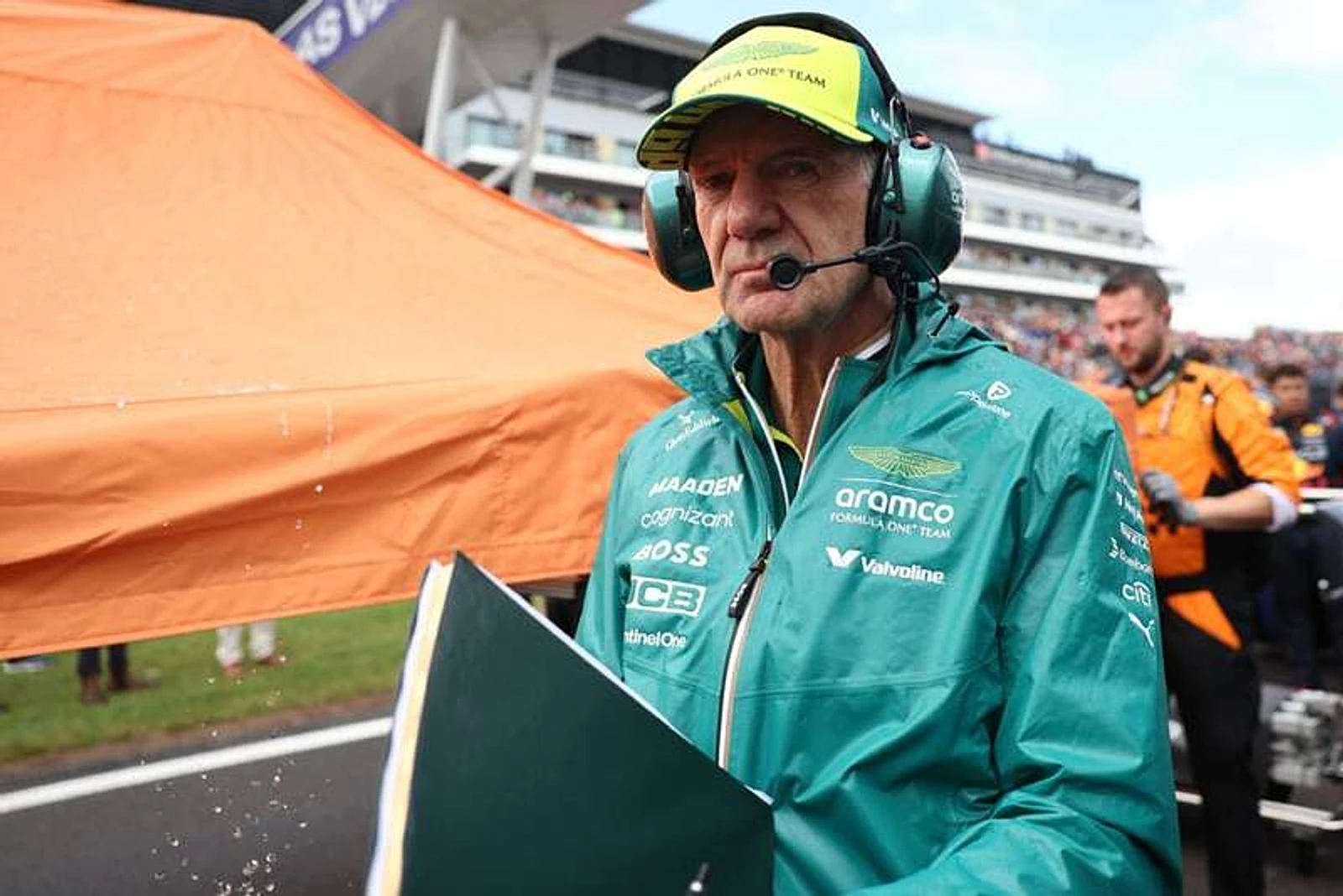
The delays aren't limited to Honda's power unit, either. According to Parkes, the broader car development has hit a bottleneck because Newey is holding out for perfection. "Speaking to people in the paddock, the belief is they're delaying any major upgrade because Adrian is being so fussy, such a perfectionist," Parkes explained. "He wants to get this fundamentally right. They don't want to just throw components at the car hoping for a tenth here or there."
For Aston Martin and Newey, patience isn't just a virtue—it's a strategy. And for fans and gearheads alike, it's a reminder that sometimes the fastest path forward is the one that takes the longest to build.