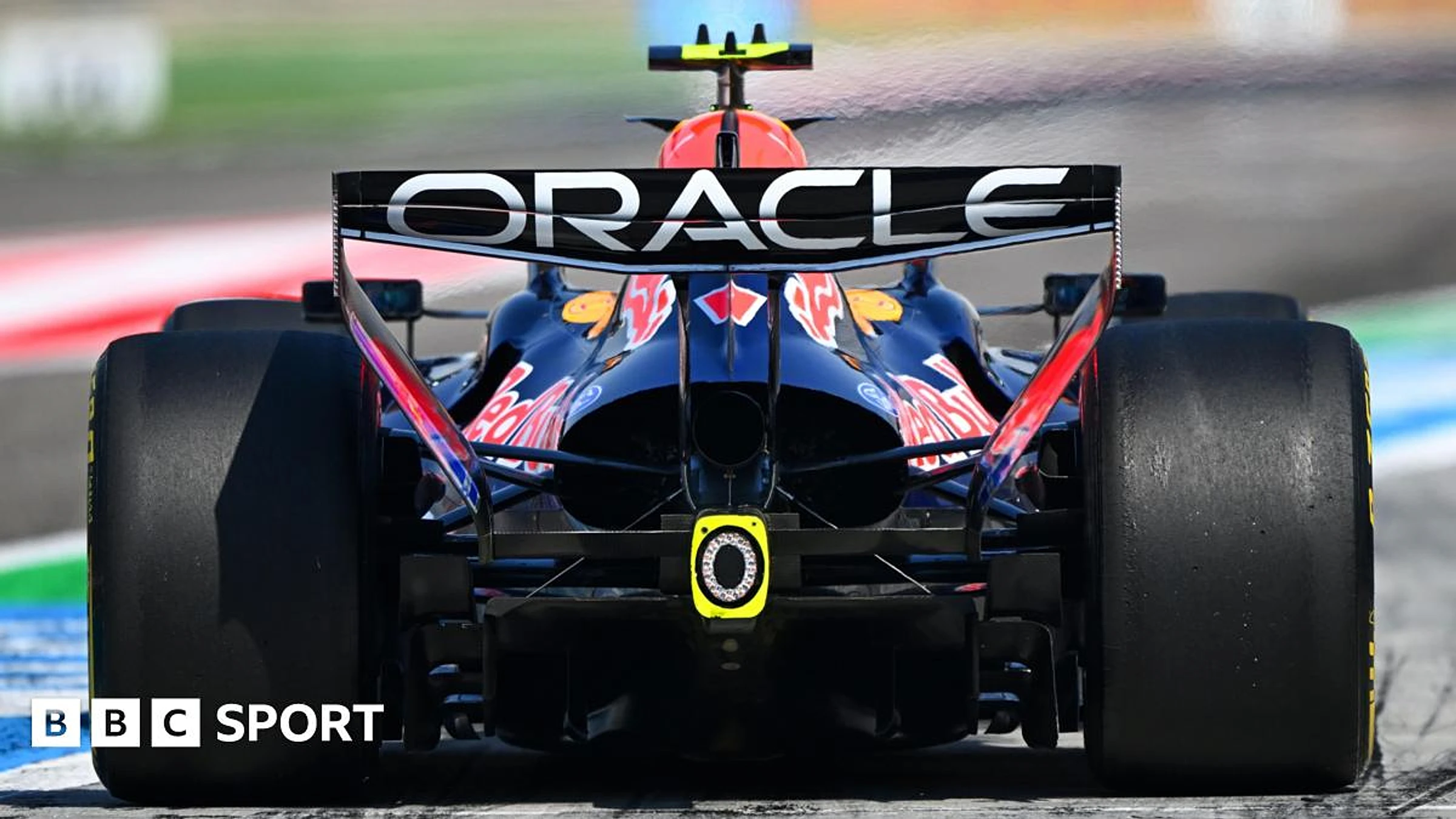
In a major shake-up for the sport, Formula 1 bosses have greenlit a pivotal change to engine design for the 2027 season, directly addressing driver frustrations with the current power units. The decision, reached unanimously in a Friday meeting involving teams, commercial rights holder F1, and the FIA, aims to restore the raw thrill of qualifying that many felt had been diluted by the new regulations introduced this year.
Drivers had voiced concerns that the near 50-50 split between internal combustion and electrical power forced excessive energy management, dulling the edge in qualifying sessions. To counter this, the agreed principle will boost the internal combustion engine's output by 50kW (67bhp) while reducing electrical power by the same amount. This shift is expected to allow drivers to push harder and more instinctively, recapturing the traditional, flat-out approach that defines F1's qualifying drama.
The current power units require complex energy recovery techniques—even while on full throttle—leading to frustrating speed drops before corners and through fast curves. The change promises to simplify this, making the cars more responsive and driver-friendly. As the FIA noted, the details will be refined in technical groups with teams and power-unit manufacturers before a final package is locked in. While it means development work for existing engines, one senior insider captured the mood: "Everybody is in the mood for a challenge."
The meeting also echoed praise for tweaks made to engine operation at last weekend's Miami Grand Prix, which drivers called "a step in the right direction." McLaren's world champion Lando Norris, who finished second in Miami, summed up the sentiment: "It's a small step forward, but it's not where F1 should be yet. If you go flat out like in previous years, you still get penalized. You should never be punished for pushing hard, and you still are."
For fans and racers alike, this 2027 adjustment signals a return to the sport's core ethos: raw power, driver skill, and unbridled speed. As F1 evolves, this change ensures the roar of the engine remains as thrilling as the race itself.