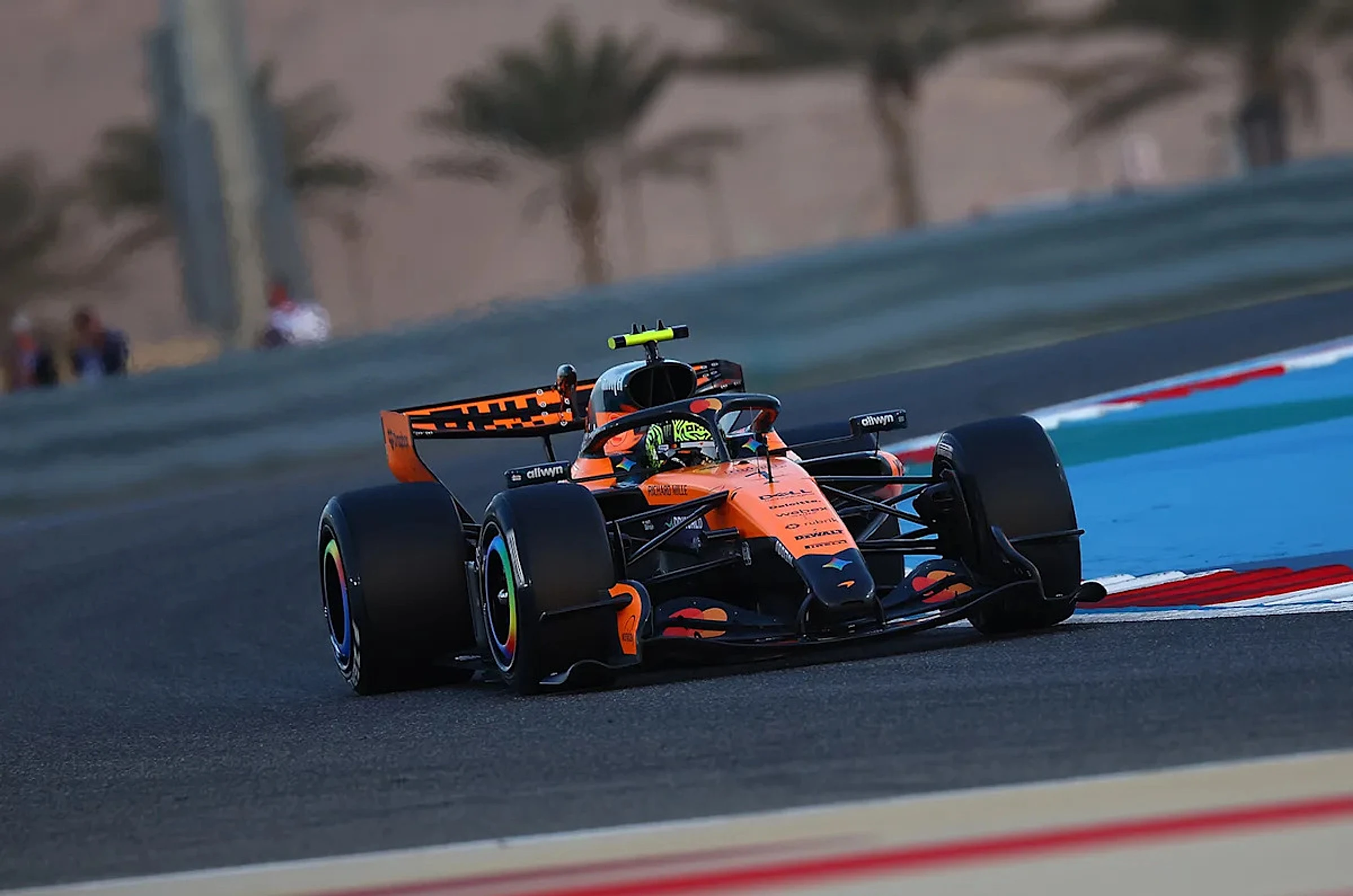
The roar of engines, the flash of carbon fiber, and the thrill of a new era—Formula 1 is back, and 2026 is shaping up to be a season unlike any other. As the grid prepares for this weekend's opener, fans and newcomers alike are buzzing with excitement and a hint of nervousness. Will this be the year F1 soars to new heights, or will the changes cause a stumble? Let's break down the radical new rules that are turning the sport on its head.
This isn't just another rule tweak—it's the biggest shake-up in F1 history. As Aston Martin's new team principal, Adrian Newey, puts it: "2026 is probably the first time in the history of F1 that the power unit regulations and chassis regulations have changed at the same time. It's a completely new set of rules." That's right, we're talking about a full reset that touches everything from the engine to the bodywork.
So, what's new? Picture this: lighter, smaller, and nimbler cars that look better than ever. The chassis width has been trimmed by 100mm, the wheelbase shortened by 200mm, and the minimum weight dropped by 30kg to just 768kg. Pirelli's tires are also getting a makeover—fronts are 25mm narrower, rears are 30mm narrower, and the overall diameter is slightly reduced. The result? Downforce is slashed by up to 30% from 2025 levels, and drag is nearly halved. These aren't just race cars; they're a different breed entirely.
But the real revolution lies under the hood. Why rewrite the engine rules? It's all about aligning F1 with the future of the automotive industry. The combustion engines remain 1.6-litre turbocharged V6s, but now they run on fully sustainable fuel made from non-edible biomass—no fossils here. The hybrid element is more powerful than ever, though it's also heavier, jumping from 151kg to 185kg. Energy recovery is limited to the rear axle, so no four-wheel drive, but the tech is cutting-edge. And the proof is in the pudding: this new era has already lured in heavyweights like Audi, Ford (partnering with Red Bull), and General Motors (with Cadillac).
Whether you're a die-hard fan or a curious beginner, 2026 is the season to watch. The cars are sleeker, the racing promises to be tighter, and the stakes have never been higher. So grab your gear, settle in, and get ready for a wild ride—this is F1 reimagined.