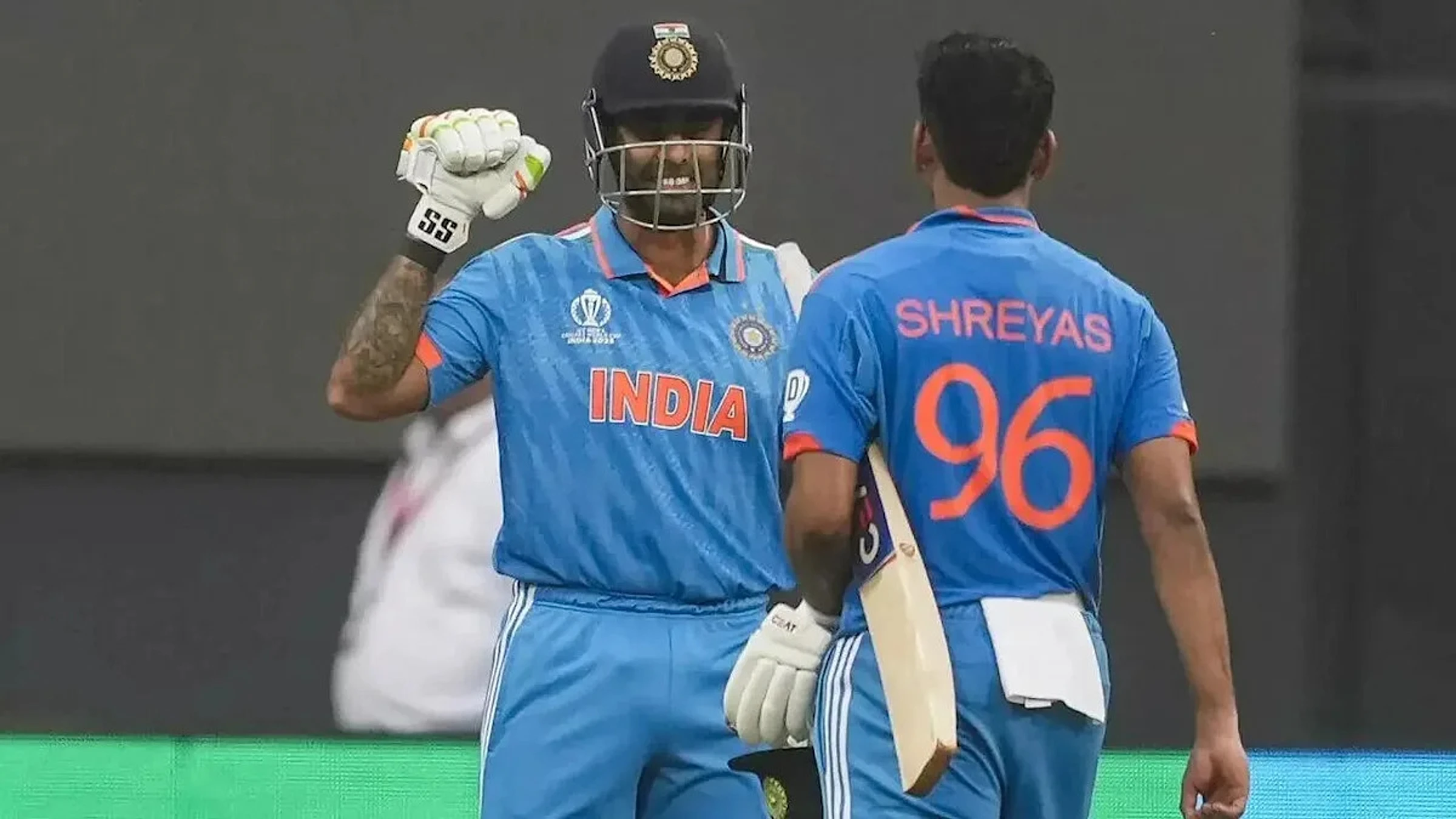
Change is in the air for Indian T20I cricket. According to reliable sources, the national selectors are preparing to hand over the captaincy from Suryakumar Yadav to Shreyas Iyer when squads are finalized for the upcoming Ireland and England series. This decision marks a significant shift in leadership strategy as India looks ahead to a packed schedule leading up to the 2028 T20 World Cup and LA Olympics.
Suryakumar Yadav, who led India to a memorable T20 World Cup victory in 2026, has been battling both form and fitness issues. While his captaincy record remains impressive—including that World Cup triumph where he scored 242 runs in nine innings—a closer look reveals concerning patterns. Aside from a blazing 84 against the USA in the tournament opener, the 35-year-old has struggled in high-pressure situations. Since taking over as T20I captain in July 2024, he has managed just 932 runs across 45 matches, with extended lean patches becoming increasingly common.
The timing couldn't be more critical. India faces a demanding T20I calendar, starting with two matches in Ireland followed by a five-game series in England. The selectors, who have run out of patience with Yadav's inconsistent batting returns, are looking for a fresh start. Shreyas Iyer, who has been knocking on the door for a return to the T20I setup, now emerges as the frontrunner—not just for a spot in the squad, but for the captain's armband itself.
Behind the scenes, there's more to the story. Sources within the BCCI and Team India camp reveal that Yadav has been playing through significant wrist discomfort, often seen with heavy taping on his right wrist during matches for Mumbai Indians. This persistent issue has affected his training and match preparation, though he has continued to soldier on for the team. Whether he remains in the scheme of things purely as a batter in his sole format remains to be seen.
For a team looking to build momentum toward global events in 2028, this leadership change signals a clear message: performance and fitness will drive selection decisions, no matter the stature of the player involved.