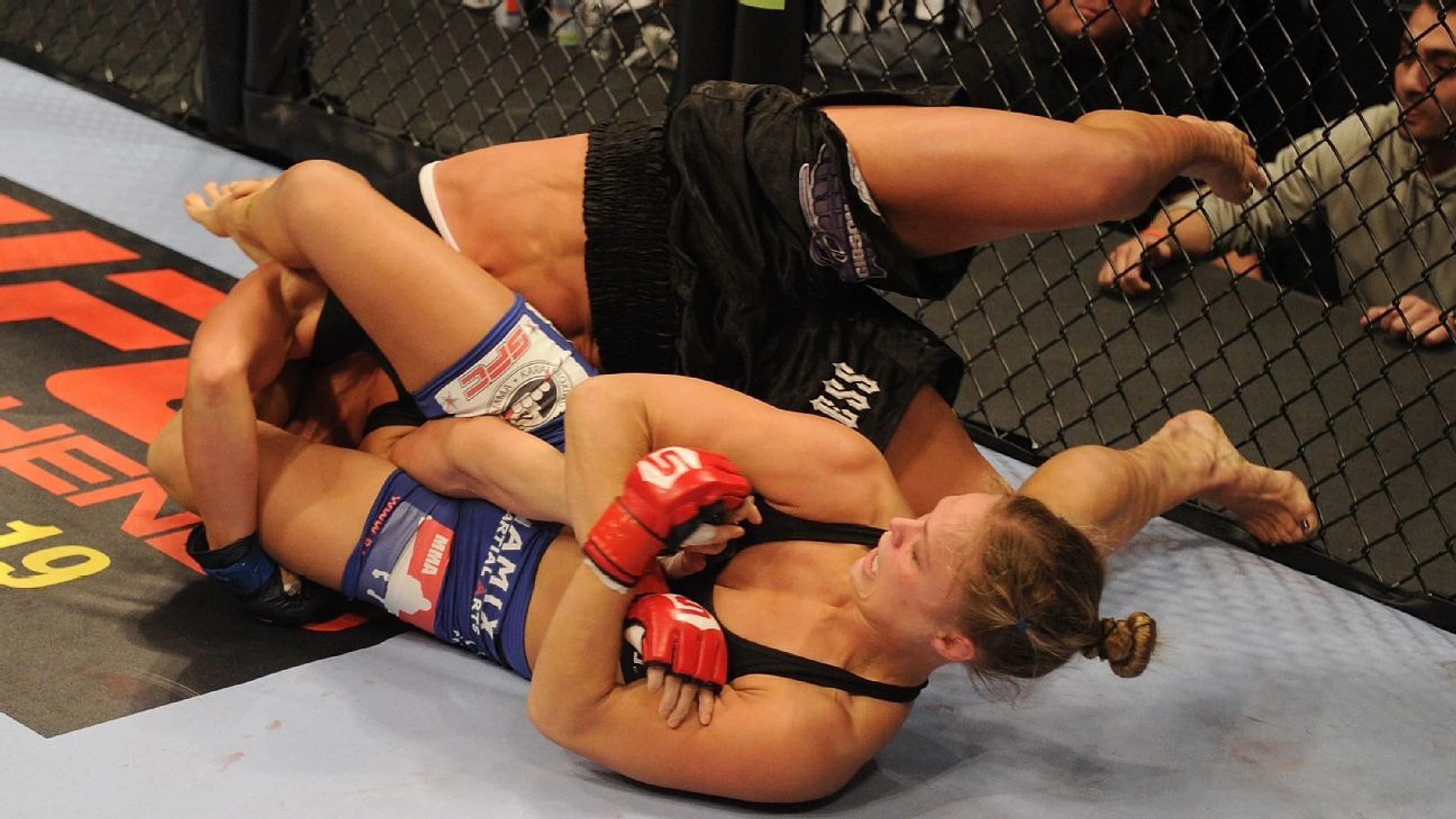
Ronda Rousey's signature armbar isn't just a move—it's a legend. This single technique propelled her from Olympic judo medalist to the face of women's MMA, a rise that still echoes in the sport today. But as she gears up for her return to the cage, the question on every fan's mind is: can this one trick still deliver a win?
The armbar, known formally as the juji-gatame, is a submission hold that hyperextends the elbow joint. Rousey perfected it during her judo career, where she learned to transition from standing throws to ground control in a fluid, devastating motion. In MMA, she turned it into a weapon of inevitability. Opponents knew it was coming, but few could stop it. She would close the distance, clinch, and then—like a python—coil into position, locking the arm with a wrenching torque that left no room to escape.
What made Rousey's armbar special wasn't just the technique itself, but the psychology behind it. She didn't hide her intentions. She dared fighters to stop her, and when they couldn't, the tap came fast. Six of her first eight UFC wins came by armbar, many in under a minute. It was a statement of dominance that changed how the world viewed women's fighting.
Now, as she prepares to step back into the octagon, the armbar remains her ace. But the sport has evolved. Fighters study her footage, drill defenses, and train with judo black belts. The element of surprise is gone. Yet, Rousey's timing, leverage, and relentless pursuit of the submission are timeless. If she can close the distance and force the fight to the mat, that armbar still holds the power to end a night in seconds.
For fans and fighters alike, Rousey's return is a reminder that some moves are more than just technique—they're a legacy. Whether she wins or loses, the armbar remains a symbol of what one perfectly honed skill can achieve. And for those of us who love the gear and grit of combat sports, it's a call to respect the art of the finish.