
Mike DeCourcyWed, April 29, 2026 at 6:50 PM UTC·10 min readExpanding NCAA Tournament field to 76 games invites mediocrity to the Big Dance and ruins the bracket originally appeared on The Sporting News. Add The Sporting News as a Preferred Source by clicking here.
They have the ball inside the 5 now, and only the fiercest of defensive stands from the opposition is going to stop advocates of the 76-team March Madness from reaching their ultimate goal.
And no, mixing the metaphor here is not done by accident.
It’s to show how obtuse NCAA Tournament expansion proponents have been throughout their campaign to damage one of America’s greatest events and diminish the popularity of the sport whose championship it decides.
It may be hard to believe now, but there was a period within my time following the sport passionately there wasn’t a bracket pool in every office, when millions weren’t watching for that 12/5 upset, when it actually was impossible to see the majority of March Madness games on television. If you were a Notre Dame fan living in the Pittsburgh suburbs wanting to see John Shumate taking on Michigan and Campy Russell in the 1974 Sweet 16? Forget it. No chance.
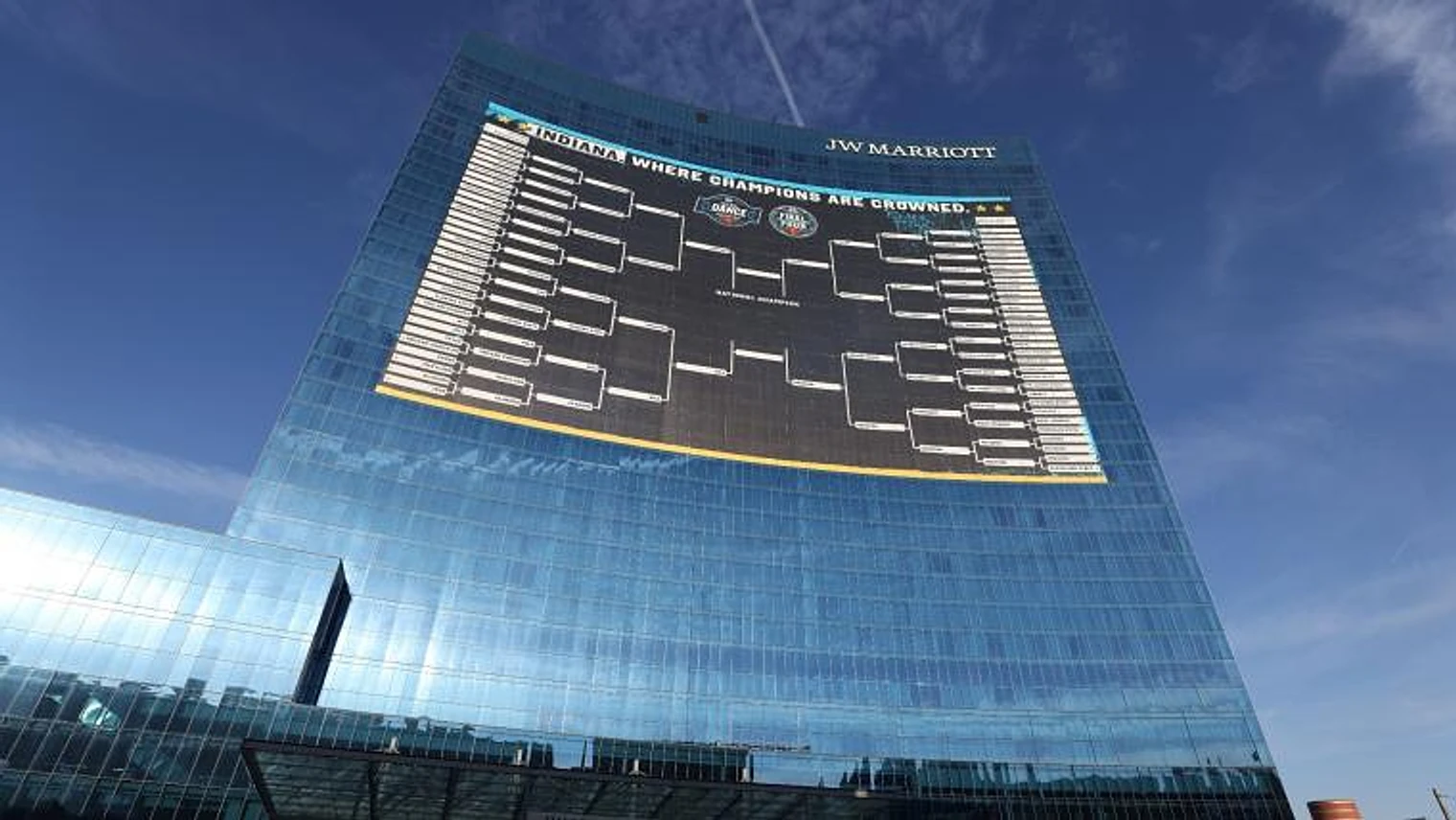
The Bracket is why each NCAA Tournament now is worth $1.1 billion just in television cash, before anyone sells a ticket or corporate sponsorship or hospitality package. The Bracket is why every game is on TV, and why those games comprising the core of the event – starting on Thursday at noon, ending on the first Monday in April before midnight – draw about 10 million viewers on average. The Bracket is why Charles Barkley arrives on the college scene every March.
The impending expansion of the field to 76 teams has lit The Bracket on fire and tossed it into a trash can.
The NCAA Tournament expansion to 64 teams in 1985 helped transform the first few weekends of the tournament into nearly as grand an occasion as the last. There was a simplicity to The Bracket even non-fans could embrace.
The impending expansion to 76 teams was a lousy enough idea. The execution of that concept as reported by Matt Norlander of CBS Sports, is so needlessly complicated as to turn bracket pools into a players-only event. They’ve taken the worst idea possible and somehow made it even crummier than we could have imagined.
If you’re not a serious gambler, why would you bother with the eight games tacked onto the previous First Four? (Don’t anybody call the new occasion the Dirty Dozen!) Six games on Tuesday and six on Wednesday? It could have been executed with an extra four games, but since no one involved in the design of this atrocity seems to recognize how March Madness came to be what it is, we shouldn’t have expected elegance.
There still are some formalities left to complete before the expanded March Madness becomes a reality for 2027. For starters, this decision requires the approval of the NCAA men’s basketball committee. It seems unlikely its members will flex the requisite muscle to stop this, but then, what chance did the New England Patriots have when the Seattle Seahawks arrived on their 1-yard-line with a second-and-goal to win Super Bowl 49?
Perhaps the committee will give this dreadful idea the dismissal it deserves if they read through the list of teams that would have made it – and their lack of qualifications – had this format been in place in 2026. Let's call them the not-so-great eight.
MORE: NCAA Tournament expansion is in final steps for 2027
David Rodriguez Muñoz / USA TODAY NETWORK via Imagn Images
The Sooners had 25 chances in a 34-game regular season to play the type of games that typically are involved in the NCAA Tournament – those that fall into the Quad 1 and Quad 2 designation – and their winning percentage in those games was .400. Yep, they lost 60 percent of the time.
The Sooners were 5-12 against the NCAA at-large field (all those that would be selected even if they failed to earn automatic qualification). That’s a .294 winning percentage.
And if you pick just the littlest bit deeper into Oklahoma’s record, it’s almost appalling. Their list of regular-season victories included just eight against teams that finished above .500, and three cleared that hurdle by two or fewer games. The composite record of their victims was 288-361.
And this was the first team the committee left out of the field!
With former coach Bruce Pearl still in charge, Auburn recklessly chose to take on one of the most difficult schedules in Division I basketball – ranked fourth most challenging by the NET ratings – with a team that had lost seven of the top eight players from the 2025 Final Four squad’s rotation.
(Pearl then left to do TV work while his son, Steven, coached the team).