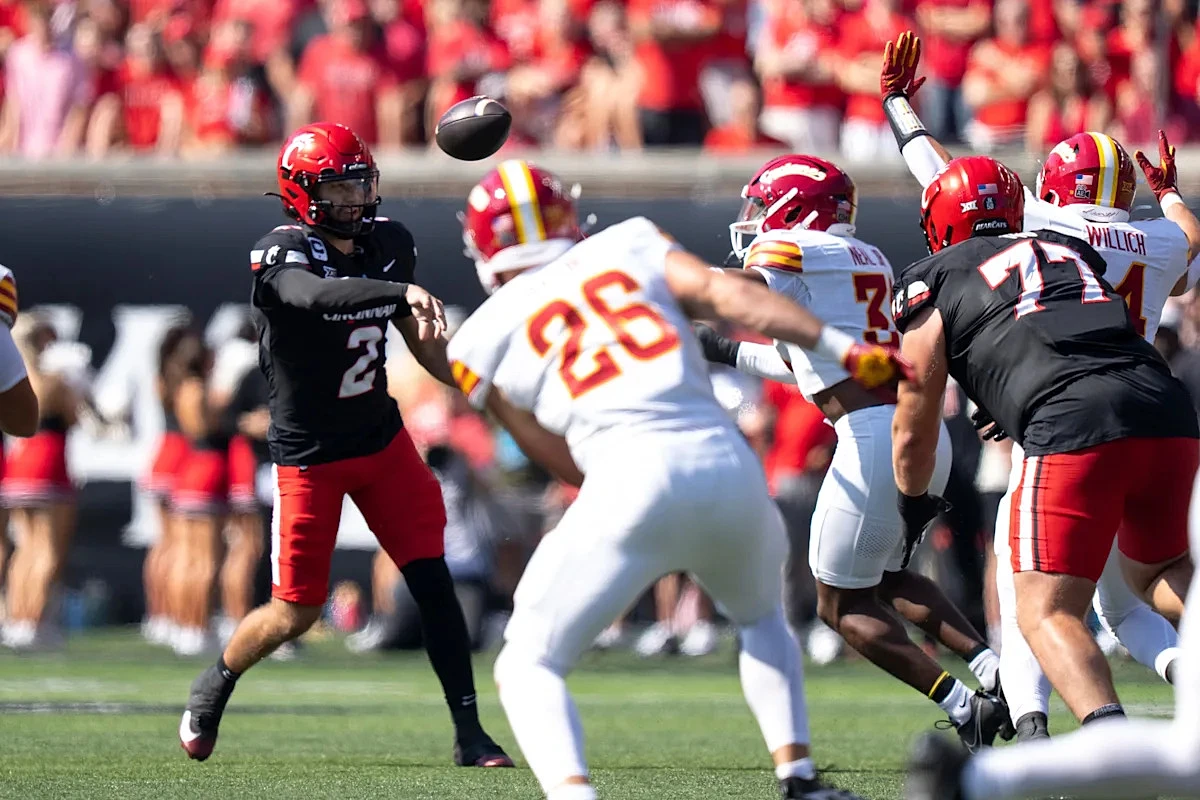
The college football landscape is buzzing with a developing story that could have major implications for player eligibility and the NCAA's gambling policies. Former Cincinnati Bearcats quarterback Brendan Sorsby, who is now at Texas Tech, has taken a significant step by hiring high-profile attorney Jeffrey Kessler to protect his college eligibility.
This move comes amid an NCAA investigation into Sorsby's alleged use of a gambling app. While Sorsby hasn't officially lost his eligibility yet, the stakes couldn't be higher. If the investigation uncovers evidence of illegal gambling on football—similar to recent cases at Indiana—the result could be a permanent ban from college athletics.
The University of Cincinnati has stated they had no knowledge of any gambling involvement by Sorsby during his time there. Sources close to the program emphasize that they wouldn't have played someone engaged in illegal betting. It's worth noting that NCAA rules allow student-athletes to bet on sports where the organization doesn't sponsor a championship, like MMA, NASCAR, or horse racing.
The specific issue here appears to be Sorsby betting on Cincinnati Reds games through a gambling app. The Big 12 Conference partners with ProhiBet, an app designed to be installed on athletes' phones to monitor betting activity. While players could potentially use a different phone to bypass this system, no such workaround has been confirmed in this case.
Kessler is no stranger to high-stakes college sports cases. He was instrumental in the landmark House vs. NCAA case, which paved the way for revenue-sharing agreements between schools and athletes. That case led to Power Four conferences setting aside $10.5 million annually for athlete compensation—a figure that some deep-pocketed programs have already exceeded.
Texas Tech is one such program, reportedly paying up to $5 million for Sorsby's services. This makes the eligibility stakes even higher, as the quarterback has already benefited from the new financial landscape in college athletics.
If Kessler's efforts fail and Sorsby is declared ineligible, there's a potential backup plan: entry into the NFL Supplemental Draft. The league would review his application and determine if he's eligible to bypass the traditional draft process. This scenario would mark another twist in an already complex story that continues to evolve at the intersection of college athletics, gambling regulations, and player compensation.