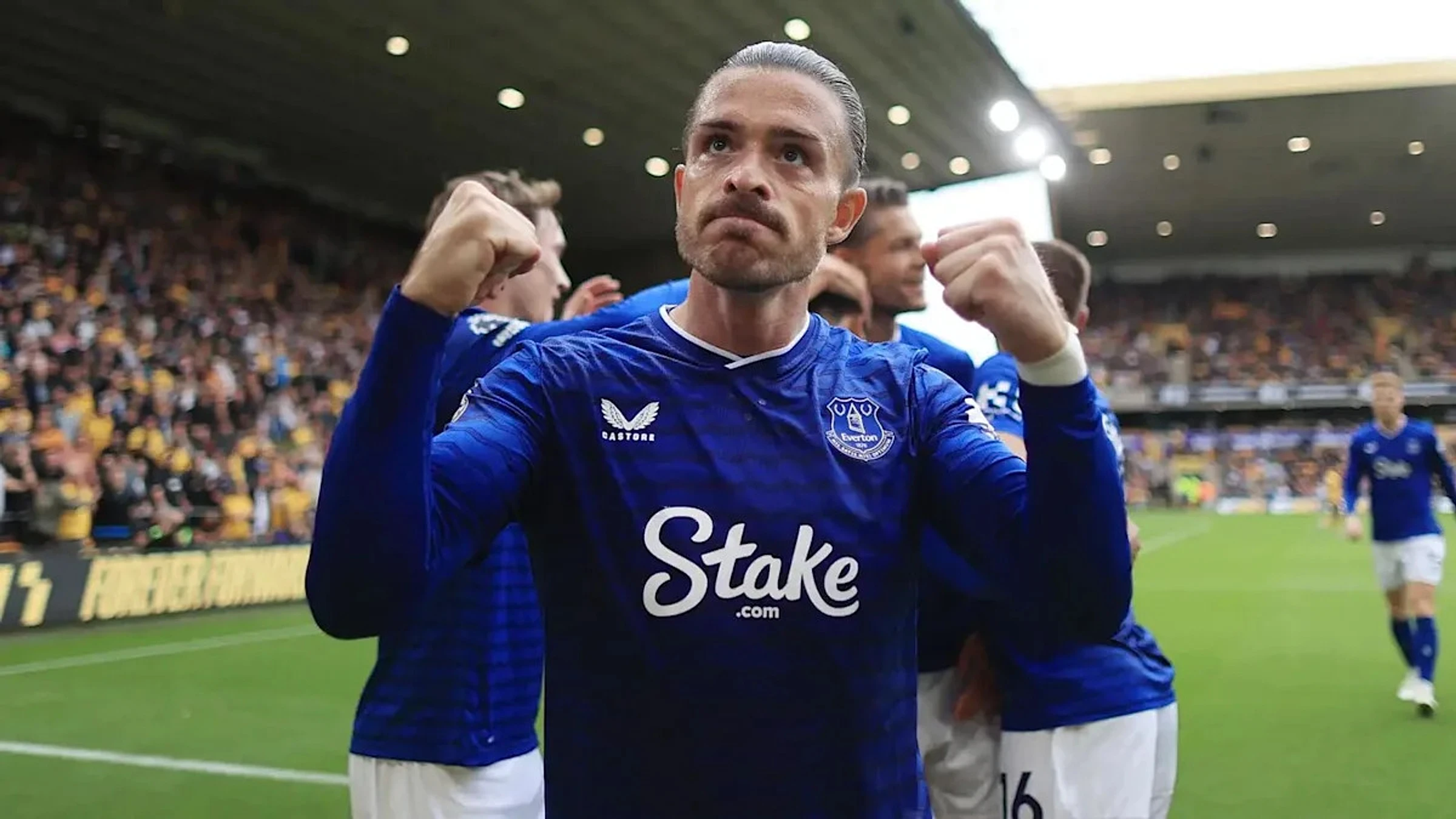
When Jack Grealish put pen to paper on a season-long loan at Everton, he quickly became a fan favorite at Goodison Park. His dazzling footwork and creative flair lit up the pitch, earning him the Premier League Player of the Month award for August after an electrifying start. With two goals and six assists before January, the 30-year-old even sparked talk of a potential World Cup squad spot this summer.
But football can be cruel. A foot stress fracture suffered during the 1-0 win over his former club Aston Villa in January required surgery, sidelining the winger for the foreseeable future. Since then, Everton manager David Moyes has had to adapt, leaning on other options like Dwight McNeil, Tyrique George, and Tyler Dibling to fill the creative void.
The shift in tactics has been telling. Moyes, known for his cautious approach with young talent, has largely favored McNeil for starting duties. Meanwhile, George—on loan from Chelsea with a £25 million buy option—and Dibling, who is under contract until 2029, have seen limited game time. While both are viewed as part of Everton's long-term project, their sparse appearances raise questions about their development and future at the club.
Now, the big question looms: Is a permanent move for Grealish necessary? His loan deal includes a £50 million option to buy, but given Everton's current squad needs and other transfer priorities, that price tag feels steep. Even a reduced fee carries risk, especially considering Grealish's wages—reportedly £300,000 a week, with Everton covering around 75% (£225,000). At 31 this September, his age makes a long-term investment uncertain.
With Dibling already locked in and George's buy option pending, Everton must weigh short-term impact against long-term planning. Grealish's magic on the pitch is undeniable, but the numbers suggest the club might be better served focusing on younger, more sustainable options. For now, the Toffees are progressing without their star loanee—and the decision on his future could define their next chapter.