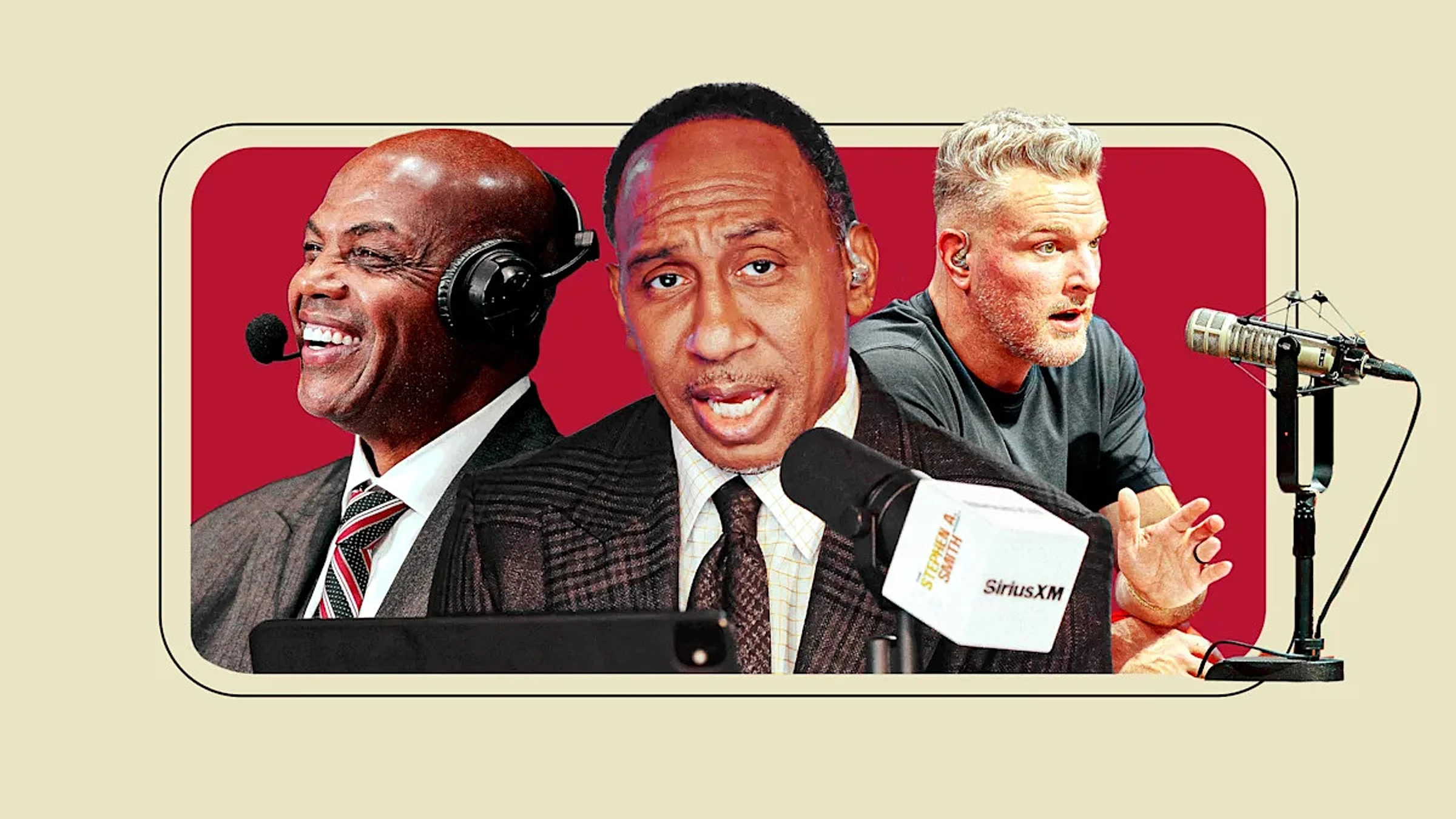
Remember when sports leagues would send takedown notices to fans for posting highlight clips online? Those days are long gone. Today, we're living in what industry insiders call "the clipping economy" — a world where brands pay amateur editors by the view to chop up long-form content into snackable videos.
As platforms like YouTube, TikTok, and Instagram Reels dominate how we consume media, entertainers everywhere are building armies of "clippers" to transform shows, songs, and interviews into bite-sized gold. Even media giants are adapting: Netflix and Amazon Prime Video now have vertical video feeds, The New York Times offers a watch tab, and Peacock serves up unscripted Bravo "microdramas." A recent YouGov poll revealed that 70% of 16-to-24-year-olds watch show or movie clips on social media instead of the full version.
Business analyst Ed Elson summed it up perfectly: "Clips are no longer the byproduct of the main product — they're the main product. Legacy media has only one path forward: win the clip economy."
But here's the thing — one media giant never needed to pivot. ESPN has been dominating this space long before it became a trend.
The longtime "worldwide leader in sports" just crossed 100 billion views on YouTube while maintaining the largest U.S. brand account on TikTok with nearly 58 million followers and over 5 billion likes. ESPN understood early on that new generations of fans wouldn't necessarily tune into traditional TV channels for their sports fix. Instead, the network knew it had to bring the action directly to where fans were already scrolling.
Today, ESPN staffers watch every premier show with a keen eye for moments that could explode on YouTube — whether as vertical snippets, short horizontal clips, or longer segment uploads. It's a strategy that's turned highlight reels into a multi-billion-view empire, and for sports fans and apparel lovers alike, it means never missing that game-changing dunk or walk-off home run again.