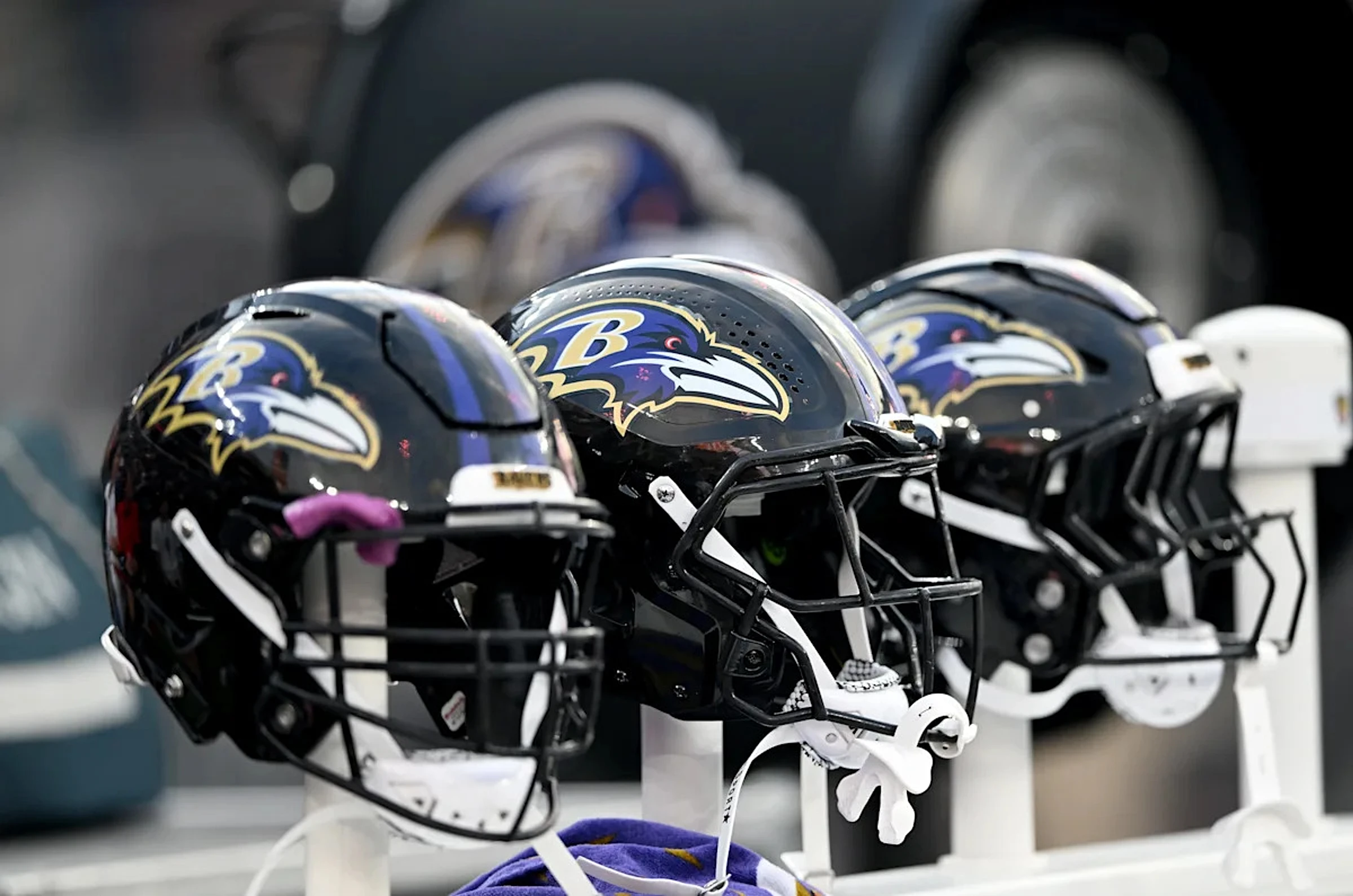
The Baltimore Ravens have been busy this offseason, and it's hard not to be impressed. From a tougher offensive line to a more explosive pass rush and a defense that looks deeper, faster, and more in sync with coordinator Jesse Minter's vision, general manager Eric DeCosta and his staff have checked a lot of boxes. They attacked weaknesses in free agency and the 2026 NFL Draft with the kind of precision that gets fans excited. But even after all that work, one nagging question remains: What's the plan at center?
No matter how much buzz surrounds newcomers like Olaivavega Ioane or the impact of Trey Hendrickson, analysts keep circling back to the same concern. Who steps in for Tyler Linderbaum after his departure to the Las Vegas Raiders? It's the kind of hole that can unsettle even the most promising roster.
To be fair, the Ravens made clear strides at guard. Replacing Daniel Faalele and Andrew Vorhees with Ioane and John Simpson isn't just an upgrade—it's a transformation. Baltimore's interior line is now more athletic, more physical, and arguably more dependable. What once looked like a glaring weakness may quietly become a strength. Yet, the center position still casts a long shadow over everything. And honestly, it should.
Many expected the Ravens to address the center spot during the NFL Draft, but when the picks came and went without a move, the silence was deafening. Whether the draft board didn't fall their way or the team has more faith in internal options than outsiders realize, the result is the same: Baltimore heads into training camp without a proven replacement for a former All-Pro anchor.
That uncertainty recently resurfaced when ESPN's Aaron Schatz weighed in on each team's biggest remaining roster need. For the Ravens, the verdict was clear. Despite all the optimism, the center position remains a projection more than a certainty—and that's a risk no team wants to take with the season approaching.