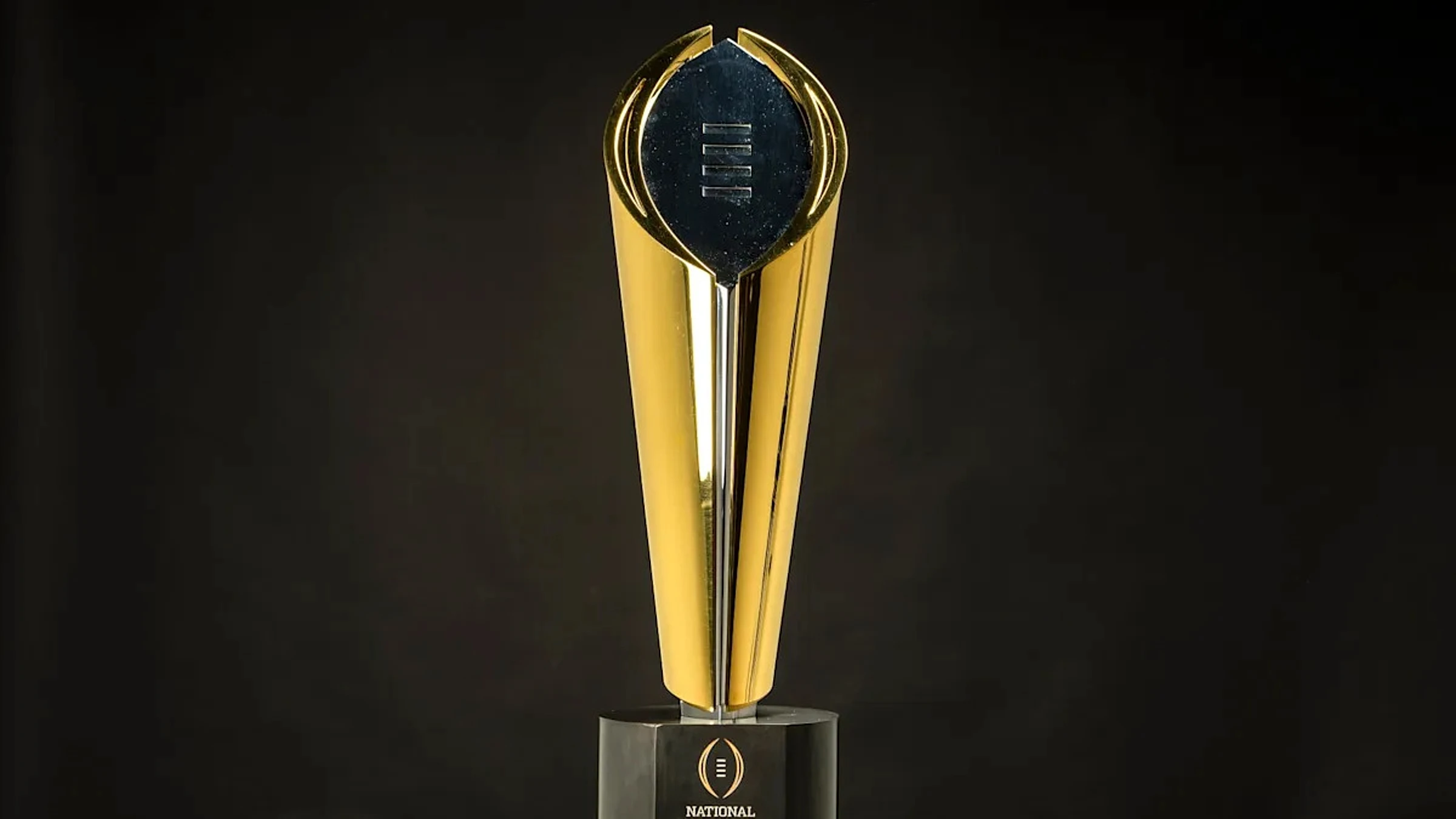
The College Football Playoff (CFP) is at a crossroads, with coaches pushing for a massive expansion from 12 to 24 teams—but one of the sport's biggest broadcast partners isn't on board. ESPN, which televises the playoff and most bowl games, has drawn a line in the sand: no more than 16 teams.
ACC Commissioner Jim Phillips dropped that bombshell on Wednesday, citing ESPN's preference to cap the field. It's a classic tug-of-war, with predictable stakes on both sides. Coaches love the idea of more teams in the playoff—especially when postseason bonuses are on the line. But for ESPN, expanding beyond 12 threatens to further erode the bowl system, which remains a key part of its programming lineup.
Expanding to, say, 24 teams would silence the annual complaints from the 13th-ranked team that got left out. But here's the catch: no matter how big the field gets, there will always be a first team on the outside looking in. The only way to truly kill the "snub" narrative is to include so many teams that even the best left-out squad wouldn't be considered a legitimate title contender. That, however, would inevitably water down the field with teams that have no business competing for a championship.
The playoff is undeniably an upgrade over the old BCS system, which relied on polls and computers to crown a champion. A bigger playoff also means more players might skip the business decision to sit out meaningless bowl games, keeping the focus on competitive football. But there's a trade-off: more games mean more wear and tear on athletes, and a higher risk of injury before they even get a shot at the pros.
Wherever the debate lands, one thing is clear: the playoff is heading toward expansion. The only question is how far it will go—whether it's two more teams, four, or a full dozen. For now, ESPN has drawn its line at 16, and the college football world is watching to see who blinks first.