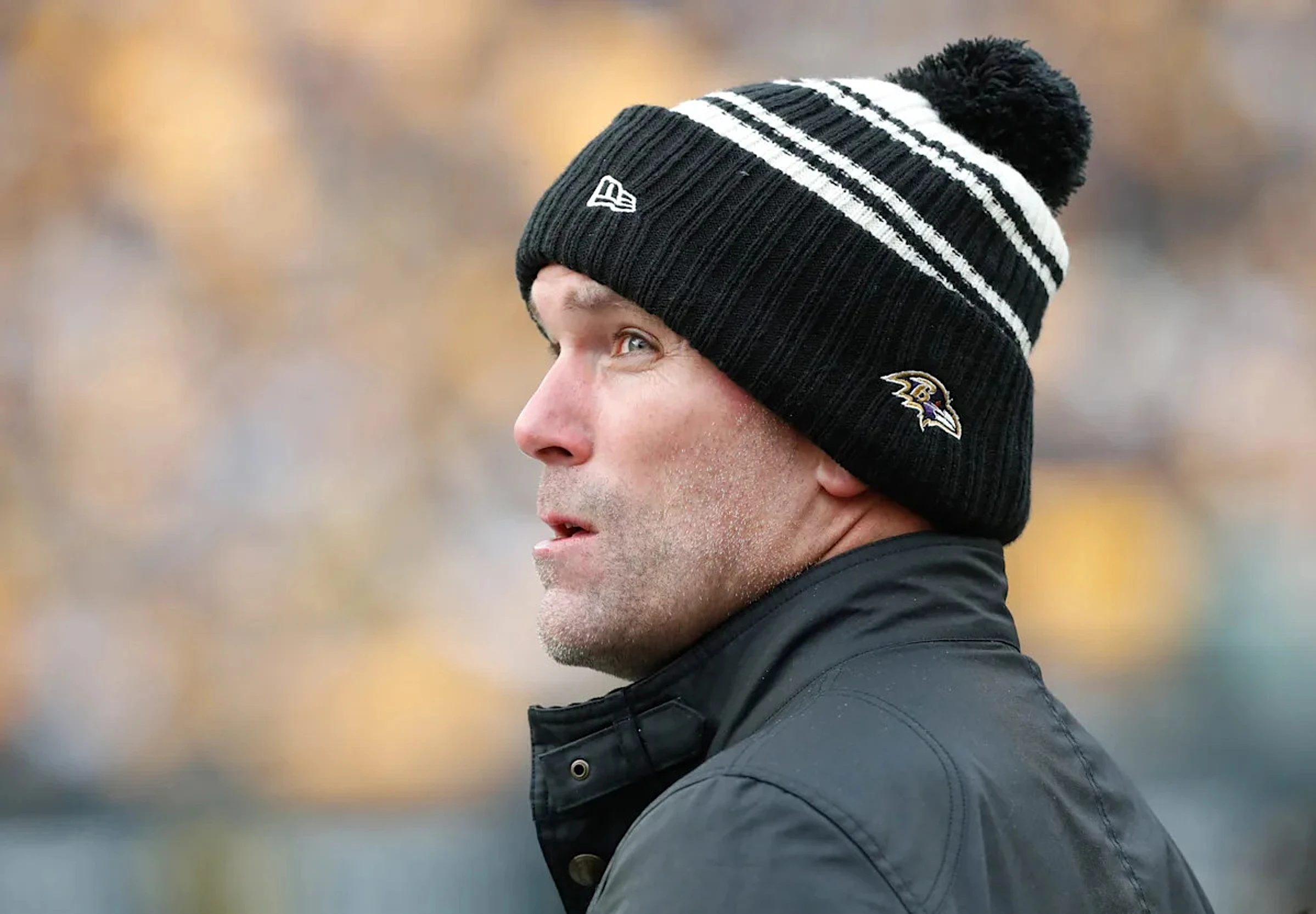
While fans see the 40-yard dash times and highlight reels, the real drama of the NFL Scouting Combine often unfolds behind closed doors in the medical examination rooms. Baltimore Ravens General Manager Eric DeCosta recently pulled back the curtain, calling medical evaluations the single most challenging part of the draft process. According to DeCosta, the landscape is shifting, with a growing number of prospects entering the league with significant injury histories, making it harder than ever to project long-term durability.
DeCosta described the emotional and logistical weight of this process, detailing the daily flood of medical updates teams receive at the Combine. "In a perfect world, you wouldn't be drafting players that have injuries," DeCosta admitted. He used the Ravens' third-round selection of offensive tackle Roger Rosengarten as a case study, noting the team was fully aware of his pre-draft surgery but believed his talent and fit were worth the calculated risk.
The reality, DeCosta explained, is that finding completely healthy players is becoming a rarity. "Players are getting older [in college], and more and more guys are having surgery, and more and more guys have medical concerns... it's gotten worse." This forces front offices into a delicate balancing act, relying heavily on team doctors and trainers to assess which types of injuries are manageable and which are red flags.
In today's physical game, where elite prospects have years of high-level wear and tear on their bodies, some level of past injury is almost a given. This reality shifts the evaluation focus. Teams aren't just looking for clean medical charts; they're searching for players with the mental toughness and personality to navigate pain, rehab, and the grind of an NFL season. For general managers like DeCosta, sifting through this complex medical puzzle has become a defining—and increasingly difficult—part of building a championship roster.