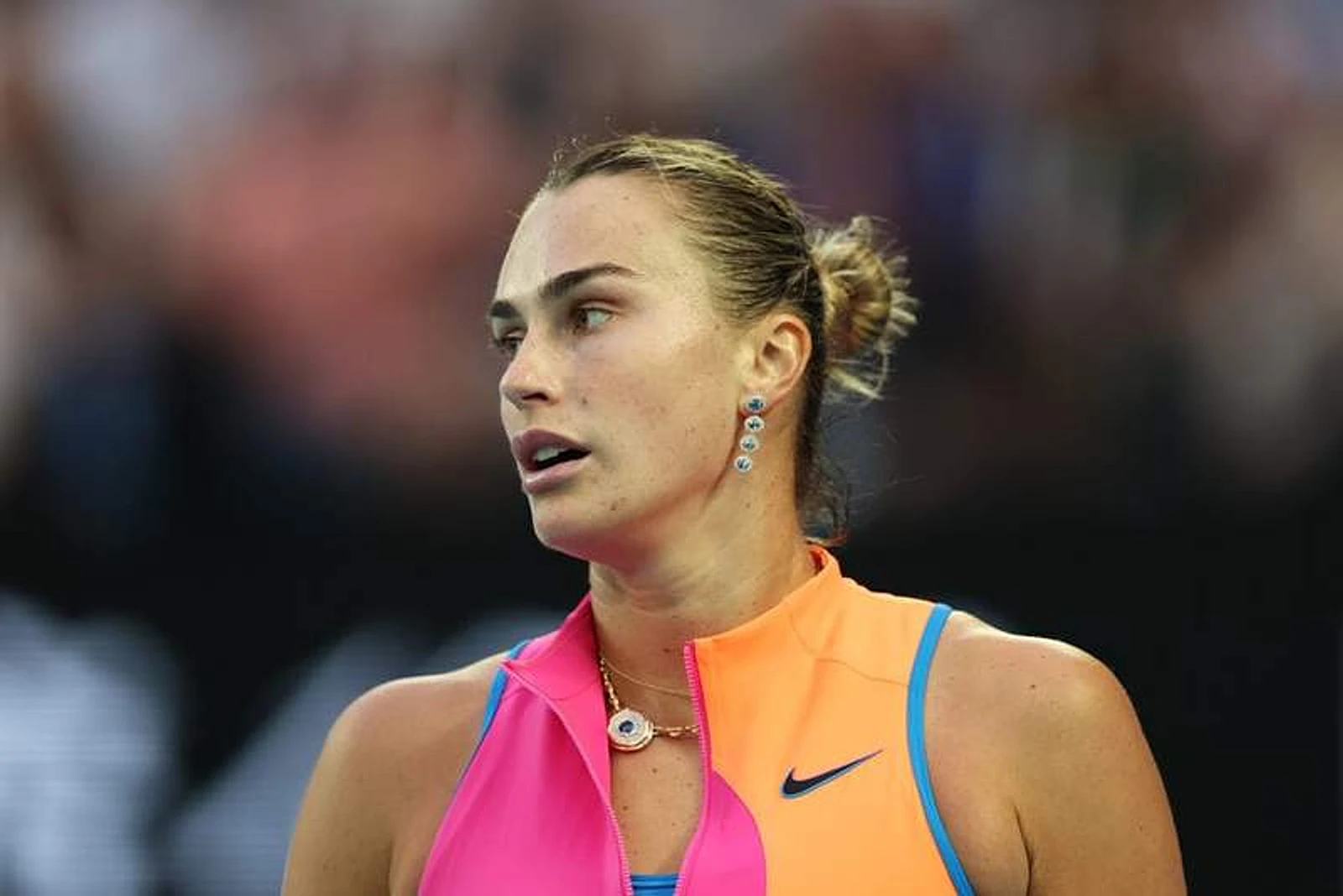
There's a growing storm brewing in the tennis world, and it could reshape the sport as we know it. The conversation around a potential Grand Slam boycott—once a distant rumor—is now gaining serious traction, with some of the biggest names in the game weighing in.
Aryna Sabalenka has been vocal about the possibility of players walking away from the majors, and Jannik Sinner has backed her up. That kind of momentum from top stars has turned heads, but not everyone is ready to sign on the dotted line. Emma Raducanu, for one, has already said she wouldn't support a boycott. Now, her former coach Mark Petchey has stepped into the ring with a more measured take—one that might surprise fans on both sides of the debate.
Speaking on the Tennis Channel, Petchey acknowledged the frustration but argued that the blame might be misplaced. "I think it's important to remember what the slams are doing," he said. "Look at Sabalenka last year: 58% of her prize money came from the majors. That's just 27 matches compared to the 75 she played all season. For the men's top 100, 62% of their prize money comes from Grand Slams, and that's only 14% of their play time."
Petchey's point is clear: the Grand Slams are already carrying a heavy load when it comes to player earnings. But he didn't let the tours off the hook either. "Can it be fairer? No question—there can be a fairer split of revenues at the majors. But you've got to look at the tours too, especially the 250s. $65,000 for a first-round loss at a 250? That's not a great number."
Former pro CoCo Vandeweghe chimed in, saying she "couldn't agree more" with Petchey's perspective. She emphasized that more pressure needs to be put on the tours rather than focusing all the attention on the majors, which have already been increasing their prize money.
This isn't a simple black-and-white issue. The financial divide in tennis has been simmering for years, and a boycott would be a seismic shift—potentially shaking the foundation of the sport. But with voices like Petchey and Vandeweghe calling for a more balanced approach, the conversation is far from over. For now, all eyes are on how the tours and the slams respond to a player base that's demanding change.