In the world of sports media, few stories have sparked as much debate as the recent scandal involving Dianna Russini and New England Patriots head coach Mike Vrabel. But according to Netflix personality Elle Duncan, it's time to stop framing this as a black eye for all women in sports journalism.
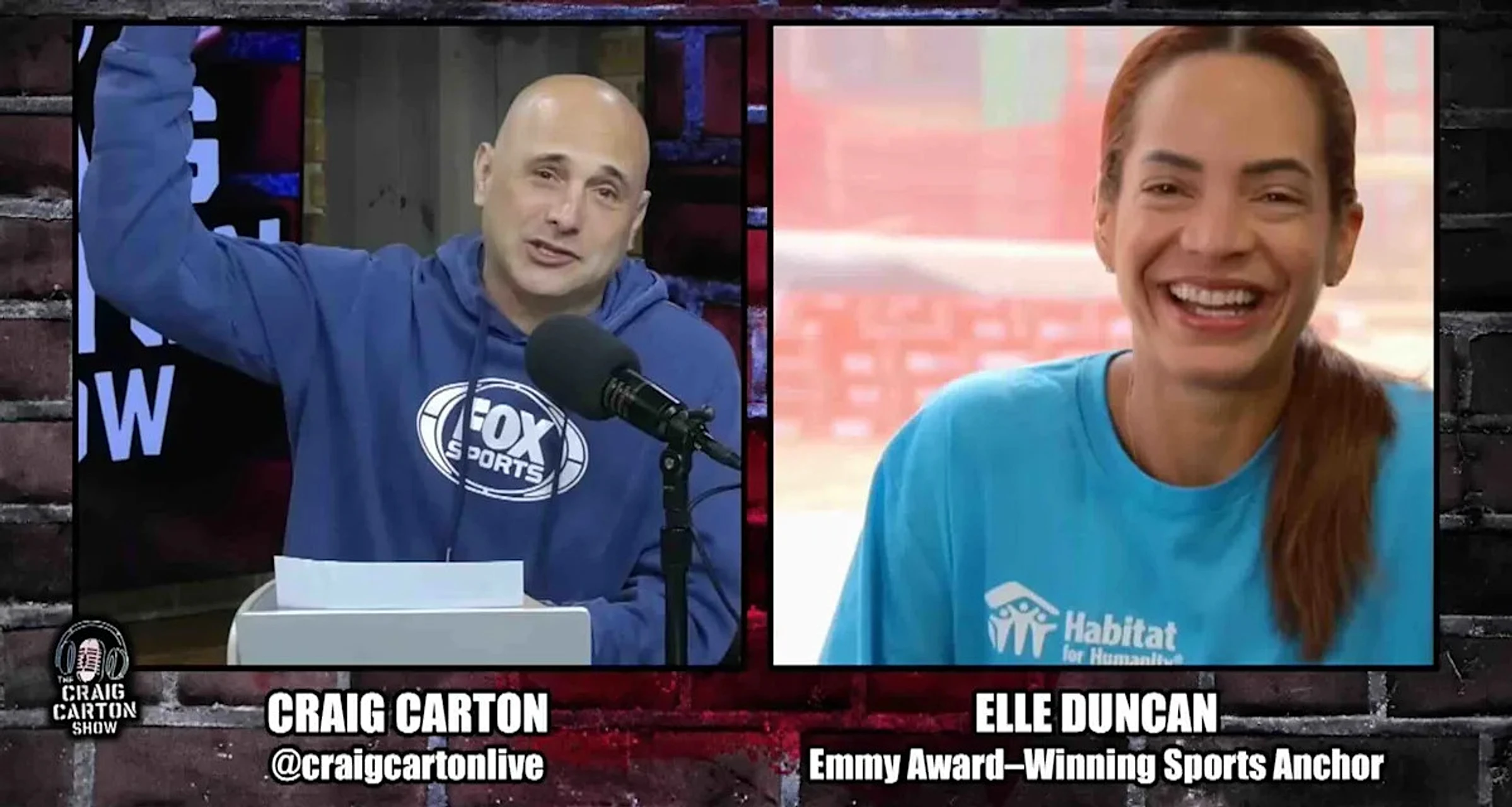
Appearing on The Craig Carton Show this week, Duncan pushed back hard against the notion that one controversial relationship should tarnish the credibility of every woman covering the NFL. The conversation erupted after reports surfaced of what appeared to be an inappropriate connection between Russini—then a reporter for The Athletic—and Vrabel. Carton voiced concern that younger women in the industry might now face even steeper uphill battles against outdated stereotypes.
"I actually disagree with you," Duncan told Carton directly. "The thing that's made me the most angry about this whole situation is somehow feeling like the actions of a couple are an indictment on all women and their opportunities to be taken seriously."
Her words cut to the heart of a frustration familiar to many women in sports: the double standard that holds an entire gender accountable for the choices of a few. Duncan didn't mince words about the deeper issue at play.
"If you are chauvinistic enough to associate the actions of one and apply them to all women, then you were never going to take a woman seriously anyway in her job," she said. "You were always going to minimize why she got that role."
Drawing from her own experience, Duncan explained that the criticism women face in sports media often predates any single scandal. "Well before Dianna Russini ever happened, I've had to face claims of DEI or getting my job because I'm hot or because I did nefarious things to get it," she said. "Those kinds of people will look for any opportunity to reduce you and minimize what you've done to get to that platform. This is just leverage to do more of that."
Her bottom line? "Any reasonable person would know that." In other words, the real problem isn't a reporter's mistake—it's the pre-existing bias that seizes on any excuse to undermine women's achievements. For fans and professionals alike, Duncan's perspective is a powerful reminder that credibility isn't a group project, and one person's actions don't define an entire profession. As the sports world continues to evolve, it's conversations like these that help clear the field for real progress.