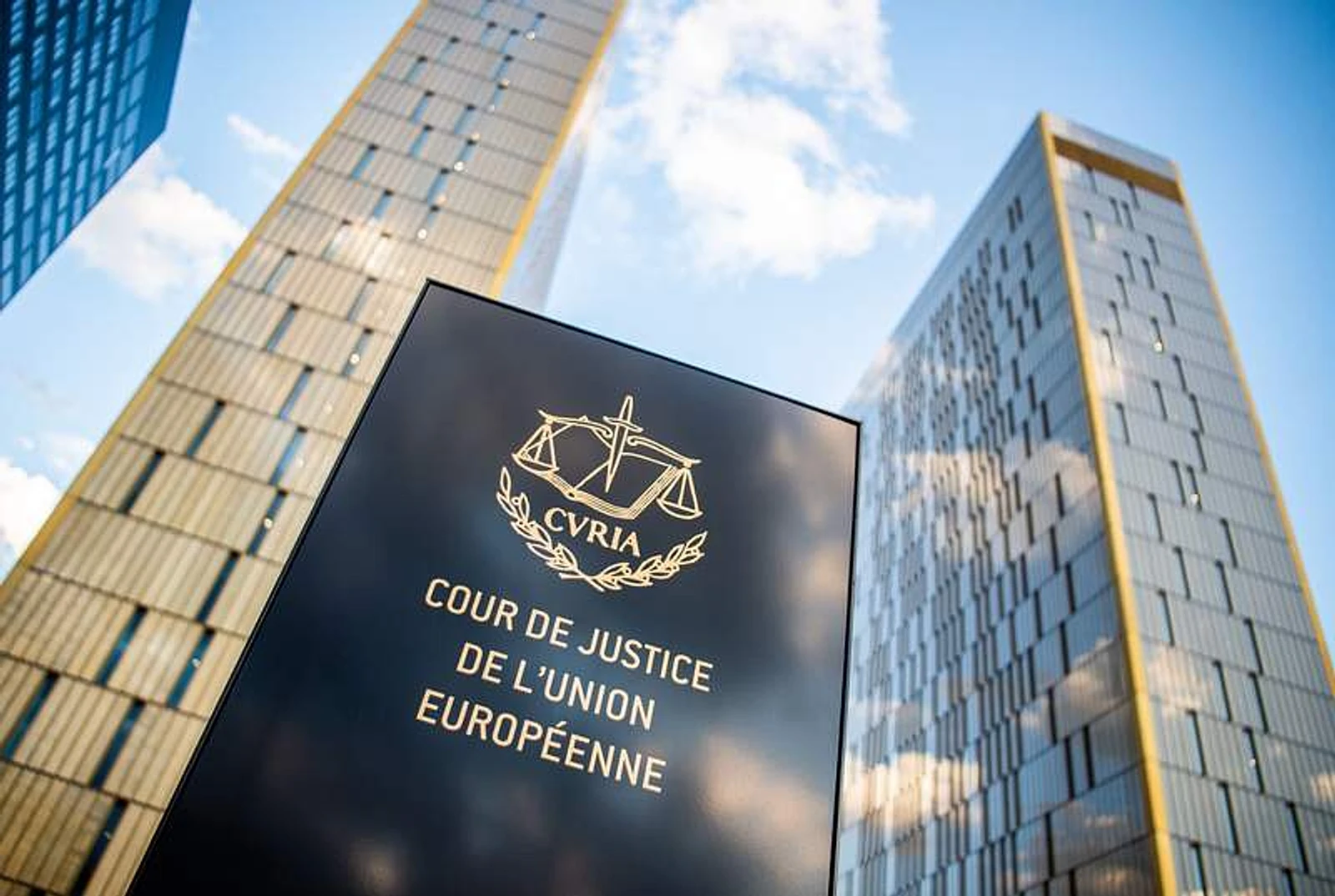
In a landmark ruling that could reshape the landscape of professional sports recruitment, the European Court of Justice (ECJ) has determined that a no-poaching agreement among Portuguese football clubs during the COVID-19 pandemic "can potentially be compatible" with European Union law. This decision, announced Thursday from the court's Luxembourg headquarters, strikes a delicate balance between competition concerns and the unique challenges faced by the sports world during a global crisis.
The case dates back to April 2020, when the chaos of the pandemic brought the 2019-20 season to a halt. As matches were suspended in March and later resumed behind closed doors from June onward, Portuguese league officials and clubs from both the top-flight Primeira Liga and the second division reached an unprecedented accord. They agreed not to sign players who had unilaterally terminated their contracts due to pandemic-related exceptional circumstances—a move designed to maintain roster stability during an uncertain time.
Portugal's competition authority viewed this differently, slapping the clubs with a violation of competition law in 2022. The clubs pushed back, and the case eventually landed before Portugal's Competition, Regulation and Supervision Court, which sought guidance from the ECJ on how EU law applies to such sports-specific agreements.
The ECJ's nuanced opinion acknowledges the tension at the heart of the matter. On one hand, the judges recognized that the agreement "constitutes a manifest restriction of a competitive parameter which plays an essential role in high-level sport," potentially impacting player salaries and transfer fees. On the other, they noted that it "pursued an aim objectively favourable to competition: that of ensuring stability of player rosters playing in the First and Second Divisions."
What makes this ruling particularly compelling is its context. The court emphasized that the agreement "occurred in the very specific context brought on by the COVID-19 pandemic, which had a fundamental impact on the functioning of the professional football sector." While acknowledging that a pandemic alone doesn't justify bypassing competition rules, the judges stressed that Portugal's courts must consider these unique circumstances when determining whether the agreement distorted competition.
For fans and athletes alike, this decision underscores how sports operate in a world apart from traditional business. Player movement is the lifeblood of football—it fuels rivalries, builds dynasties, and keeps the game fresh. But as the pandemic showed, sometimes stability must take priority over the transfer market's usual frenzy. The ECJ's ruling suggests that when extraordinary circumstances threaten the very structure of sporting competitions, creative solutions that balance competition with survival might just pass legal muster.
As the case heads back to Portugal's courts for a final decision, this ruling offers a fascinating glimpse into how European law adapts to the unique dynamics of professional sports—a reminder that in football, as in life, context is everything.