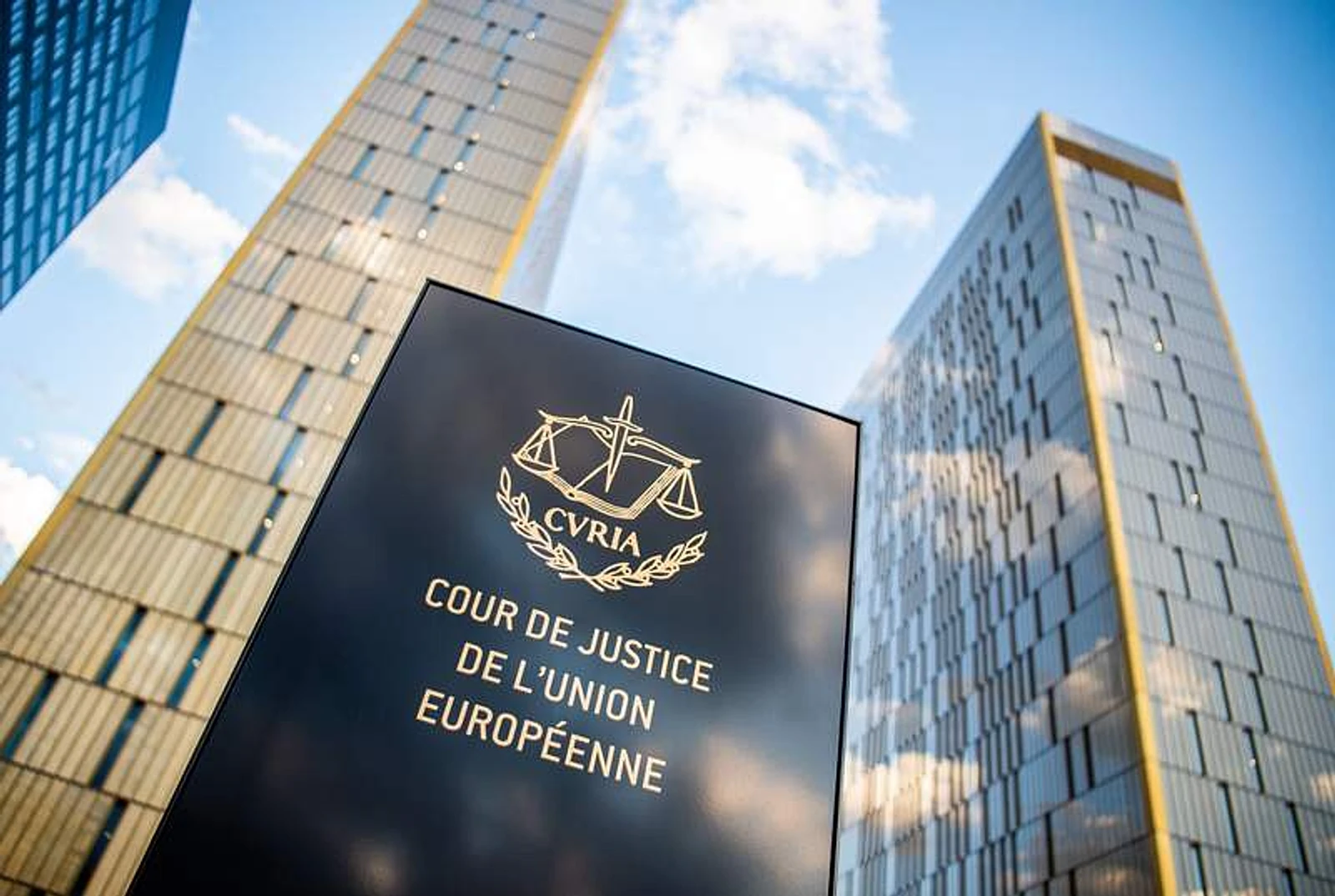
In a landmark ruling that could reshape football governance during crises, the European Court of Justice (ECJ) has determined that a no-poaching agreement among Portuguese first and second division clubs during the coronavirus pandemic "can potentially be compatible" with European Union competition law.
The case stems from the 2020 season suspension, when Portuguese football faced unprecedented uncertainty. In response, the Liga Portugal and clubs from both the Primeira Liga and Liga Portugal 2 struck a deal: they would not sign players who unilaterally terminated their contracts due to pandemic-related exceptional circumstances.
The ECJ, based in Luxembourg, acknowledged the agreement's dual nature. While it pursued "an objectively anticompetitive aim in recruitment," the court noted it also served "an aim objectively favourable to competition: that of ensuring stability of player rosters." This balance between protecting competitive integrity and maintaining player movement rights lies at the heart of the decision.
The controversy began when Portugal's competition authority ruled in 2022 that the agreement violated competition law. Clubs challenged this decision, sending the case to Portugal's Competition, Regulation and Supervision Court. That court then sought guidance from the ECJ on how EU law should apply in this unique sports context.
For football fans and industry observers, this ruling highlights the delicate dance between maintaining competitive balance and adhering to free-market principles. The ECJ stopped short of giving the agreement a blanket approval, instead sending the matter back to the Portuguese court to determine whether the agreement's primary "object" was to restrict competition. The Portuguese court must now weigh these factors, considering the extraordinary circumstances of the pandemic.
For sports apparel brands and retailers, this case underscores how off-field governance decisions can impact team stability and, ultimately, the products fans wear with pride. When rosters remain stable through crises, team identity—and merchandise sales—often benefit from continuity.