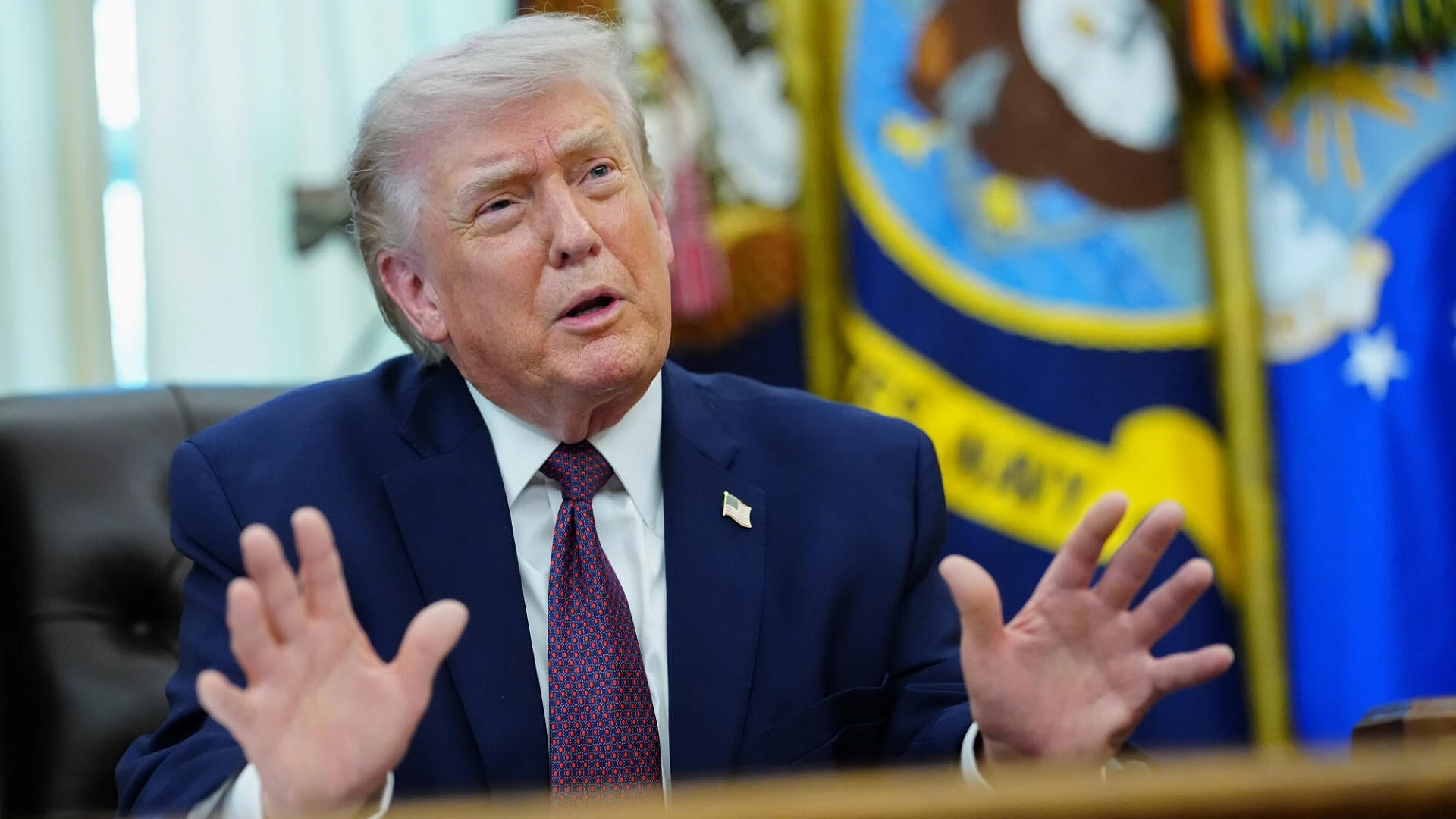
When President Trump signed an executive order last week aimed at "Saving College Sports," the reaction inside the sport's most powerful offices was less a roar of approval and more a collective shrug. One SEC general manager admitted he couldn't help but laugh when he read it.
Almost immediately, his phone started ringing with calls from anxious coaches. They all wanted to know the same thing: what does this actually change for our program right now? The blunt answer, echoed by administrators across the country, is very little—unless Congress takes action or the courts decide to uphold it.
"It's just going to lead to more lawsuits and BS," the GM told CBS Sports. "It changes absolutely nothing to me. The coaches were like, 'What do you mean, it's an executive order?' But it doesn't do anything. The most powerful man in the world issues something and you're like, whatever. That's what this sport has become."
The order, issued on Friday, directs federal agencies to push for reforms in key areas like athlete transfer rules, eligibility standards, and compensation. It also carries a stick, threatening to strip federal grants and contracts from schools that don't comply with NCAA regulations. However, an executive order can't rewrite the NCAA's rulebook or instantly create new federal law; it can only guide how existing agencies enforce policy.
On paper, the proposed changes would be seismic for the collegiate landscape. They aim to standardize the one-time transfer exemption, clarify eligibility limits, and create a framework for athlete compensation—all while trying to rein in the rapidly escalating financial arms race. In recent years, top football rosters have ballooned from roughly $10 million to over $40 million in value, fueled by unregulated name, image, and likeness (NIL) deals and a wave of litigation that has left the NCAA struggling to enforce its own rules.
When asked if he believed the order would make a tangible difference, one Big 12 general manager responded with a mix of hope and skepticism: "God, I hope so."
That skepticism is widespread. Sources across the sport expressed serious doubt that the order would survive inevitable legal challenges. Courts have already forced the NCAA's hand on issues like the one-time transfer rule, and eligibility limits continue to be contested nationwide. The case of Ole Miss quarterback Trinidad Chambliss, who successfully sued for a sixth season of eligibility, is just the latest high-profile example of the NCAA's weakening authority.
For now, the executive order reads less like an immediate game-changer and more like a political statement—a wish list that highlights the urgent issues in college sports without providing the enforceable power to solve them. As the legal and legislative battles continue, the on-field product remains as compelling as ever, a testament to the athletes and coaches who perform despite the constant uncertainty swirling in boardrooms and courtrooms.