The debate over college football's top conference is about to get a definitive answer. For nearly two decades, the SEC's dominance has been validated by the NFL Draft, producing more professional talent year after year. That era of unquestioned supremacy is facing its strongest challenge yet.
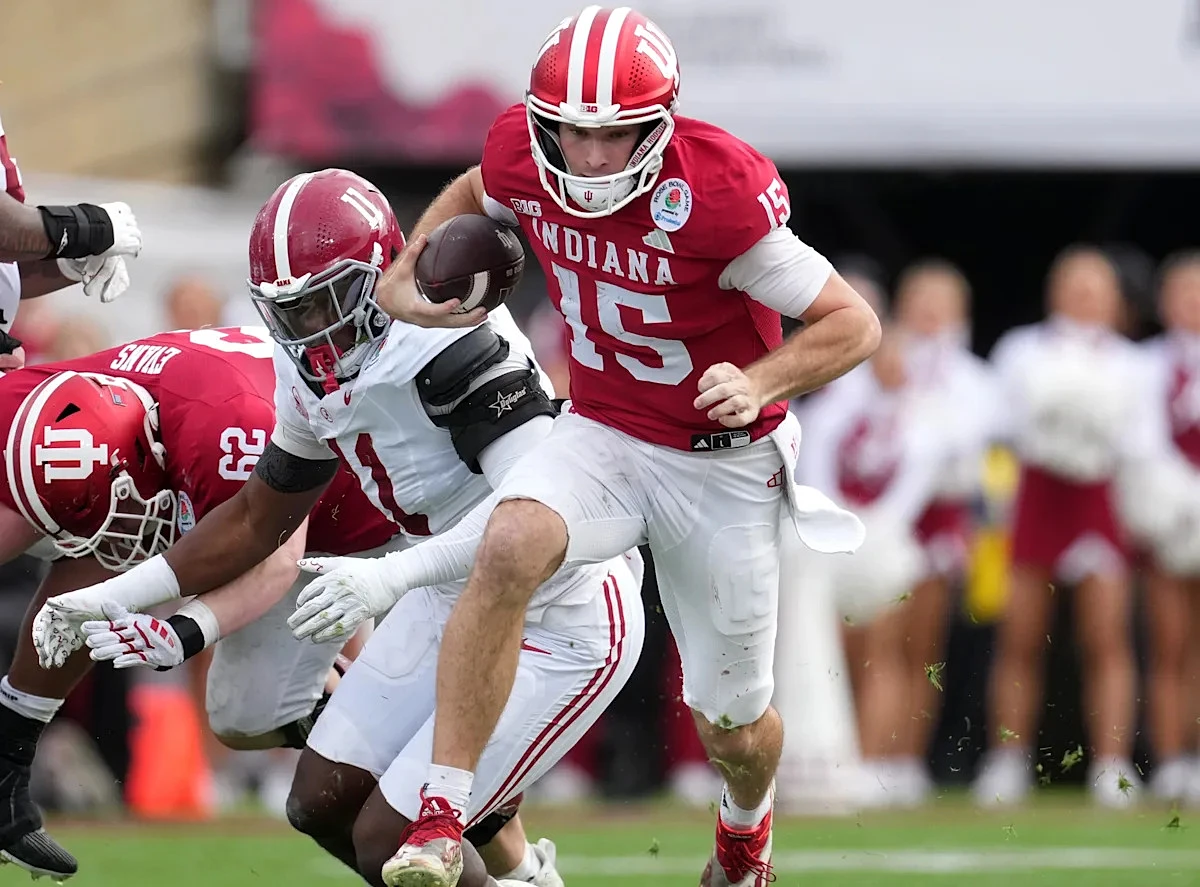
The surging Big Ten, fresh off three consecutive national championships from three different teams (Michigan, Ohio State, Indiana), has fundamentally altered the landscape. If the SEC's absence from the last three title games wasn't proof enough, the 2026 draft is poised to be the ultimate indicator of a seismic power shift.
This isn't just about on-field success translating to draft hype. It's about a pipeline of elite talent. The projected first round tells a compelling story, with Big Ten stars like Ohio State's Arvell Reese and Caleb Downs, alongside Indiana's Fernando Mendoza and Omar Cooper Jr., positioned to hear their names called early. This influx of top-tier prospects from the Midwest signals that the conference's developmental machine is now operating at an SEC level.
While traditional powers from the SEC and ACC will still feature prominently, the density of Big Ten talent at the top of the board is the key takeaway. The draft is the ultimate talent audit, and the audit results for 2026 suggest the balance of power in college football has officially tilted. The Big Ten isn't just competing for championships; it's now producing the NFL-ready athletes to prove it's the nation's premier conference.