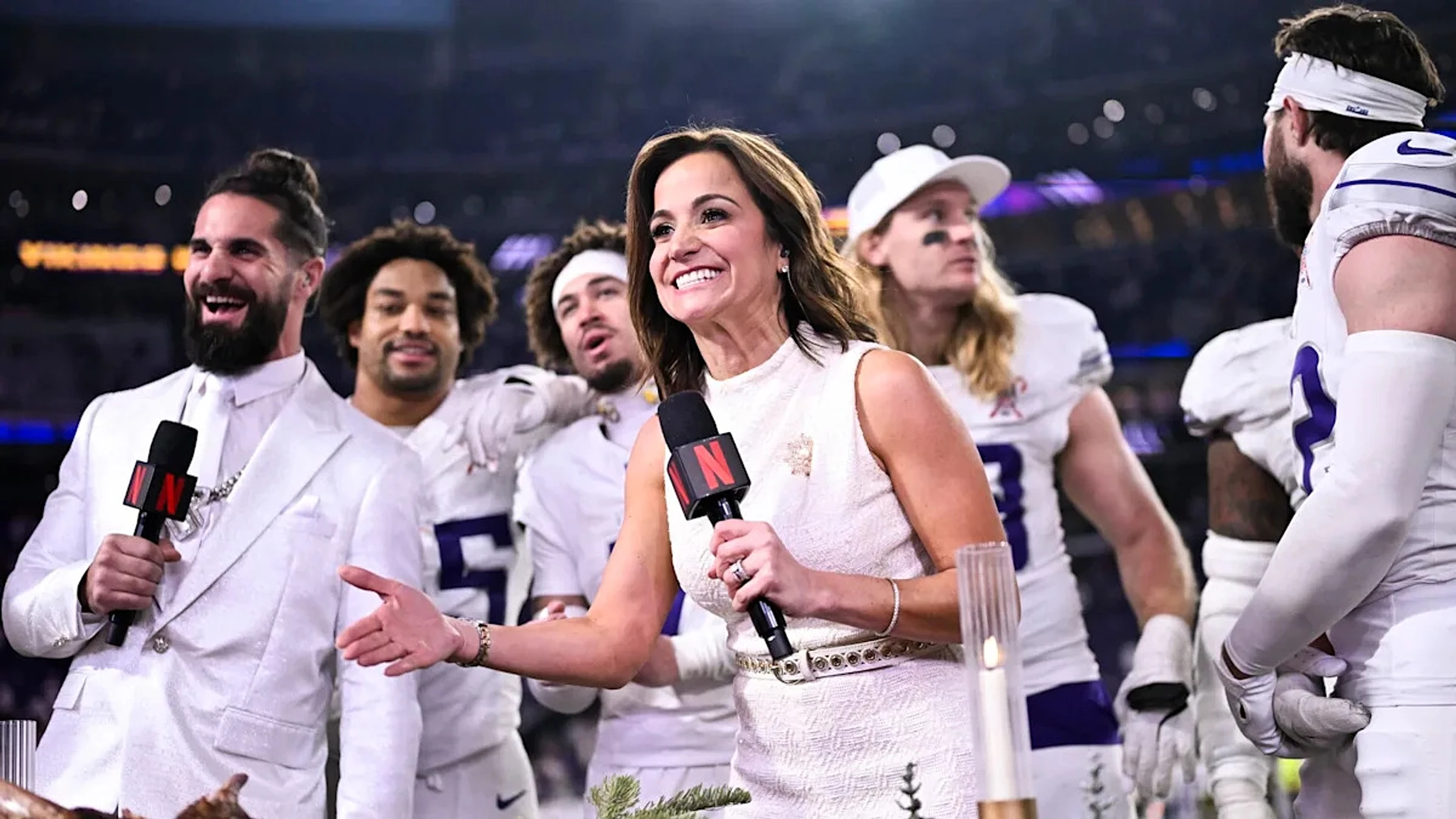
The NFL's offseason drama took an unexpected turn this week, centering not on a player trade or contract dispute, but on a social media firestorm involving a prominent reporter. The core of the story revolves around photos and subsequent denials linked to New England Patriots coach Mike Vrabel and New York Times reporter Dianna Russini, a situation that has dominated sports media conversations.
While interpretations of the events vary, the fallout has been immediate and severe, particularly for Russini's professional presence. The incident has sparked intense debate and cast a shadow over her reporting, highlighting the precarious nature of being a public figure in the digital age.
Attempting to resume normalcy, Russini returned to Twitter on Thursday with a routine post about NFL officiating negotiations. The response, however, was a brutal wave of toxicity, amassing thousands of hateful replies almost instantly. For an NFL insider whose role depends on breaking news and engaging on the platform, this presents a serious professional dilemma.
While internet scandals often fade, the uniquely personal nature of this situation and the polarized reactions to NFL insiders suggest this controversy may have a longer tail. It raises a critical question for any public-facing professional: how do you navigate your essential digital workspace when it becomes hostile territory? The saga underscores that in today's sports media landscape, the game isn't only played on the field—it's fought in the trenches of social media, where the rules are unpredictable and the hits can come from anywhere.