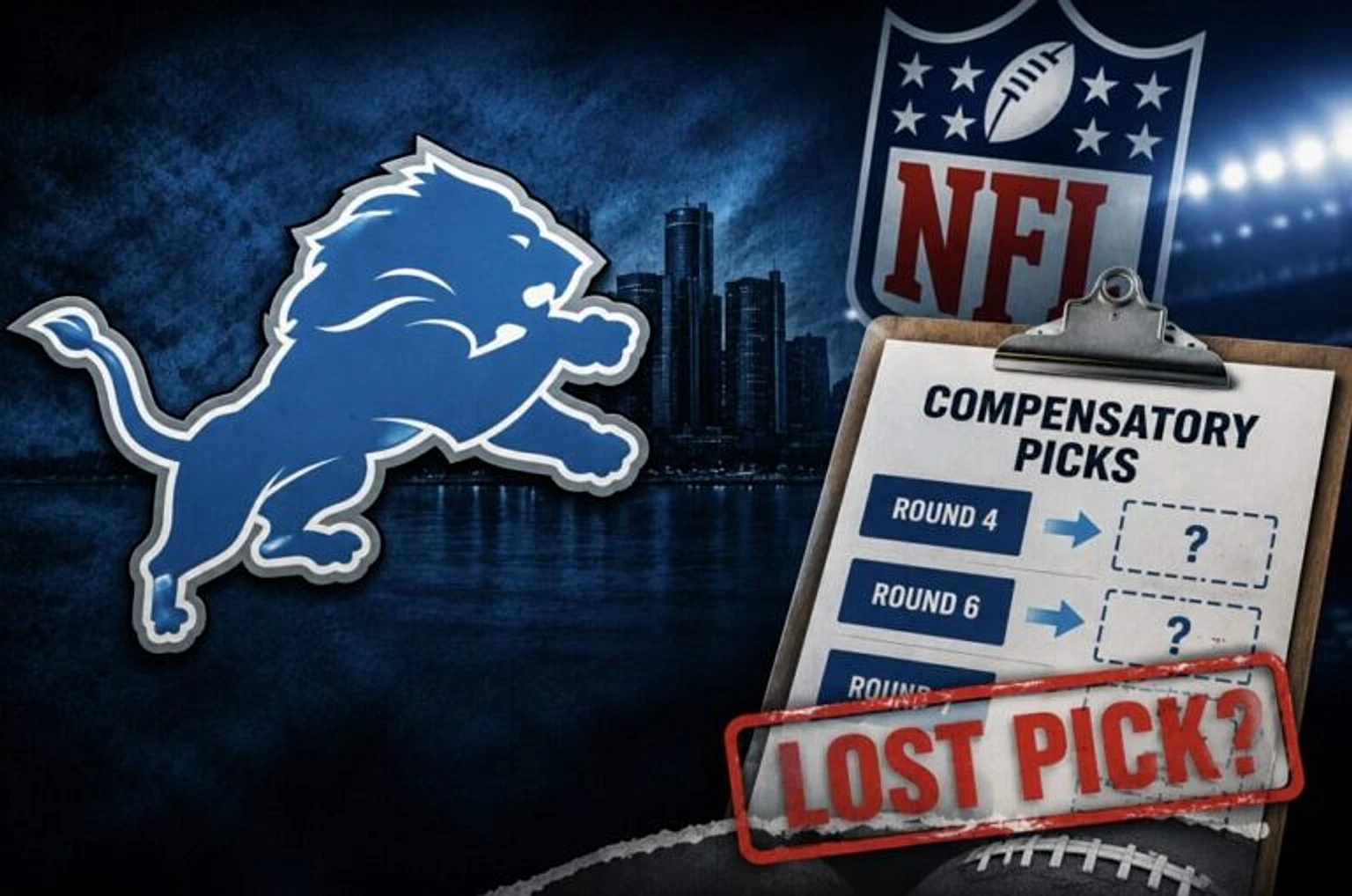
The Detroit Lions may have lost more than just a key defensive piece this week. According to a detailed report from Pride of Detroit, the Lions also missed out on valuable draft compensation due to what many are calling a major loophole in the NFL's compensatory pick formula. And honestly? It's hard to argue against that point.
The NFL created compensatory picks to help teams recover after losing key free agents. In theory, the system rewards organizations that lose more talent than they add by handing out extra draft selections the following year. It's a way to keep the competitive balance in check, especially for teams that develop players only to see them walk in free agency.
Here's where it gets tricky: once the NFL Draft ends, any free-agent signings no longer count toward the compensatory formula. That means teams can wait until after the draft to sign players without negatively impacting their projected compensatory picks. And that is exactly where the Giants and D.J. Reader situation becomes controversial.
Reader officially agreed to a two-year, $12.5 million deal with the New York Giants shortly after the NFL Draft concluded. On the surface, that timing might not seem unusual. Veterans often wait until after the draft to evaluate roster situations or avoid offseason programs. But a closer look reveals some telling details that make this case feel different.
Reader reportedly visited the Giants on April 13, roughly 10 days before the draft. Not long after that visit, reports surfaced suggesting New York was already expected to sign him. The deal was finalized only after compensatory pick calculations no longer applied—a move that has raised eyebrows across the league.
According to the report, the Lions are currently projected to receive two sixth-round compensatory picks in 2027. If Reader's departure had counted within the formula, Detroit potentially could have added another sixth-round selection. Instead, the Lions receive nothing additional for losing a productive veteran defensive tackle who was a key part of their defensive line rotation.
As Reisman explained, New York is currently projected to earn a fourth-round compensatory pick after wide receiver Wan'Dale Robinson signed a lucrative deal with the Titans. If Reader's contract had counted against the formula, that projected pick likely would have dropped. In other words, the Giants had every incentive to wait—and they did.
For Lions fans, this feels like another case of the rules working against a team that's trying to build through the draft. While the compensatory pick system is designed to help teams that lose talent, loopholes like this one can leave organizations empty-handed when their players sign elsewhere. It's a reminder that in the NFL, timing isn't just everything—it's also a strategic weapon.