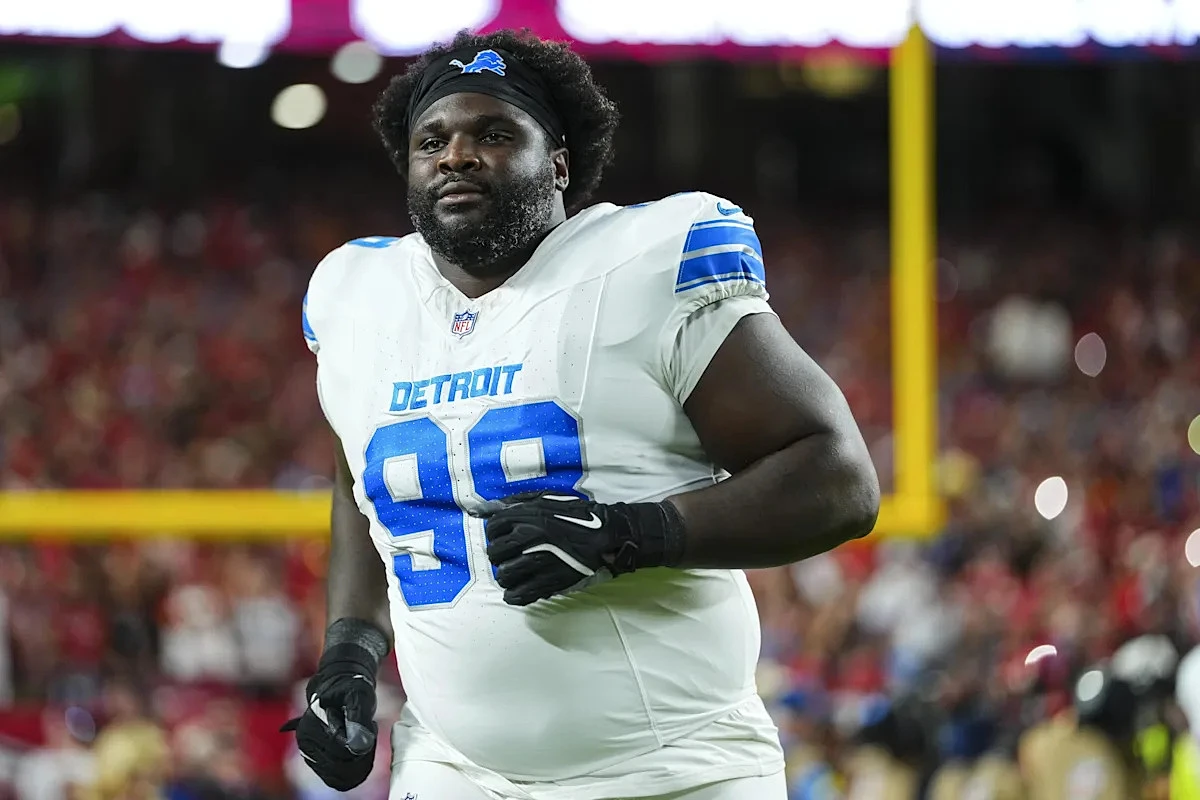
The NFL's compensatory pick system was designed to level the playing field—rewarding teams that lose more talent in free agency than they acquire with extra draft capital. It's a noble idea in theory, but in practice, the formula is a tangled mess of contract values, snap counts, and timing loopholes. And this year, the Detroit Lions found themselves on the wrong side of a broken rule that's begging for a fix.
Here's the rub: Once the NFL Draft wraps up on Monday, any free agent signings made after that date no longer count toward the compensatory pick formula. What was likely intended as a grace period for veteran players looking for a late-career home has turned into a strategic loophole—and the New York Giants may have exploited it at the Lions' expense.
On Tuesday, just days after the draft, the Giants inked former Lions nose tackle DJ Reader to a two-year, $12.5 million deal. On the surface, it's not unusual for a veteran like Reader to wait until after the draft to sign—players often want to see which teams offer the clearest path to playing time or simply prefer to skip offseason workouts. But dig a little deeper, and the timing raises eyebrows.
Reader visited the Giants on April 13—a full 10 days before the 2026 NFL Draft. Almost immediately, reports surfaced that New York was expected to sign him. While it's possible Reader wanted to see how the Giants' draft unfolded (they waited until the sixth round to pick a nose tackle), the more likely scenario is that both sides deliberately held off until after the draft to sidestep the compensatory pick rules.
For the Lions, this isn't just a minor inconvenience—it's a direct hit to their ability to recoup value for a player they developed and lost. The compensatory pick formula is already notoriously complex, but when teams can game the system by simply waiting a few extra days, it undermines the entire purpose of the program. If the NFL wants to maintain fairness in free agency, it's time to close this loophole before more teams follow the Giants' playbook.