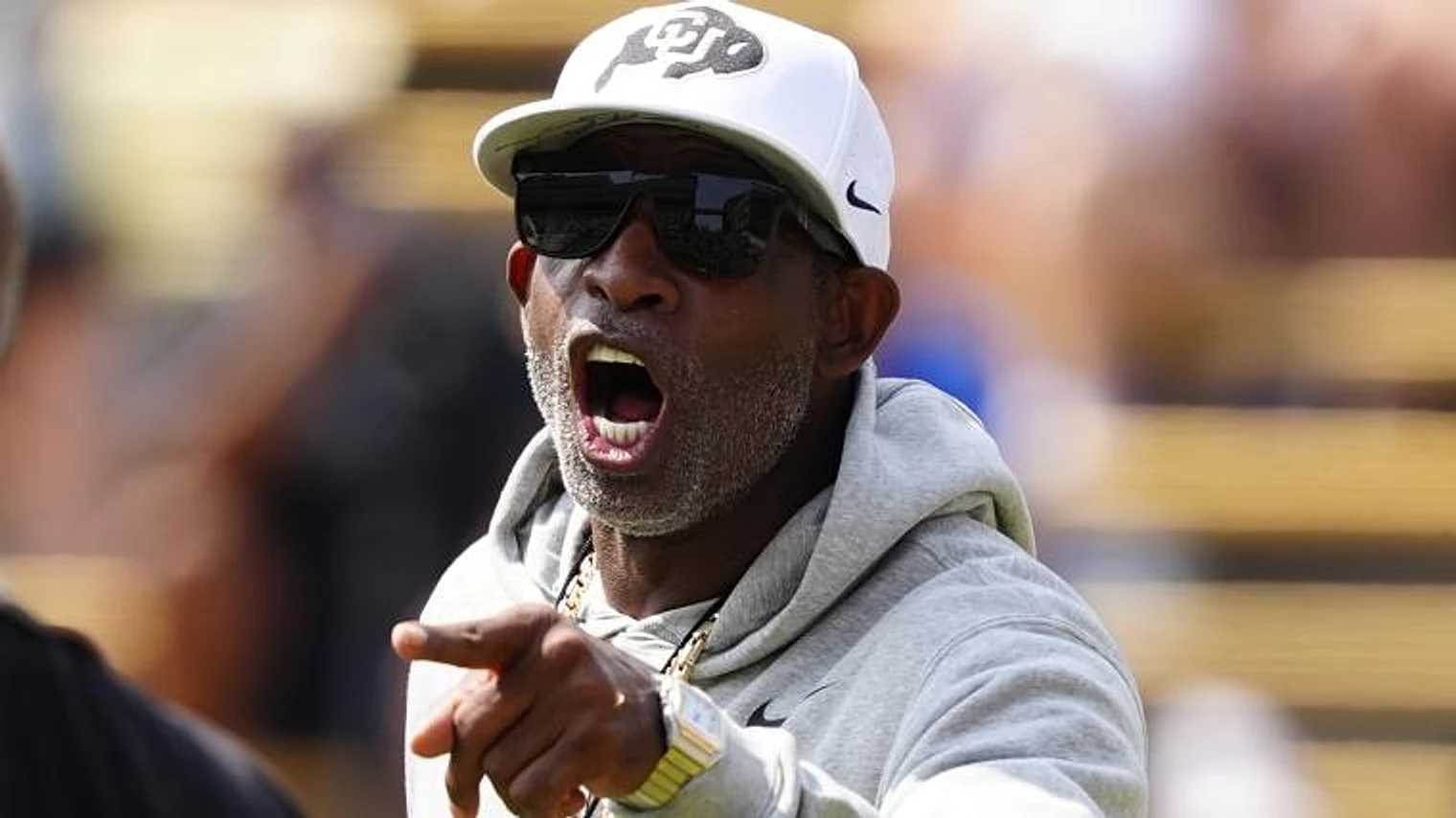
When Deion Sanders first arrived in Boulder back in December 2022, the buzz was electric. Everyone bought into the "Prime Effect," believing the Hall of Famer would transform Colorado football overnight. Fast forward three and a half seasons, and the Buffs are still searching for their first conference championship under his watch. With a 16-21 record, Coach Prime has cycled through coaches and turned over rosters each year, all while the program struggles to find its footing.
The latest headline? A former Colorado player revealed that Sanders has implemented a new policy limiting alumni interactions—a move that signals Coach Prime is tightening the reins as he prepares for the 2026 season. But the challenges don't stop there.
Despite early optimism, Sanders' Midas touch hasn't translated into sustained success. The transfer portal, once seen as Colorado's golden ticket, hasn't delivered as expected. Top-tier talent is increasingly choosing other programs, leaving the Buffs to scramble when injuries hit. Meanwhile, the team's projected $27 million deficit for the 2026 fiscal year raises serious questions—especially given that Sanders' salary has nearly doubled to $10 million annually, and the program is spending $20.5 million on student-athlete revenue sharing.
Operating expenses for football alone—travel, lodging, meals for players and the band—add up fast. And despite a winning season in 2024, ticket revenue has dropped 23% from 2023 to 2025. Last year's 3-9 record has analysts projecting just four wins this season. To make matters worse, former five-star recruit Jordan Seaton chose LSU over Colorado, and the Buffs rank 15th out of 16 in the Big 12 for recruiting, per 247Sports.
Perhaps most concerning? In-state talent is increasingly leaving Colorado to play elsewhere. Critics point to Sanders' preference for the transfer portal over high school recruiting as a key factor. As the 2026 season approaches, the pressure is on for Coach Prime to prove that the "Prime Effect" is more than just a marketing slogan—and that his new approach to alumni relations is a step toward building a winning culture, not isolating it.