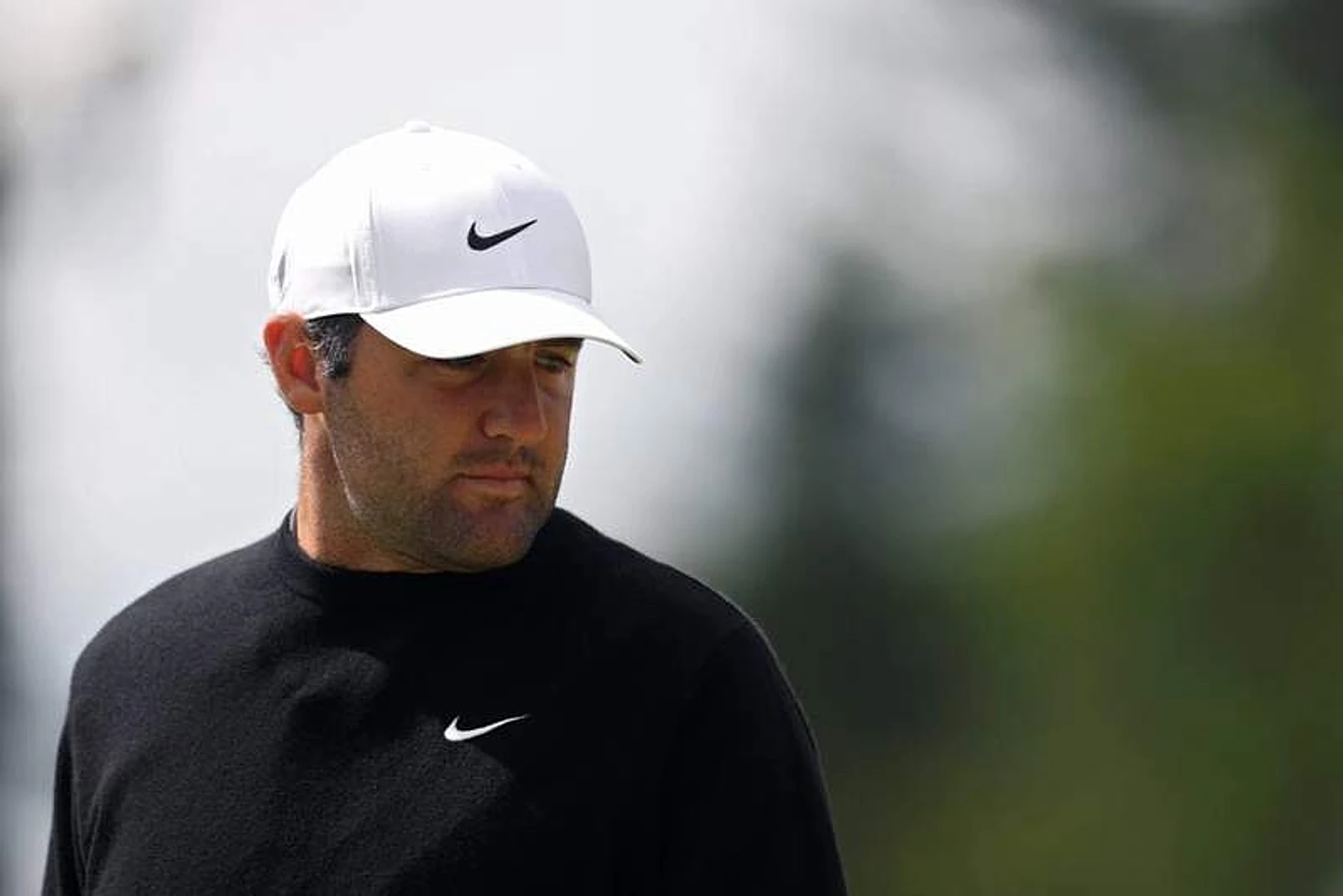
Day two of the PGA Championship at Aronimink Golf Club has laid bare a troubling issue that golf can no longer afford to ignore. What was expected to be a showcase of skill and resilience has instead turned into a grueling marathon, with players—including world number one Scottie Scheffler—struggling against gusting winds and punishing rough. While a tough test is part of what makes a major championship special, the pace of play has become an undeniable problem.
The morning rounds were so slow that Scheffler's group took over five hours to complete 18 holes. That's simply unacceptable at any level of the game. Justin Thomas, Keegan Bradley, and Cameron Young were put on the clock for their slow pace, but their defense was telling: they argued they weren't far behind the group ahead. That's not an excuse—it's an indictment of how sluggish the entire field had become.
Let's be clear: no amateur golfer would get away with a six-hour round without facing serious frustration from the clubhouse. So why are the world's best players allowed to creep along at a snail's pace, especially in a major championship? Slow play frustrates everyone except the players themselves, and it's time for golf to take action.
First, officials need to consistently apply stroke penalties. Warnings and fines mean little to top earners. It's time to grow a spine and penalize players who disrespect the pace of the game. Second, a shot clock should be implemented—give players 90 seconds per shot, one warning, then a stroke penalty. This rule must apply to every player, every time.
Golf is a game of precision and patience, but it shouldn't test the patience of fans. If the sport wants to grow and keep viewers engaged, fixing slow play isn't just an option—it's an urgent necessity.