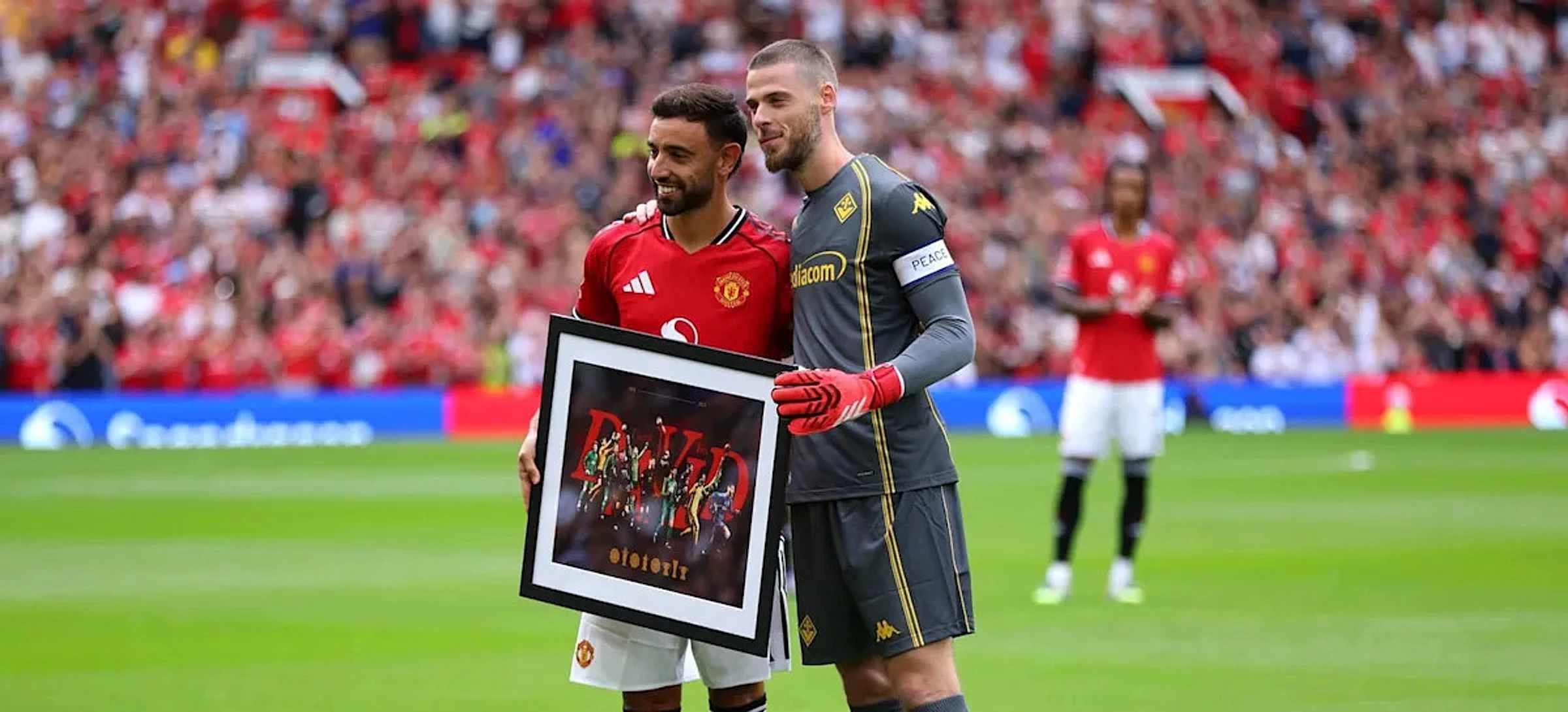
David de Gea may be gone, but he's far from forgotten at Old Trafford. The Spanish shot-stopper, who spent over a decade as Manchester United's last line of defense, recently opened up about the possibility of a return to the club that made him a household name.
It's been a whirlwind few years for United's goalkeeping department. De Gea's contract expired in the summer of 2023, ending a 12-year stint that saw him become a club legend. In came Andre Onana from Inter Milan, fresh off a Champions League final appearance and tipped to be the catalyst for Erik ten Hag's resurgence. But things didn't go as planned. Onana's time at the Theatre of Dreams was plagued by high-profile errors, conceding 150 goals in 102 appearances and dividing fan opinion.
Last summer, United finally pulled the plug, signing Belgian custodian Senne Lammens while loaning Onana to Trabzonspor. And what a revelation Lammens has been. He's looked every bit the worthy successor to De Gea, bringing stability back to a position that had become a headache.
Meanwhile, De Gea took a one-year sabbatical after leaving United before resurfacing at Fiorentina. And he's been rolling back the years. With 11 clean sheets already this season, the 35-year-old has rediscovered the form that made him a four-time Sir Matt Busby Player of the Year winner—a club record. It's a reminder of the days when he was a one-man army, single-handedly denying opponents during United's post-Ferguson struggles.
De Gea's journey at United began in 2011 as the successor to Edwin van der Sar. After a shaky start, he became the backbone of the team, winning the Premier League under Sir Alex Ferguson and enduring a series of managerial changes with unwavering resilience. But signs of regression in his later years led to that controversial departure under Ten Hag.
Now, with Lammens flourishing and De Gea thriving in Italy, the question lingers: could a return ever be on the cards? For a club that values its legends, the door may never be fully closed. But for now, both sides seem to have found their groove—one in Florence, the other in Manchester.