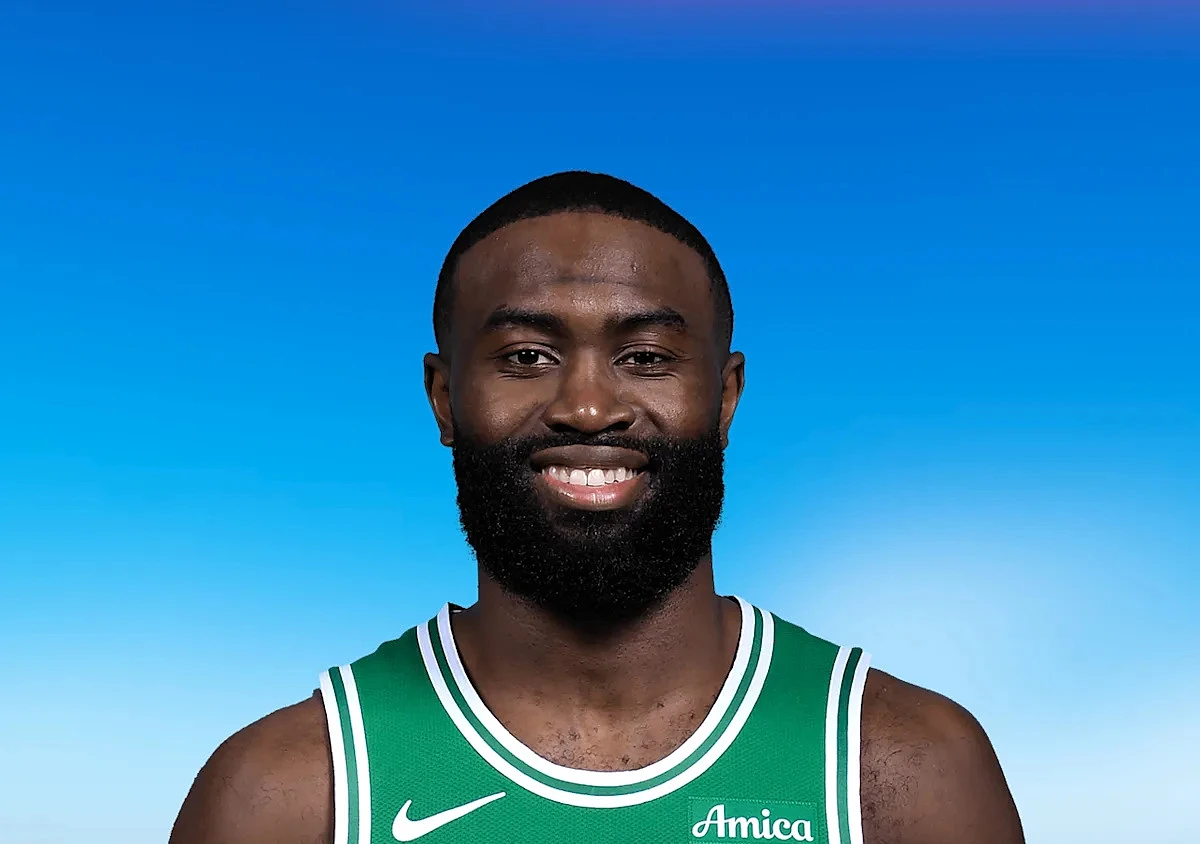
When Jaylen Brown was just 19 years old and fresh into the NBA, a casual interview with a beat writer took an unexpected turn. That writer happened to be from The Guardian, and the headline that followed—"Jaylen Brown says sports is a mechanism for control"—sent shockwaves through the basketball world.
The young Celtics rookie wasn't trying to stir controversy. He was thinking out loud, exploring the deeper dynamics of professional athletics. But the statement landed like a thunderclap. How could someone who just signed a life-changing contract, lifting his entire family out of hardship, criticize the very system that made it possible?
Brown recalls the moment vividly: "I got a lot of pushback, even from my organization. Danny Ainge came and talked to me like, 'What is this?'" The Celtics' president of basketball operations wasn't alone in his confusion. Fans, analysts, and even teammates questioned how a teenager who had just secured generational wealth could call sports a tool of control.
But here's where the story takes an unexpected turn. That controversial interview didn't just spark debate—it opened doors. Harvard University invited Brown to speak on the topic, making him the youngest lecturer in the school's history. He stood in front of students and faculty, unpacking the idea that sports, while offering opportunity, can also be a system that channels talent, energy, and ambition into a controlled framework.
For Brown, the pushback was a learning moment. It forced him to refine his thinking and defend his perspective. And for fans and athletes alike, it's a reminder that the game we love is never just about stats, wins, or jersey sales. It's a stage where identity, power, and purpose collide—sometimes in the most unexpected ways.