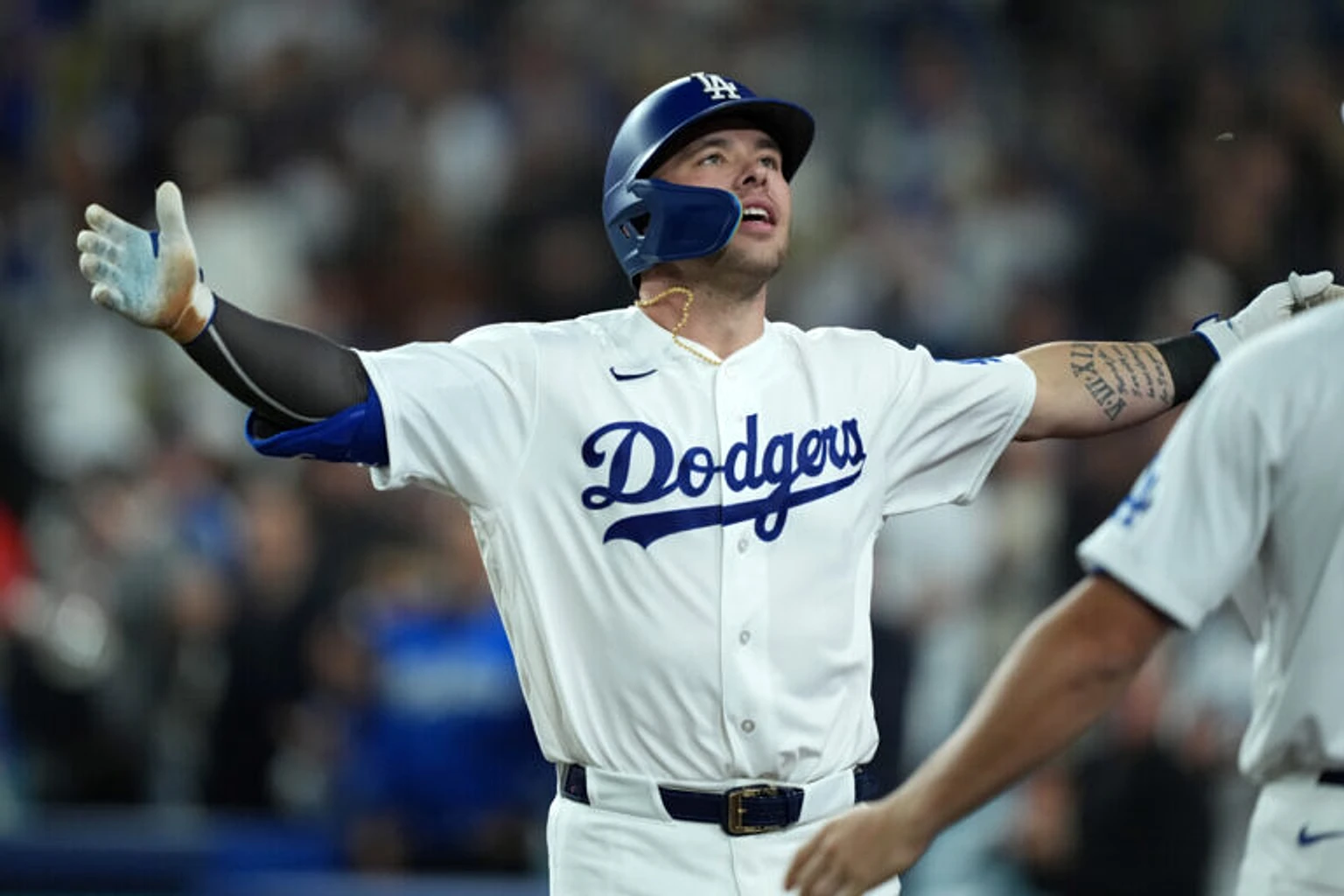
Los Angeles Dodgers catcher Dalton Rushing is taking a page out of the playbook that every great athlete knows: when the game gets loud, focus on what you can control. The 24-year-old backstop has been turning heads this season—not just for his impressive fill-in work behind the plate for superstars like Shohei Ohtani and Will Smith, but for a series of on-field moments that have sparked conversations across baseball.
Let's be clear: passion is part of the game. But when you're caught on camera in multiple heated exchanges, the narrative can shift quickly. Rushing has found himself in the spotlight for some controversial interactions, and now he's ready to rewrite that story.
Here's a quick look at the key moments that put Rushing in the headlines this April:
April 18: After a tough loss to the Colorado Rockies, Rushing raised eyebrows by hinting at possible sign-stealing, saying, "It's a little fishy." Manager Dave Roberts took a different view, chalking it up to "bad pitches" instead.
April 21: In a collision at home plate with the Giants' Jung Hoo Lee, Rushing made a hard tag to end the inning. As Lee stayed down, Rushing was caught on mic saying an expletive about the opposing team to his teammates in the dugout.
April 23: Giants pitcher Logan Webb plunked Rushing with a fastball. Rushing responded with an aggressive slide into second base. Both players later downplayed the tension.
April 26: Against the Cubs, Rushing failed to throw out Miguel Amaya on a steal. After Amaya was called safe, Rushing appeared to call him a "fat f—," a comment that Cubs infielder Nico Hoerner later confirmed.
April 28: In a frustrating sequence, Rushing called for timeout—twice—but was still hit with a pitch-clock violation, resulting in a strikeout. Roberts backed his catcher, saying the umpire simply didn't hear the call.
April 29: The next day, Rushing was caught exaggerating his timeout call to the umpire, an apparent jab at the previous game's call.
After this whirlwind stretch, Roberts sat down with his young star for a heart-to-heart. The message? Channel that fire, but keep the focus on the game—not the noise.
"He's bringing stuff onto himself he doesn't need to," Roberts told the California Post, acknowledging both Rushing's competitive edge and the need for growth.
Now, Rushing is ready to turn the page. He's talking about building a "positive platform"—one that lets his glove and bat do the talking. For a player with his talent and drive, that shift could be the difference between being known for controversy or being remembered as a champion. And for Dodgers fans, that's exactly the kind of comeback they want to see.