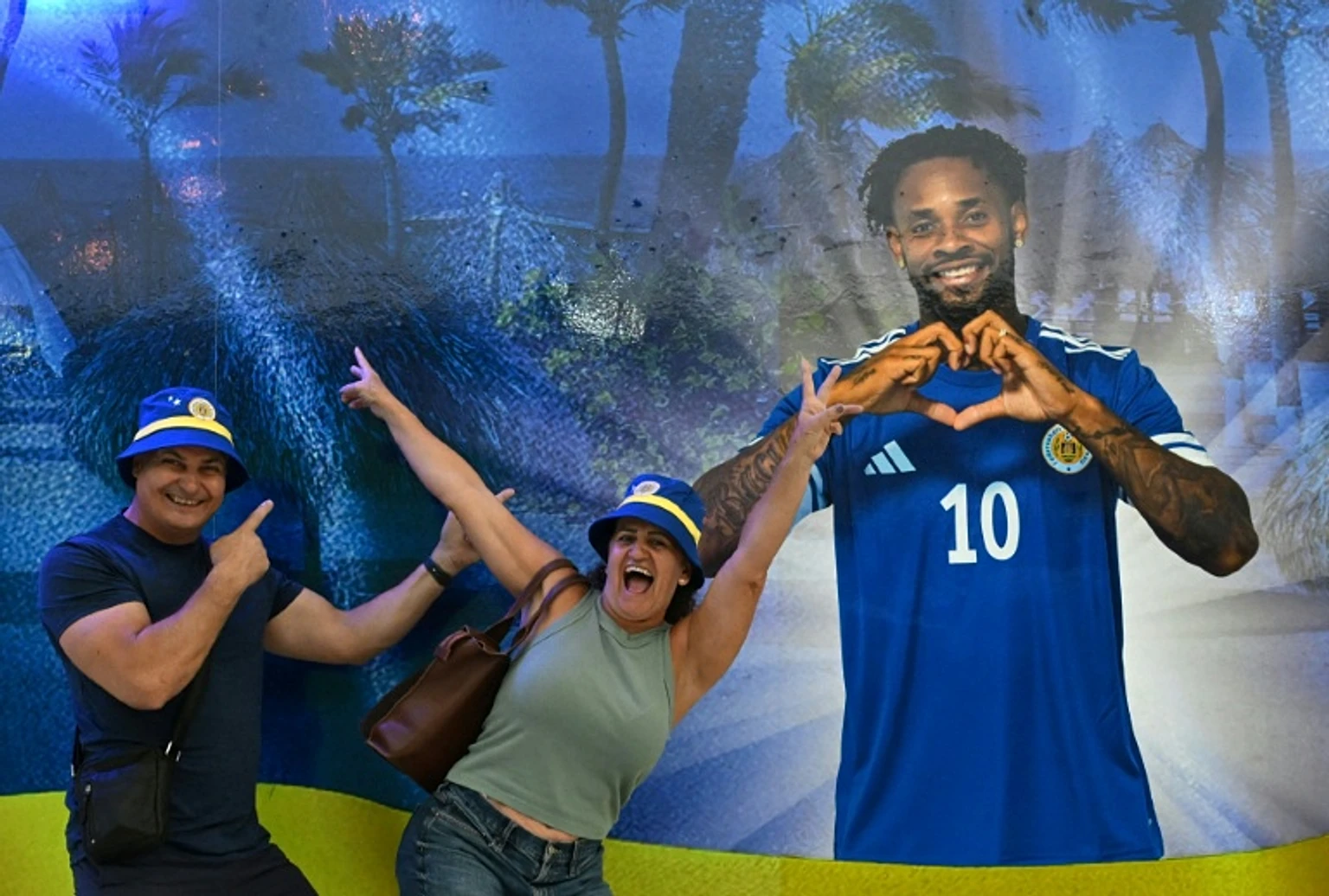
"Small island, big dreams." That's the rallying cry for the football team of Curaçao, a Caribbean island now etched into World Cup history. With a population of just 160,000, they've become the smallest nation ever to qualify for football's biggest stage, a testament to ambition that defies geography.
Since securing their historic spot with a gritty 0-0 draw against Jamaica last November, the island has been swept up in the "Blue Wave." This achievement is about more than football; it's a national moment of pride that's already translating into a tangible boost. Prime Minister Gilmar Pisas, a former footballer himself, notes that the sport is putting Curaçao on the global map, with tourism—already up 13% this year—poised for a significant influx.
But the story behind the glory is one of grit and community. Far from the island's famous sapphire waters and luxury resorts, the game's heart beats on the dirt pitches of neighborhoods like Fuik. Here, foundations run by figures like former manager Remko Bicentini provide crucial support, offering not just football training but hope and meals for young players from underprivileged backgrounds. Their message, emblazoned in the local Papiamento language, is powerful: "You are responsible for your future."
For local talents like Neveron Alberto, the dream of wearing the national jersey is alive, yet the path is challenging. The current World Cup squad largely comprises players from the island's formidable Dutch-based diaspora, a strategic pipeline that has fueled this historic run. It's a blend of homegrown passion and overseas polish that has created a team capable of dreaming the biggest dream of all.