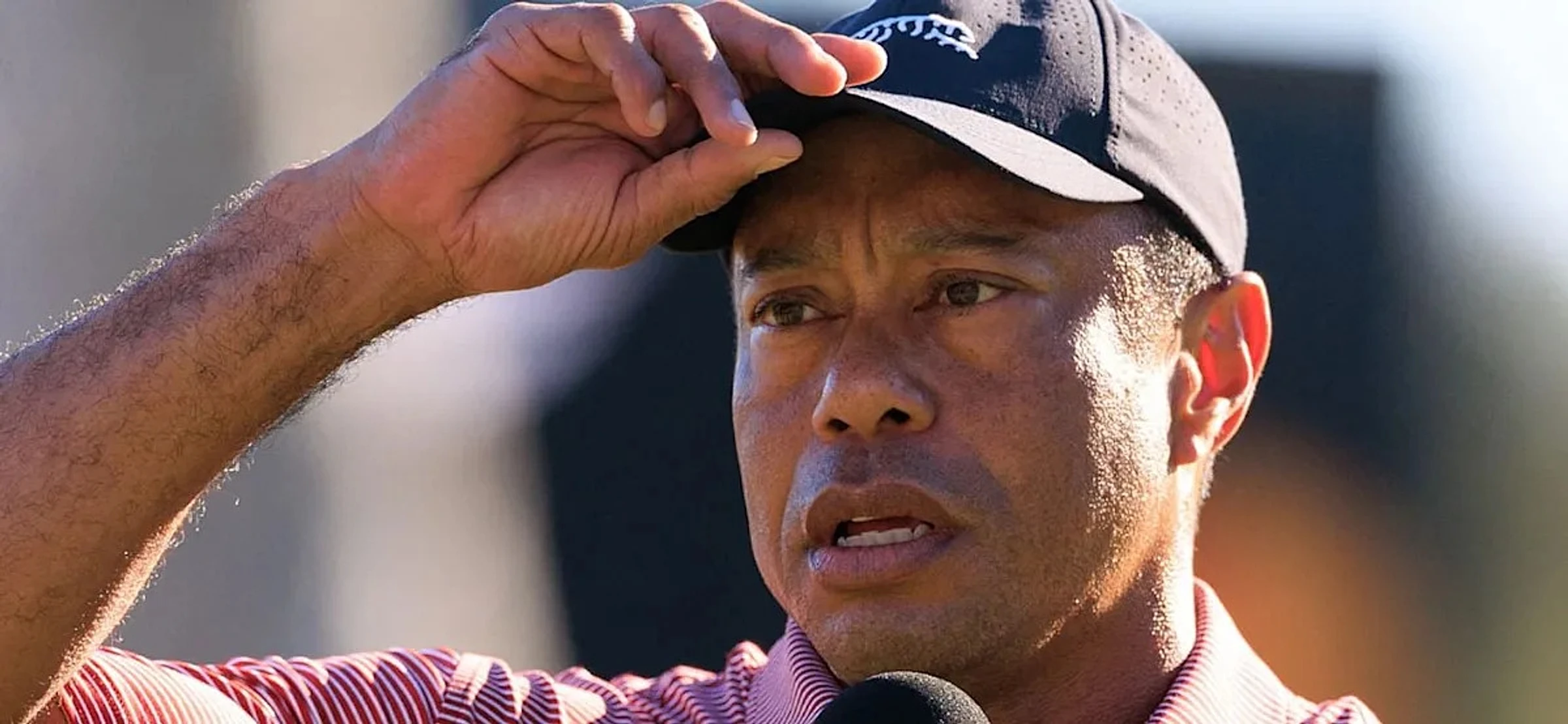
When a legend falls, the world watches. And right now, critics are demanding that Tiger Woods face the full force of the law after his latest DUI arrest—no more second chances, no more leniency.
On Friday, March 27, Woods was arrested near his home on Jupiter Island, Florida, following a car crash. He was taken into custody on suspicion of driving under the influence, along with charges related to property damage and refusing to submit to a lawful test. While the golf icon has since entered rehabilitation and is out on bond, the legal process is far from over—and the public is speaking up.
As the case moves through the courts, several Floridians have written stern letters to the presiding judge, urging the court to "throw the book" at the 15-time major champion. Their concern? A long history of legal troubles that, in their eyes, has never resulted in real accountability.
One letter, penned by the owner of a prison consulting company, called Woods' legal track record "alarming." The writer argued that without a harsh sentence, the pattern of risky behavior could continue—with potentially deadly consequences. "The purpose of sentencing is also deterrence, public safety, accountability, and prevention before someone is killed," the letter read. "This may be one of the last opportunities to stop this pattern before an innocent person is seriously injured or killed on a public roadway."
Beyond public safety, the critics are also calling for justice that transcends celebrity status. "This case gives Martin County an opportunity to show the public that justice is not controlled by celebrity status, wealth, political friendships, or public-relations pressure," the letter continued.
To underscore their point, observers have noted Woods' connections to powerful political figures, including Donald Trump, who publicly supported the golfer after the crash. For many, this raises questions about whether fame will once again soften the blow.
As the golf world watches and waits, one thing is clear: the debate over accountability, privilege, and second chances is far from over. And for a sport that prides itself on integrity, the outcome of this case could send a powerful message—both on and off the course.