The Houston Astros' pitching depth is being put to the test early this season. In a remarkable turn of events, the team is set to use its ninth different starting pitcher in just 21 games, a clear sign of the injury and performance woes plaguing their rotation. This heavy reliance on a carousel of starters has placed an immense burden on the bullpen, which leads all of baseball in multi-inning relief appearances.
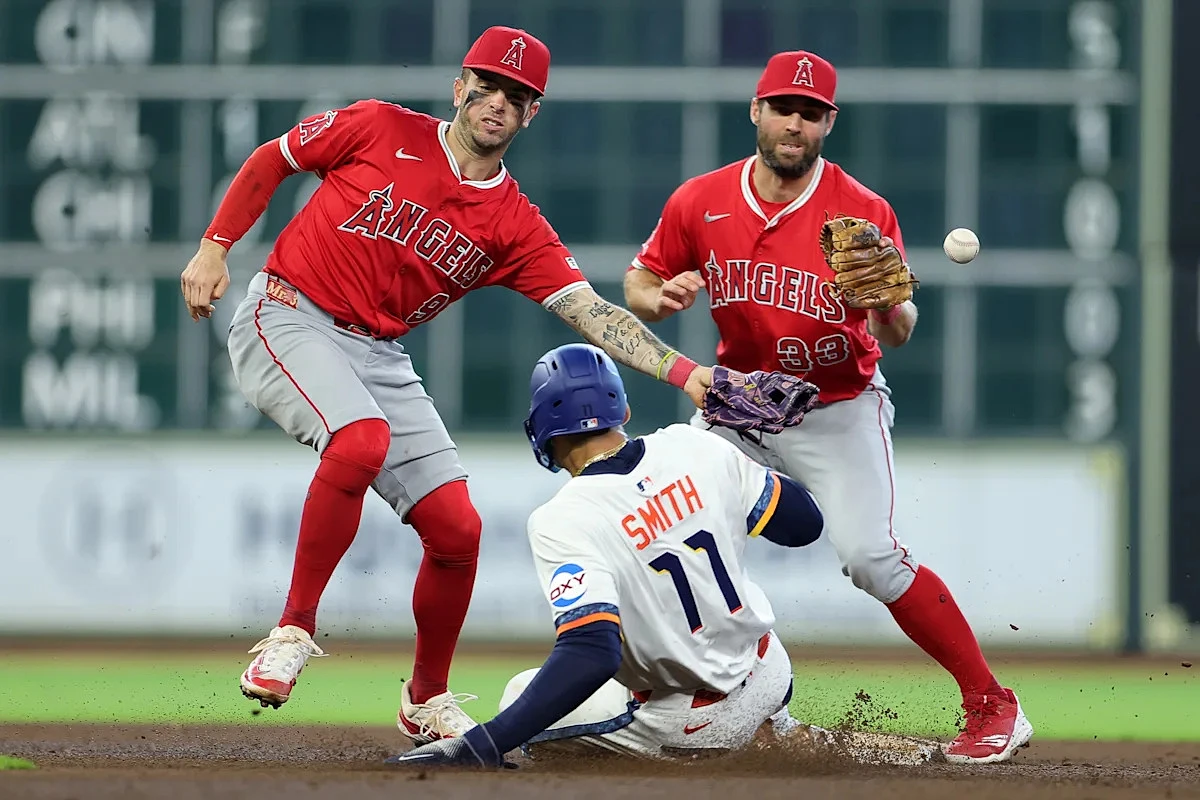
Amid this on-field scramble, a crucial off-field question looms: are the Astros missing their window to extend young star Cam Smith? With his value likely climbing, the clock is ticking on a potential long-term deal, a situation becoming increasingly common across the league.
This trend of locking up young talent is part of a larger shift in MLB strategy. Teams are now aggressively signing prospects to record-breaking extensions earlier than ever, viewing it as "smart business" in a competitive landscape increasingly defined by teams like the Dodgers securing their future stars.
On the field, a subtle but significant change is affecting pitchers everywhere, including in Houston. The introduction of the Automated Ball-Strike system (ABS) has come with a notably smaller strike zone. The result? A league-wide walk rate flirting with its highest mark since 1950, forcing pitchers to make major adjustments to their approach.
This new environment also changes in-game strategy. The Astros felt this acutely in a recent loss, where losing both of their manager's challenges early allowed opposing pitchers to expand the zone later in the game without recourse, a tactical disadvantage that proved costly.
As the season unfolds, these early storylines—from the Astros' pitching carousel and contract dilemmas to league-wide trends in player extensions and rule adaptations—are defining the opening chapters of the MLB year, full of surprises and disappointments that are keeping every team on its toes.