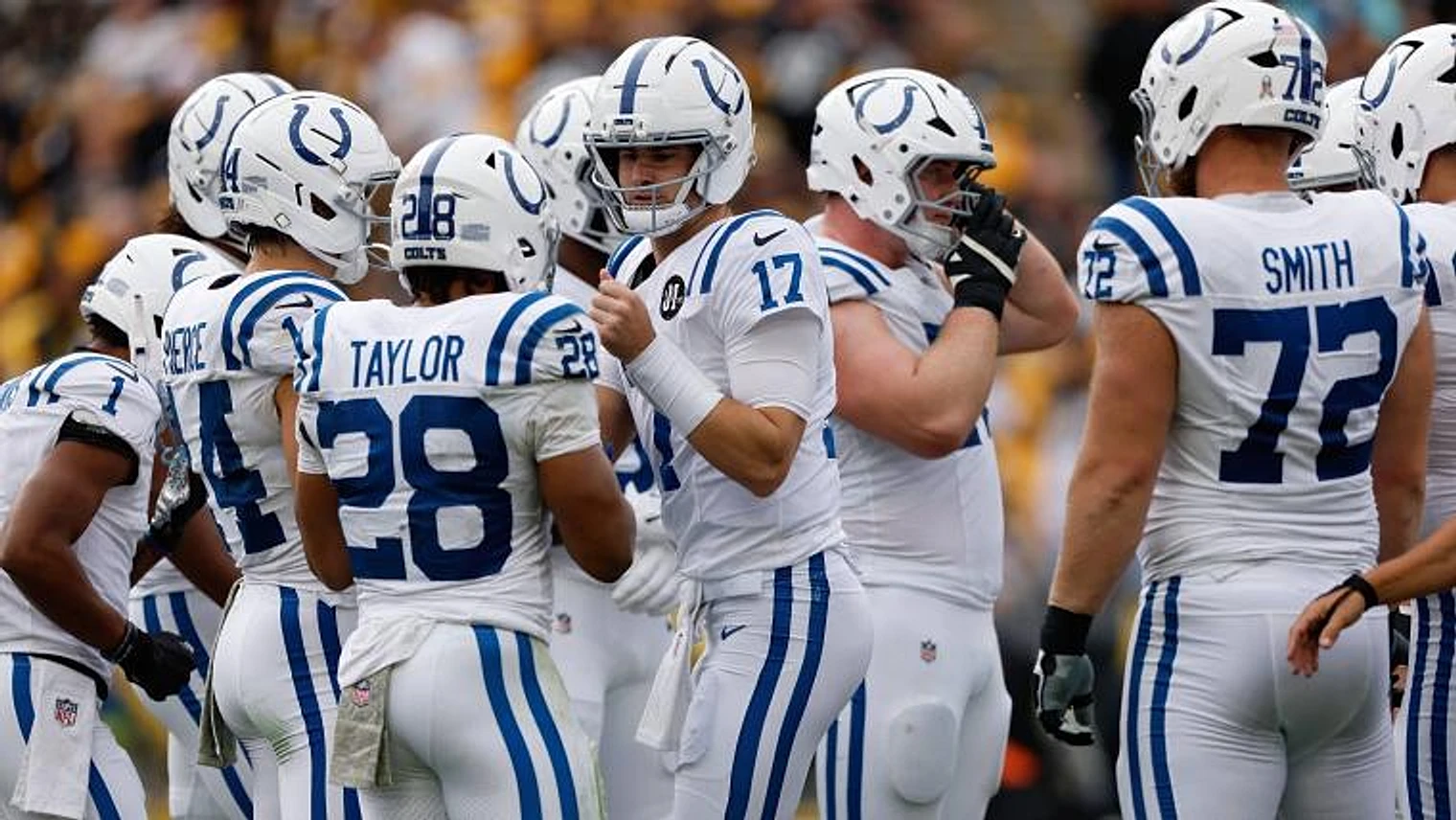
The Indianapolis Colts faced a franchise-altering decision this offseason: what to do with quarterback Daniel Jones. After a promising 2025-26 campaign was cut short by a devastating Achilles tear in December, the Colts had to weigh his potential against his injury history and past inconsistencies.
In a move that shocked many, the team doubled down, signing Jones to a historic two-year, $88 million contract with $60 million guaranteed—the largest two-year deal in NFL history. This aggressive commitment has not been universally praised. Bleacher Report's Gary Davenport recently labeled it the single worst signing of the 2026 offseason.
Davenport acknowledged the Colts' difficult position. Before his injury, Jones was playing the best football of his seven-year career, setting personal bests in completion percentage and passer rating. However, the analyst questions the wisdom of such a massive financial gamble on a quarterback coming off a severe injury and with a checkered past from his time with the New York Giants.
The core of the criticism hinges on risk. While Jones showed improved decision-making and ball security last season, the Colts are betting $88 million that he can not only return to full health by Week 1 but also sustain that high level of play. Davenport suggests a more cautious approach, like letting Jones play the 2026 season under the transition tag, might have been the wiser path.
For Colts fans and NFL observers, this contract is a high-stakes roll of the dice. It could secure the team's quarterback future if Jones returns to form, but it also has the potential to become a monumental financial misstep that sets the franchise back. The pressure is now on Jones to prove his doubters wrong and justify the Colts' monumental faith—and investment.