The landscape of college football has been fundamentally reshaped by NIL (Name, Image, and Likeness) deals, creating a fascinating new dynamic for athletes transitioning to the pros. For the first time, some top rookies are actually taking a pay cut to enter the NFL draft, a scenario that was unthinkable just a few years ago.
This financial shift is forcing NFL front offices to reevaluate their draft strategies. Philadelphia Eagles General Manager Howie Roseman recently highlighted this new reality, emphasizing that a player's intrinsic love for the game is now more critical than ever. "The biggest issue is that, for the first time in the history of the National Football League, you're taking players who are taking pay cuts," Roseman stated. "So the character of those players, their passion and love of the game, comes to the forefront even more."
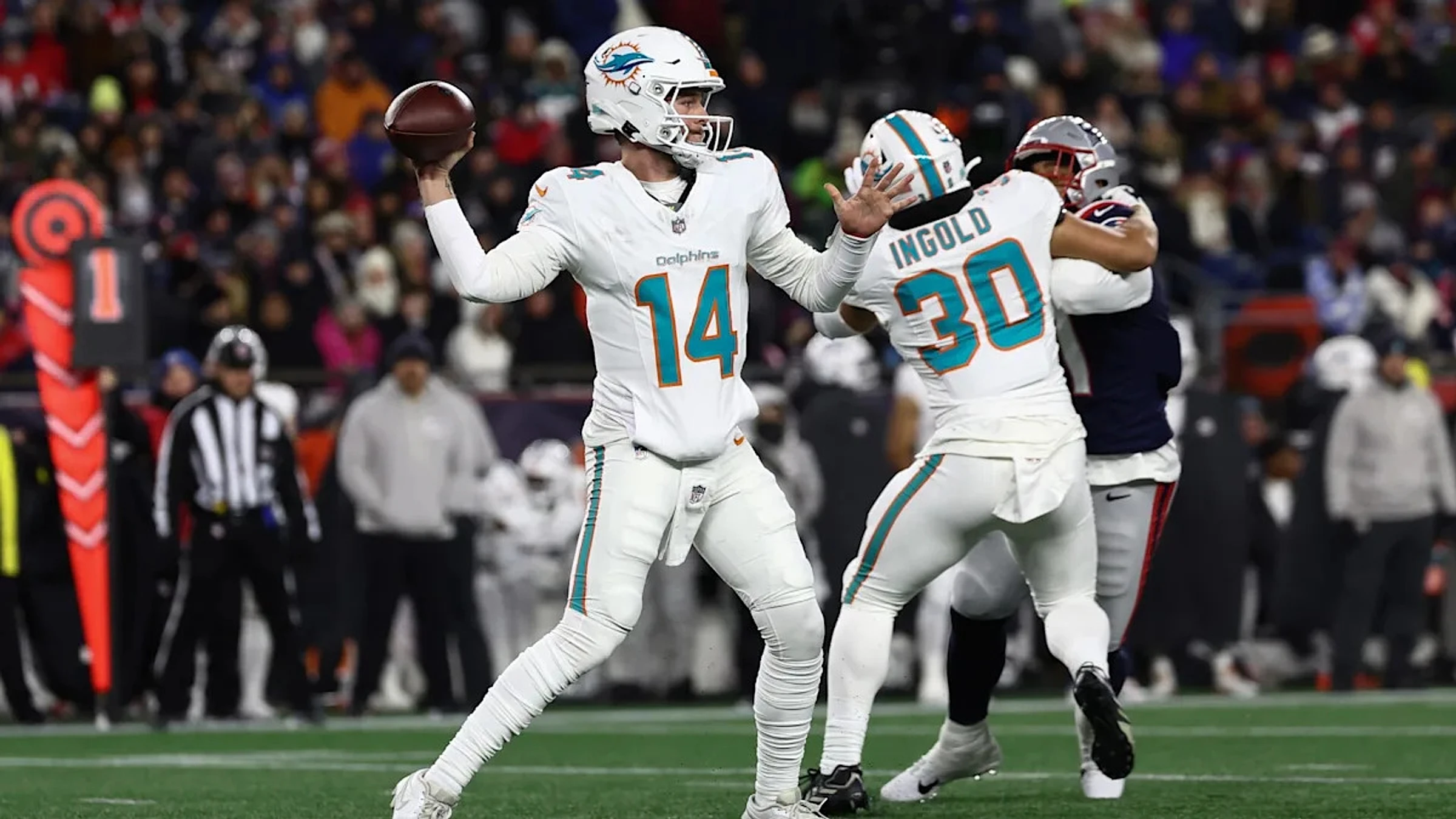
The case of Miami Dolphins quarterback Quinn Ewers perfectly illustrates this trend. Reports indicate Ewers turned down NIL opportunities worth up to $8 million to stay in college before declaring for the draft. As a seventh-round selection, his rookie contract was valued at $4.3 million over four years—a significant drop from his potential college earnings.
As NIL continues to grow, this phenomenon will only become more common. NFL teams are now tasked with identifying prospects whose motivation extends far beyond the initial paycheck, ensuring they draft athletes committed to grinding and improving, even when the immediate financial reward might be less than what they left behind on campus.