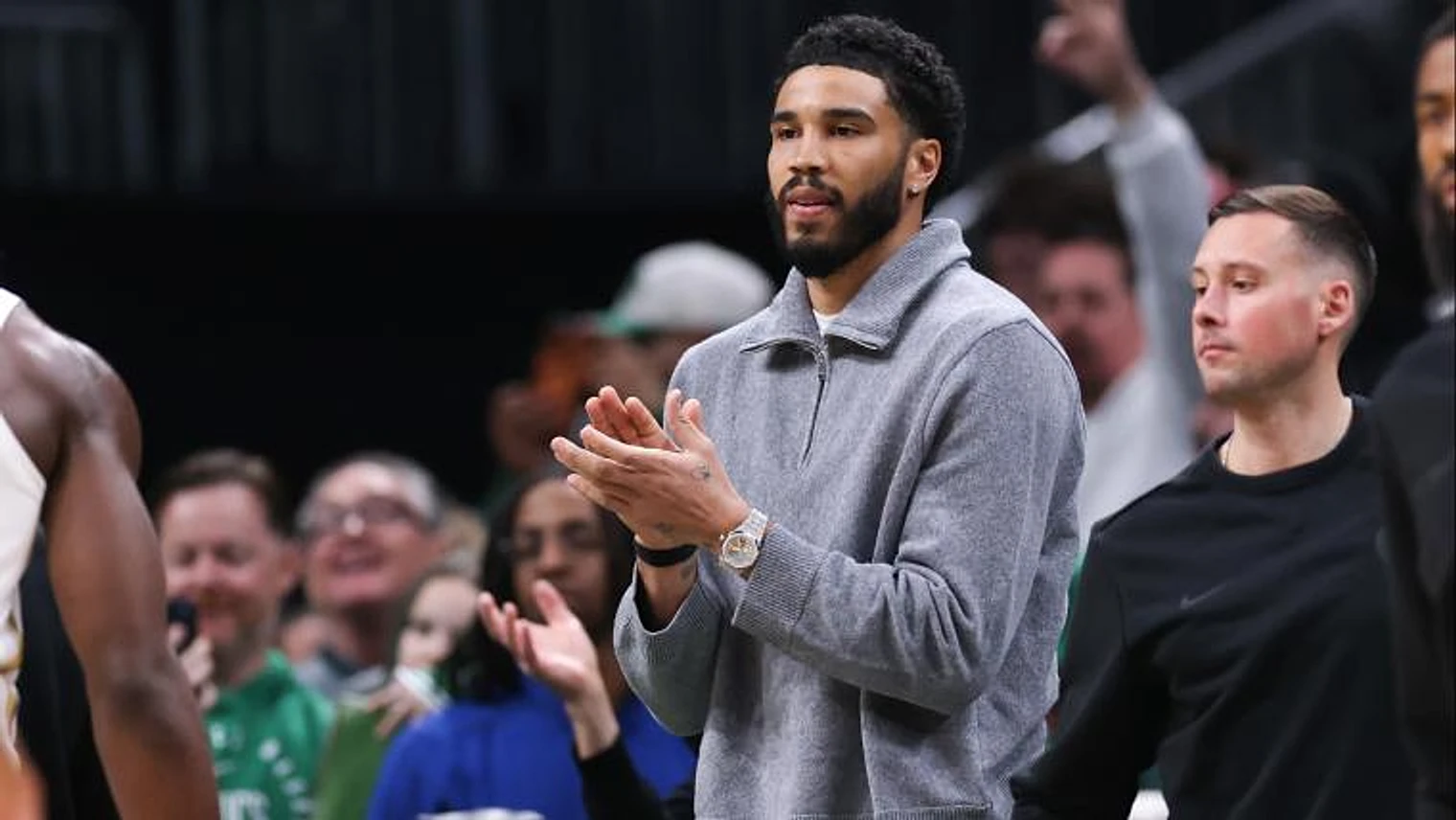
The Boston Celtics' 2025-26 season came to a heartbreaking end in the first round of the playoffs, falling to the Philadelphia 76ers in a decisive Game 7. For star forward Jayson Tatum, the loss carried an extra layer of pain—he watched from the sideline, sidelined by a knee injury that derailed what had been an inspiring comeback from an Achilles tear.
Tatum had pushed himself through an arduous rehabilitation to return to the court, hoping to lead the Celtics on a deep postseason run. But when it mattered most, his body wouldn't cooperate. The timing couldn't have been crueler, and the frustration was palpable as he reflected on the abrupt end to his season.
"My recovery and comeback [from the Achilles injury] were going so well that how it ended, I didn't think it was going to end that way. It was just unfortunate," Tatum told ESPN. "I worked really, really, really, really hard to come back in the fashion that I did and play at the level I was playing at. So for it to end the way it did was a tough pill to swallow."
The All-Star forward didn't mince words about the emotional toll of watching his teammates battle without him. "It was tough, obviously, working as hard as I did to come back and to be available and for it to come to a Game 7, not be able to be out there. I just keep saying this was unfortunate and it's tough to deal with, but it's a plan that we have to stick to."
For Celtics fans and anyone who appreciates the grit of professional athletes, Tatum's honesty is a stark reminder of the fine line between triumph and disappointment in sports. His dedication to recovery—and the raw emotion of falling short—echoes the resilience that defines champions, even in defeat. As the offseason begins, all eyes will be on Tatum's next steps, knowing that setbacks like these often fuel the greatest comebacks.