Scottish football is a tapestry woven with legendary triumphs and stark financial warnings. From the dizzying heights of Celtic's 1967 European Cup win in Lisbon to the dramatic fall of giants like Rangers, the game's history is a powerful study in resilience and risk.
This narrative of peaks and valleys is often framed by financial instability. Historic clubs have repeatedly faced insolvency, administration, or liquidation, with cases like Third Lanark, Airdrieonians, and Rangers showing how mismanagement, over-reliance on benefactors, and structural weaknesses can reshape the landscape.
One of the earliest and most infamous collapses was Third Lanark. A major Glasgow force that finished third in the top division in 1961, the club was bankrupt by 1967 due to financial mismanagement and boardroom corruption. A government inquiry confirmed severe irregularities, making "The Hi-Hi" a lasting cautionary tale.
Ironically, 1967 is better remembered in Scottish football for Celtic's opposite trajectory. That same year, Jock Stein's "Lisbon Lions" captured the world's attention, defeating Inter Milan to become the first British club to win the European Cup—a stark contrast to the demise happening in their own city.
A generation later, Airdrieonians met a similar fate. Despite on-field success in the early 2000s, unsustainable debts forced liquidation in 2002. Their story took a controversial turn when a successor club, Airdrie United, acquired the league place of the also-struggling Clydebank, blurring the lines between a club's death and its rebirth and sparking debates about sporting integrity.
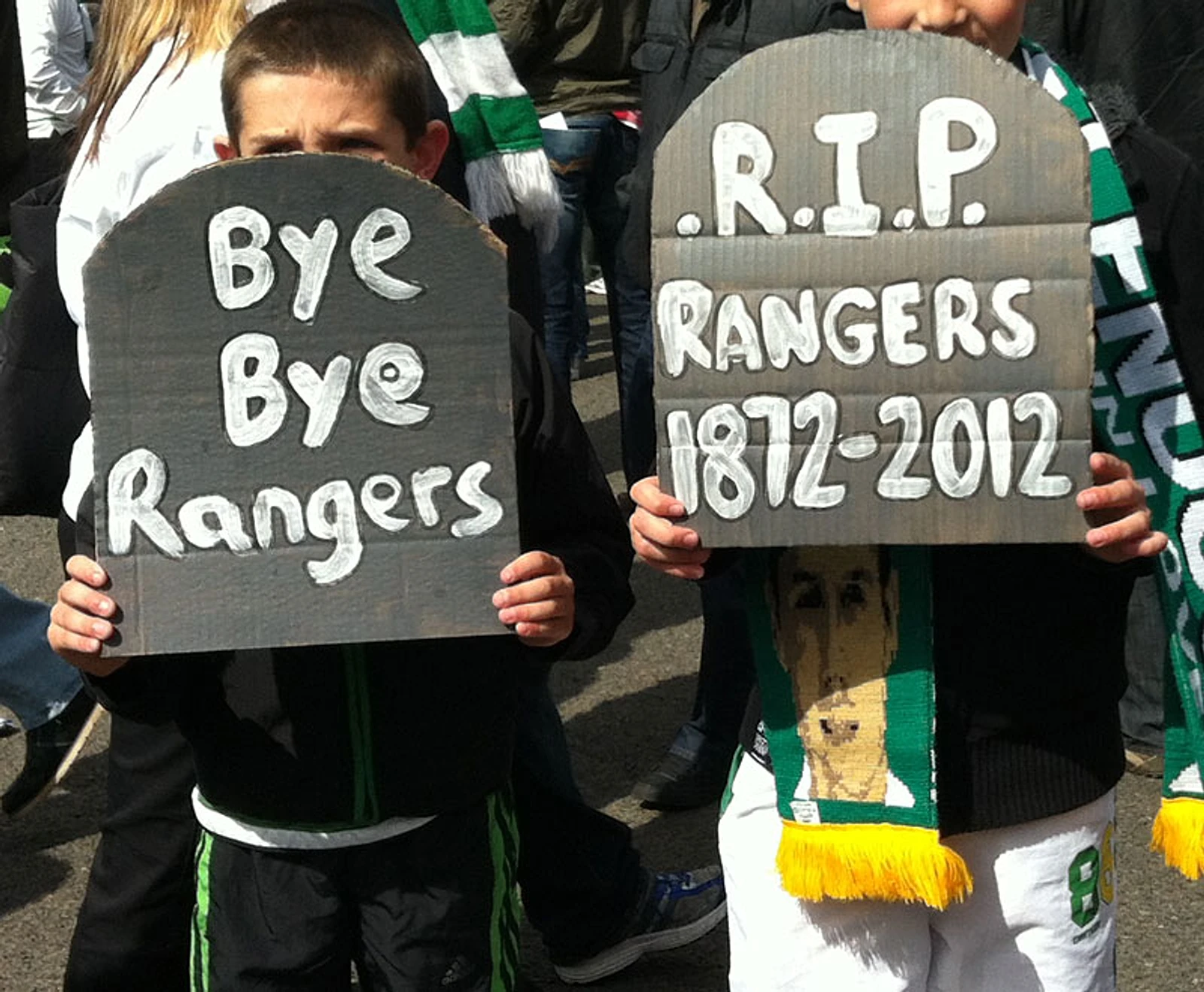
These stories of fallen clubs set the stage for the most seismic financial event in modern Scottish football: the 2012 liquidation of Rangers. The collapse of the Ibrox giant, following a catastrophic tax dispute, sent shockwaves through the sport, irrevocably altering the dynamics of the Scottish Premiership and serving as the ultimate modern reminder of football's fragile economics.